
5 cold-proof animals that freeze and restart life after winter
Cold-proof animals that freeze and restart life after winter
Cold weather changes everything. Life slows down, movement reduces, and survival becomes harder. While humans add layers and stay indoors, animals have their own ways of dealing with the cold. Most either move to warmer places or go into deep rest. But a few animals do something that sounds almost unreal. They freeze. And when the cold passes, they start moving again.
This ability is not loud or dramatic. It happens quietly in nature, away from attention. These animals simply wait out the cold in their own way. Scientists have been observing this for years, and it continues to surprise people because it shows how flexible life can be.
Here are five animals that are known to freeze and return to normal when the weather improves.
Disclaimer: The details in this article are based on online sources and ecological studies. Information may differ depending on species and region.
Images: Canva (for representative purposes only)
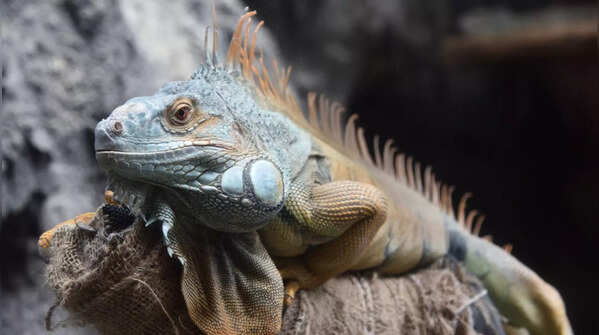
Iguana
Iguanas are usually seen in warm places, but when temperatures suddenly fall, their bodies react fast. If it drops below 40 degrees Fahrenheit, iguanas can freeze and stop moving. This does not mean they are gone. Once the weather warms up, they slowly wake up and continue as usual. Some iguanas are also known to live for many years.
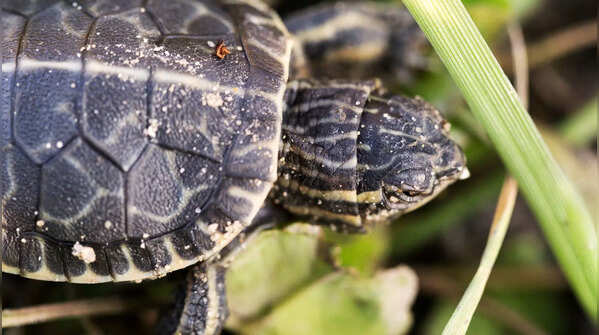
Painted Turtle Hatchlings
Adult painted turtles cannot survive freezing conditions, but their hatchlings can. These young turtles live in freshwater areas across Canada and the United States. Their bodies produce more glycerol and glucose, which help protect them from freezing. This natural protection helps them get through harsh cold during early life.
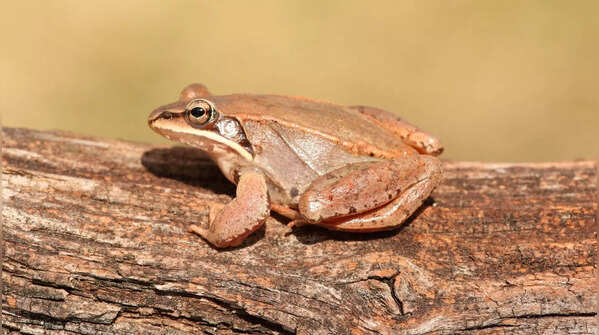
Wood Frog
The wood frog handles winter in a very unusual way. Its body freezes almost fully, including the brain and eyes. All body activity stops during this time. Special proteins help move water out of the frog’s cells, which protects them. When warmer weather returns, water flows back into the body and the frog becomes active again.
Darkling Beetle
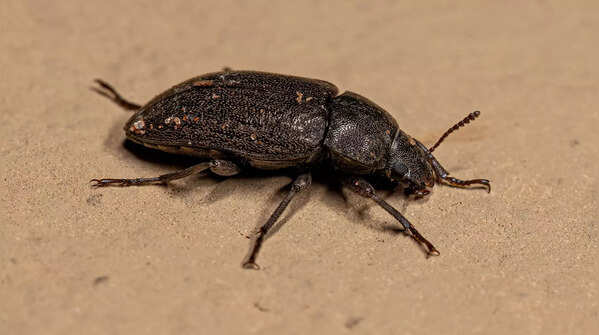
One type of darkling beetle found in Alaska can survive extremely low temperatures. This beetle freezes at around 19 degrees Fahrenheit. When it thaws, it starts walking again. It produces a sugar-based substance called xylomannan, which acts like antifreeze and protects its body in freezing conditions.
Alligator
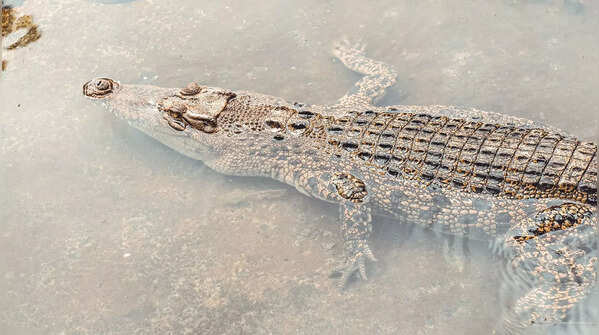
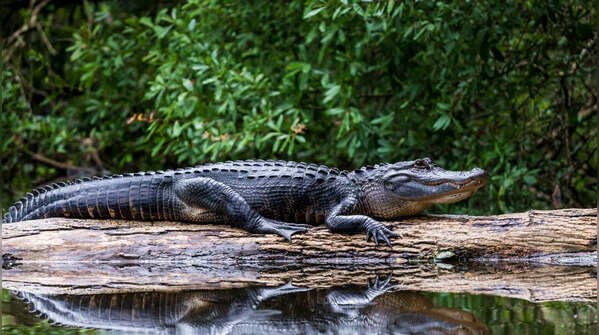
When winter sets in, the ponds and lakes where alligators live can freeze on the surface. To survive, alligators push just their snouts above the ice. This helps them breathe while their bodies remain still in the cold water below. They stay like this until the ice melts and temperatures rise.
Nature’s quiet survivors
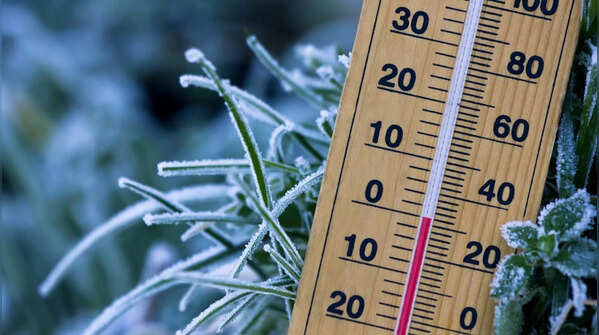
These animals show how clever life can be. Freezing during cold weather helps them stay safe and save energy. From alligators breathing through ice to beetles using natural antifreeze, each one has its own way to survive.
When the weather warms up, they wake up and continue with life as if nothing happened. It is a reminder that even in the harshest conditions, nature finds a way to survive and keep going.
Featured In etimes

