
10 iconic South Indian breakfast dishes you must try
10 iconic South Indian breakfast dishes you must try
South Indian breakfast is not just a meal; it is a morning ritual built on steam, spice, texture and memory. It can be crisp or soft, gentle or fiery, minimal or lavish, but it always arrives with a sense of purpose. Across Tamil Nadu, Kerala, Karnataka, Andhra Pradesh and Telangana, breakfast tables carry dishes that are deceptively simple and deeply satisfying. Some are temple-style and austere; others are indulgent and generous, but each one tells a story of local ingredients, patient technique and the kind of comfort that lingers long after the plate is empty.
Idli
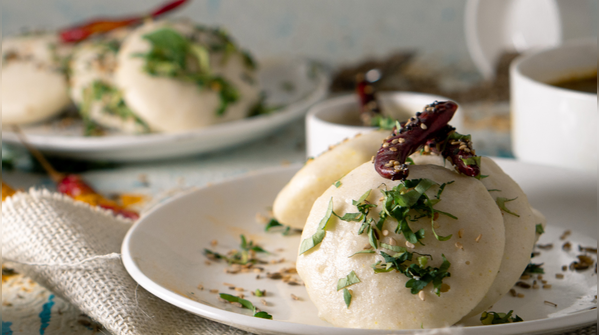
Few breakfasts are as iconic as idli. Soft, white and cloud-like, these steamed rice cakes have become the face of South Indian morning food for good reason. Made from fermented rice and urad dal batter, idlis are light on the stomach but full of character when paired with chutney and sambar. Their beauty lies in restraint: no excess oil, no heavy seasoning, just the quiet confidence of fermentation and steam.
Dosa
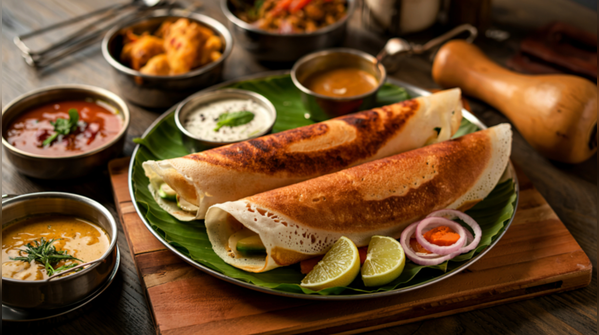
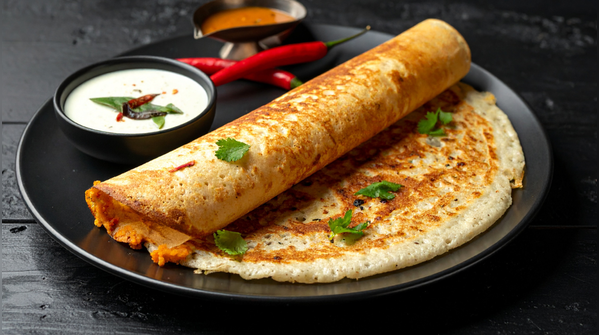
If idli is softness, dosa is contrast. Thin, golden and crisp at the edges, the dosa is one of the most celebrated breakfast dishes in India. It can be served plain, folded around a masala filling or stretched into the paper-thin rava dosa variety. The first crackle as it comes off the tawa is part of the pleasure. Eaten with coconut chutney and sambar, dosa delivers the kind of breakfast that feels both everyday and special.
Vada
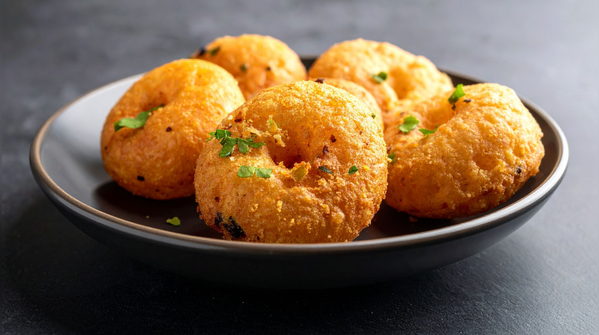
The South Indian vada is breakfast with a pulse. Made from urad dal and shaped into doughnut-like rounds, it is deep-fried until the outside turns bronzed and crisp while the inside stays airy and warm. Medu vada is the most familiar version, often served beside idli or dosa. Dunked into sambar, it soaks up flavour beautifully, making it one of those dishes that disappears quickly and leaves you wanting another.
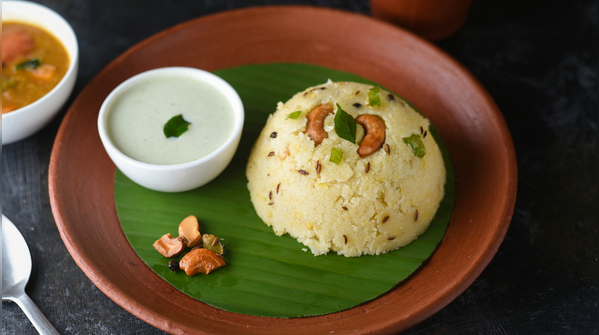
Pongal
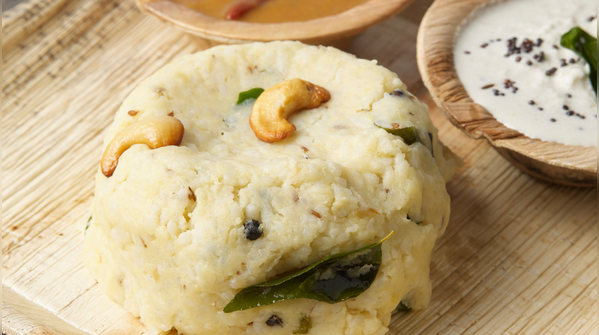
Pongal, especially the savory ven pongal, is one of the most comforting dishes in the South Indian breakfast repertoire. Rice and moong dal are cooked together until soft, then tempered with black pepper, cumin, curry leaves, ginger and ghee. The result is rich without feeling heavy, earthy without being dull. It is the kind of breakfast that feels especially right on a cool morning, when you want something warm, spoonable and deeply soothing.
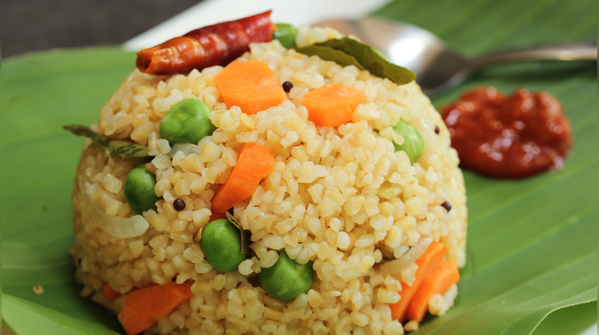
Upma
Upma may divide opinions at the dining table, but it remains a breakfast staple across homes and restaurants. Traditionally made with semolina, it is cooked with onions, green chillies, curry leaves and tempering spices, then finished with a splash of ghee and a handful of coriander. When done well, upma is fluffy rather than gluey, fragrant rather than bland. With coconut chutney on the side, it becomes a meal that is far more elegant than its humble reputation suggests.
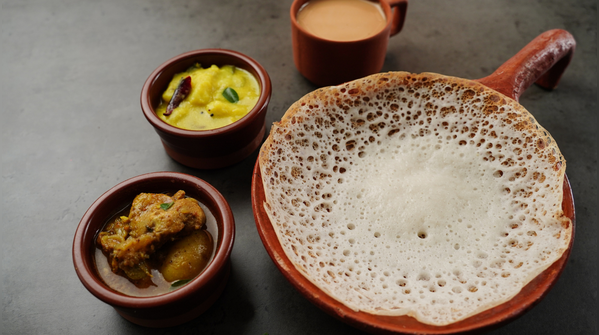
Appam
In Kerala and parts of Tamil Nadu, appam brings a different kind of breakfast poetry. This lacy rice pancake has crisp, frilled edges and a soft, almost spongy centre. Fermented coconut-infused batter gives it a gentle sweetness and a delicate tang. Appam is traditionally served with vegetable stew, egg curry or coconut-based gravies, and its appeal lies in the contrast between its airy centre and its caramelized rim.
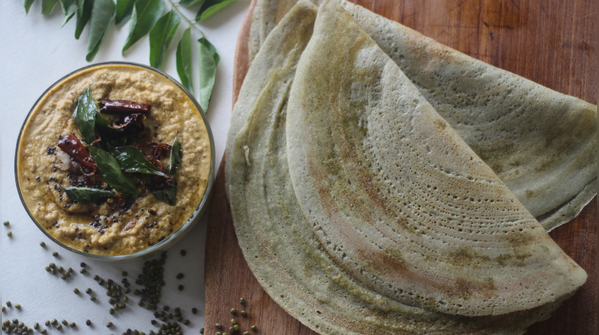
Pesarattu
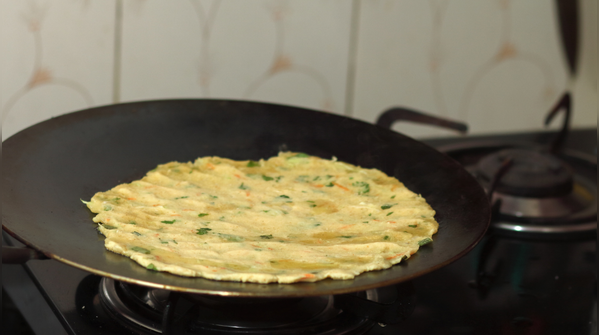
Andhra Pradesh contributes one of the region’s most distinctive breakfast dishes: pesarattu. Made from green gram batter, this thin crepe is earthy, protein-rich and pleasantly savoury.
What makes it stand out is its honesty as a dish. There is no excess, no unnecessary richness, just a clean, wholesome flavour that feels deeply rooted in everyday cooking. It satisfies without feeling heavy, which is perhaps why it has remained a staple across generations.
It is often served with ginger chutney, which cuts through its mellow flavour with a sharp, warming bite. Some versions come stuffed with upma, creating a combination that is both filling and highly addictive. Pesarattu has the unmistakable feel of a dish built for nourishment first and nostalgia second.
Uttapam
Uttapam turns the dosa idea inward. Thicker, softer and more substantial, it is often topped with onions, tomatoes, chillies, coriander or even grated vegetables. Where dosa is crisp and sweeping, uttapam is substantial and topped like a savoury pancake. It gives you the familiar tang of fermented batter but with more body and more chew. For anyone who wants the flavour of dosa with a more filling finish, uttapam is an easy favourite.
Cold coffee (16) copy
Featured In Food

