
8 Indian dishes that foreigners often misunderstand
8 Indian dishes that foreigners often misunderstand
The first mistake many people make with Indian food is assuming it all tastes the same: fiery, heavy, and impossibly complex. The second is treating familiar names as if they work exactly the way they do in Western kitchens. In reality, Indian dishes often carry a whole world of regional history, local habits, and emotional memory in just one plate. A dish can look simple and still be deeply layered. It can be spicy without being hot. It can be eaten as breakfast, snack, comfort food, or celebration food depending on where you are standing. Here are eight Indian dishes that are often misunderstood by foreigners, and why they deserve a second look.
Butter chicken is not the whole story
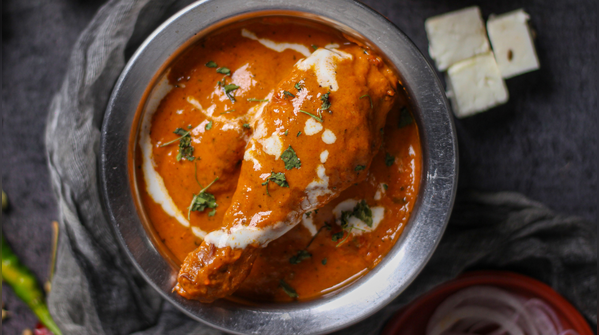
For many outsiders, butter chicken is the face of Indian food. It is rich, creamy, slightly sweet, and widely loved, which is exactly why it gets flattened into a stereotype. The misunderstanding is that Indian food is supposed to be all gravy and cream. Butter chicken is delicious, yes, but it is also one dish from one part of the country’s vast culinary map. It comes from a very specific North Indian restaurant tradition, not from everyday home cooking across India.
What gets missed is that Indian cuisine is far more varied than the global curry-house version suggests. A meal in Kerala, Bengal, Punjab, Tamil Nadu, or Kashmir can feel like a different culinary universe.
Curry is not one dish
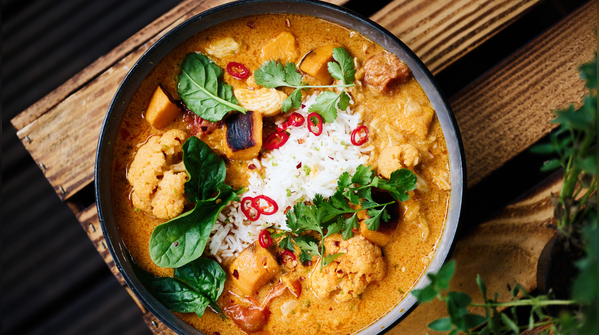
Ask a foreigner to name an Indian food and “curry” often comes first. But curry is not a single dish in the way pasta or soup is. In India, the word is often used loosely, while in the West it has been turned into a catch-all label for almost anything with sauce. That creates a major misunderstanding.
A fish curry from coastal Bengal does not resemble a rajma masala from Delhi or a dal from Gujarat. Some are watery, some are thick, some are tangy, some are earthy, and some are deliberately light. “Curry” is more a category of preparation than a recipe with one fixed identity.
Paneer is not just vegetarian cheese
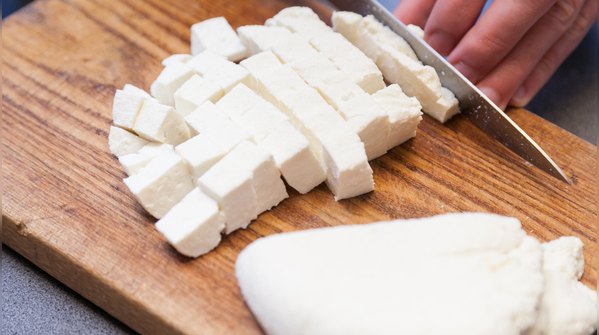
Paneer often surprises foreigners because it does not melt the way most cheeses do. Many expect it to behave like mozzarella or cheddar and are confused when it stays firm in dishes like paneer tikka, palak paneer, or paneer butter masala. But that is exactly its charm.
Paneer is a fresh, mild cheese made to hold shape under heat. In Indian cooking, that texture matters. It is not meant to ooze. It is meant to absorb spice, sit beautifully in gravy, and offer bite where meat might otherwise appear. Thinking of paneer as “just cheese” misses its role in Indian vegetarian cooking, where it often stands in for richness and protein.
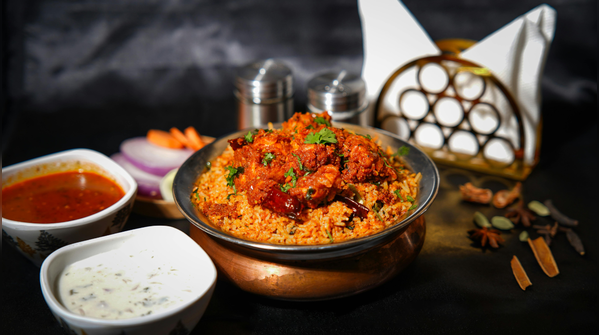
Biryani is not fried rice with spices
Few dishes suffer from misunderstanding more than biryani. Many foreigners imagine it as a mixed rice dish with meat and seasoning, something close to fried rice in a grand outfit. But biryani is a much more serious affair. It is layered, aromatic, and deeply regional. It demands patience, from marinating the meat to par-cooking the rice and sealing it all together for slow cooking. Each step builds flavour gradually, not instantly. The rice is usually cooked with intention, not tossed casually with leftovers.
Hyderabadi biryani, Lucknowi biryani, Kolkata biryani, and other versions each tell a different story. Some are robust and intense, others delicate and perfumed. The point is not simply “rice plus meat.” The point is balance, layering, and technique.
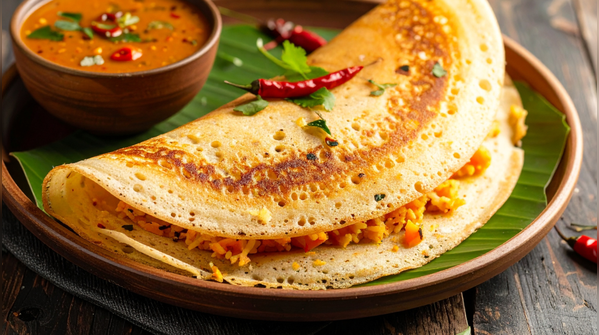
Dosa is not an Indian crepe
Dosa often gets described as a crepe, which is understandable but incomplete. It may be thin and crisp, but it is not a Western breakfast item in disguise. A dosa is part of a South Indian food culture built on fermented batter, rice, lentils, chutneys, and sambar. It is as much about process as result.
The misunderstanding is to see it as a novelty snack rather than a staple. In many homes, dosa is everyday food. It can be plain, stuffed, tiny, paper-thin, or thick. It is not a single dish with a single personality.
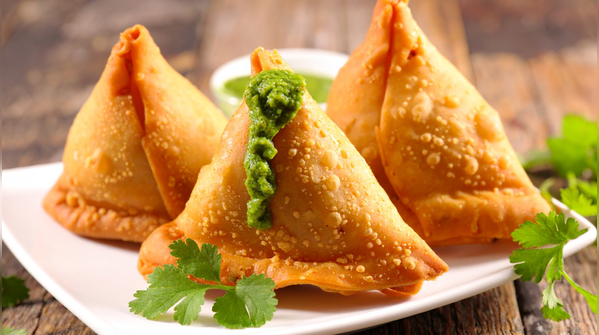
Samosa is not just Indian fast food
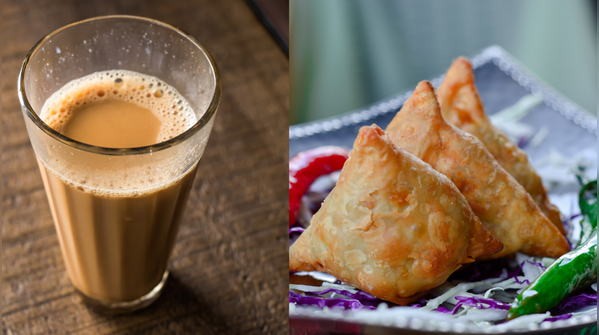
To many visitors, samosa looks like an Indian version of a pastry snack. But that reduces it to convenience food. In India, the samosa is more than a roadside bite. It is tea-time company, office snack, monsoon comfort, and part of celebrations. The filling changes from place to place: spiced potato, peas, lentils, meat, even regional twists that break the standard idea entirely.
Its importance lies not only in taste but in context. A samosa is often eaten with chutney, shared among friends, or picked up on a hurried evening home. It is humble, but not minor.
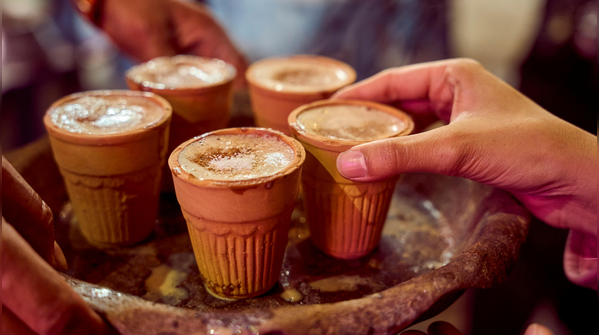
Chai is not just tea with spices
Foreigners often call chai “tea” as though that settles it. But chai, especially masala chai, is a ritual of its own. It is brewed with milk, sugar, tea leaves, and spices in many households, but the real meaning changes from region to region and family to family. It is less a fixed recipe and more a daily language.
The misunderstanding comes from thinking of chai as a trendy café drink. In India, it is ordinary, intimate, and deeply social. It arrives during breaks, arguments, rainstorms, and late-night conversations.
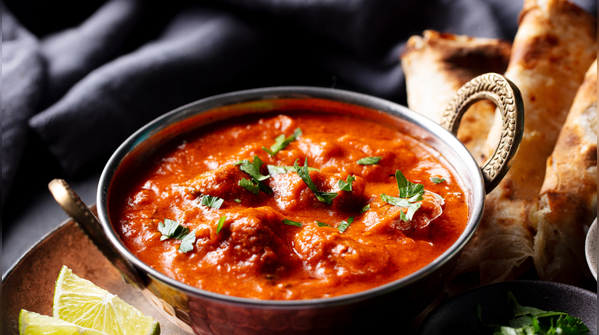
Chicken tikka masala is not the same as tikka
This is one of the most common confusions. People often assume chicken tikka masala is a traditional Indian dish identical to chicken tikka. It is not. Chicken tikka is marinated, grilled chicken pieces. Chicken tikka masala is a saucier, richer dish that developed in a very different context, especially in the diaspora.
That does not make it less legitimate. It simply means Indian food is not frozen in time. It travels, adapts, and picks up new forms along the way.
Featured In Food

MORE FROM ETIMES
life & style