
- News
- etimes
- animals-pets
- 5 powerful animals that define Yellowstone National Park’s wilderness – and how to spot them
5 powerful animals that define Yellowstone National Park’s wilderness – and how to spot them
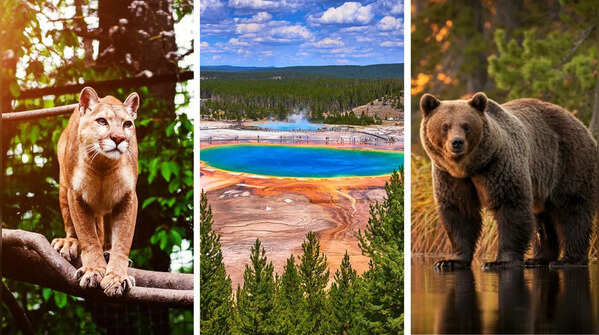
5 powerful animals that define Yellowstone National Park’s wilderness
Yellowstone isn’t just a park; it’s a living, breathing glimpse into an era where humans weren't the ones calling the shots. Spanning nearly 3,500 square miles of volcanic hotspots and alpine forests, it’s home to some of the most formidable creatures on the planet.
But here’s the thing: despite their size, these animals aren't exactly lining up for selfies. If you’re planning a trip to the American West, spotting these five untamed giants requires a mix of patience, a good pair of binoculars, and a whole lot of luck.
Images: Canva (for representative purposes only)
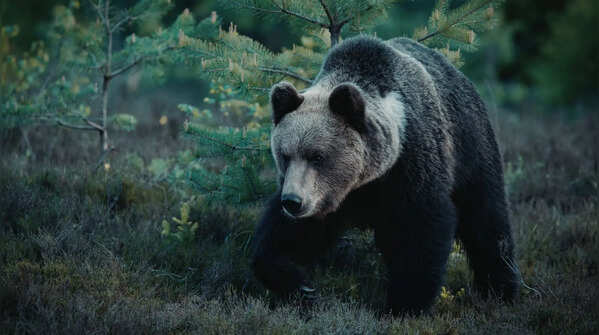
The Grizzly Bear
If Yellowstone has a king, the Grizzly Bear wears the crown. You can tell them apart from the more common black bears by that distinct hump on their shoulders – which is actually a massive bundle of muscle they use for digging and sprinting. Seeing one in the wild is a visceral experience; it’s the rawest form of the American wilderness.
While they spend a lot of their time foraging for roots or berries, don't let the “slow” movement fool you. Their physical force is legendary, and they can hit speeds of 35 mph if they have a mind to. To catch a glimpse, your best bet is to scour the Lamar or Hayden Valleys during the “golden hours” of dawn and dusk. Just remember the golden rule: keep a 100-yard buffer. In their world, you are strictly a guest.
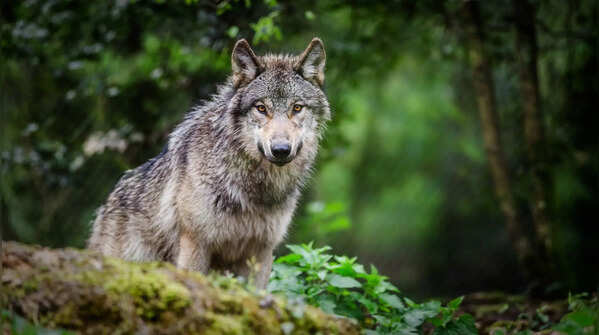
The Grey Wolf
Since their reintroduction, the Grey Wolf has become one of the most sought-after sightings for wildlife watchers. They play a crucial role in maintaining balance in the ecosystem, often influencing everything from prey populations to the landscape itself.
But these aren’t just powerful predators. Wolves are highly intelligent, social animals that move in coordinated packs, often staying out of sight and blending seamlessly into their surroundings. Spotting one in the wild can feel like catching a fleeting shadow rather than a clear view.
If you’re hoping to see or hear them, patience is key. Early mornings and quieter hours improve your chances, especially if you scan open areas from a distance. And if you’re lucky enough to hear a pack howl echo across the wilderness, it’s the kind of experience that tends to stay with you long after the trip ends.
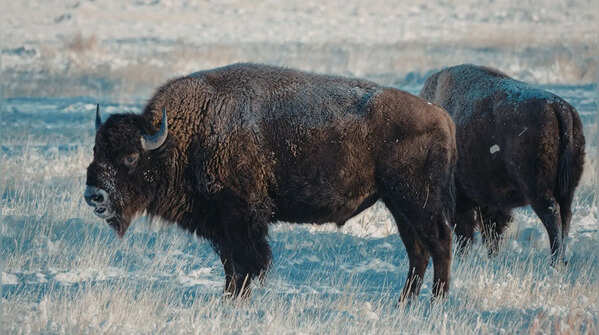
The American Bison
Don’t let the slow, rhythmic grazing fool you; the American Bison is a relic of the Ice Age and a literal ton of unpredictable power. While they are the most frequently seen giants on this list, witnessing a massive bull during the late-summer “rut” (mating season) is a display of aggression unlike anything else. When two bulls clash, the sound of their skulls hitting is like a car crash.
They are deceptively agile, capable of jumping six-foot fences and outrunning a human without breaking a sweat. In Yellowstone, the bison doesn't move for you; you move for them. Whether they’re causing a massive traffic jam on the main road or wallowing in the dirt of the Hayden Valley, these titans are the heavy-hitting icons of the plains.
The Moose
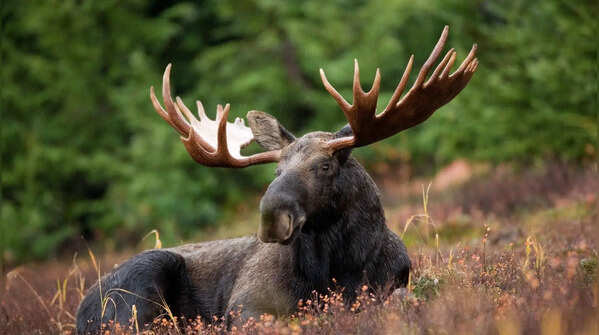
If there’s an animal that quietly dominates Yellowstone’s wetlands, it’s the Moose. Tall, heavy, and almost prehistoric in appearance, they move with a slow confidence that makes them hard to miss – if you’re in the right place. Bulls, especially during the fall rut, carry massive antlers that can stretch impressively wide, turning even a calm sighting into something unforgettable.
You’ll often spot them standing in marshes or along riverbanks, feeding on aquatic plants. It looks peaceful, almost still – but moose are far from harmless. They’re known to be unpredictable, particularly when startled or protecting calves.
Your best chance of seeing one is in the early morning around marshy areas or near Yellowstone Lake. And like everything else here, distance matters. That calm presence can turn defensive in seconds.
The Mountain Lion
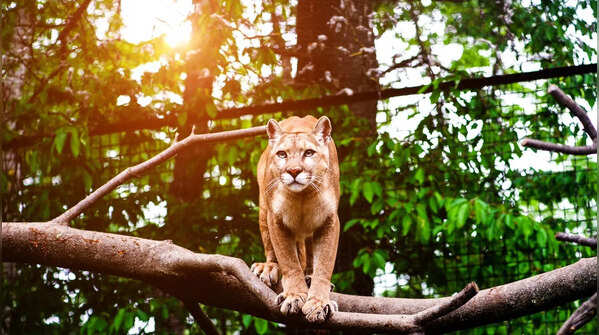
The Mountain Lion is Yellowstone’s ultimate phantom. Powerful, silent, and almost never seen, it exists on the edges of human awareness. Unlike wolves or bears, these big cats don’t announce themselves. They move alone, blending seamlessly into rocky cliffs and dense forests.
They are precision hunters, relying on stealth rather than strength in numbers. Most visitors will never see one – and that’s part of the intrigue. Their presence is usually revealed through tracks, distant movement, or the sudden quiet of the landscape.
If you do get lucky enough to spot one, it won’t feel like a typical wildlife sighting. It’ll feel like you’ve witnessed something you weren’t meant to.
The ethics of the encounter
While the thrill of the hunt – the photographic kind, anyway –is real, it’s important to remember that Yellowstone is a wild space, not a zoo. The power of these animals is matched only by their need for space.
If you’re lucky enough to cross paths with these icons, take a breath, stay in your car or at a safe distance, and just soak it in. You aren't just looking at animals; you're witnessing the last of the truly Great American Wild.
Featured In etimes

