
- News
- Education News
- Heritage Xperiential Learning School Sector 64: Pioneering the blueprint for tomorrow’s classrooms
Trending
Heritage Xperiential Learning School Sector 64: Pioneering the blueprint for tomorrow’s classrooms

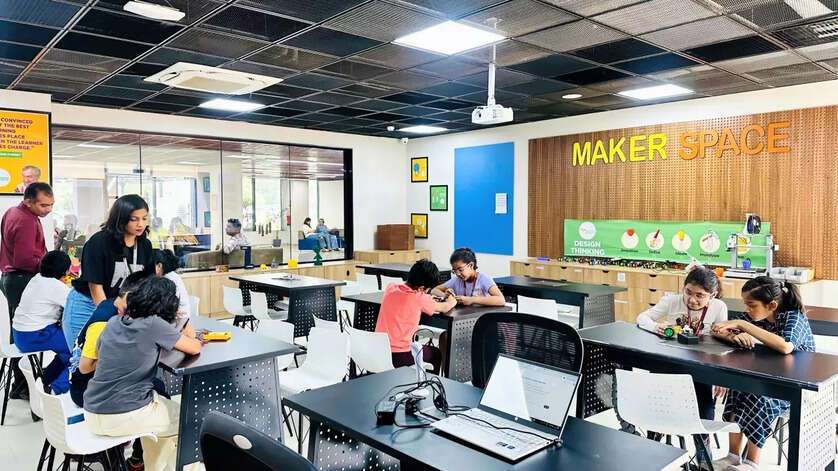
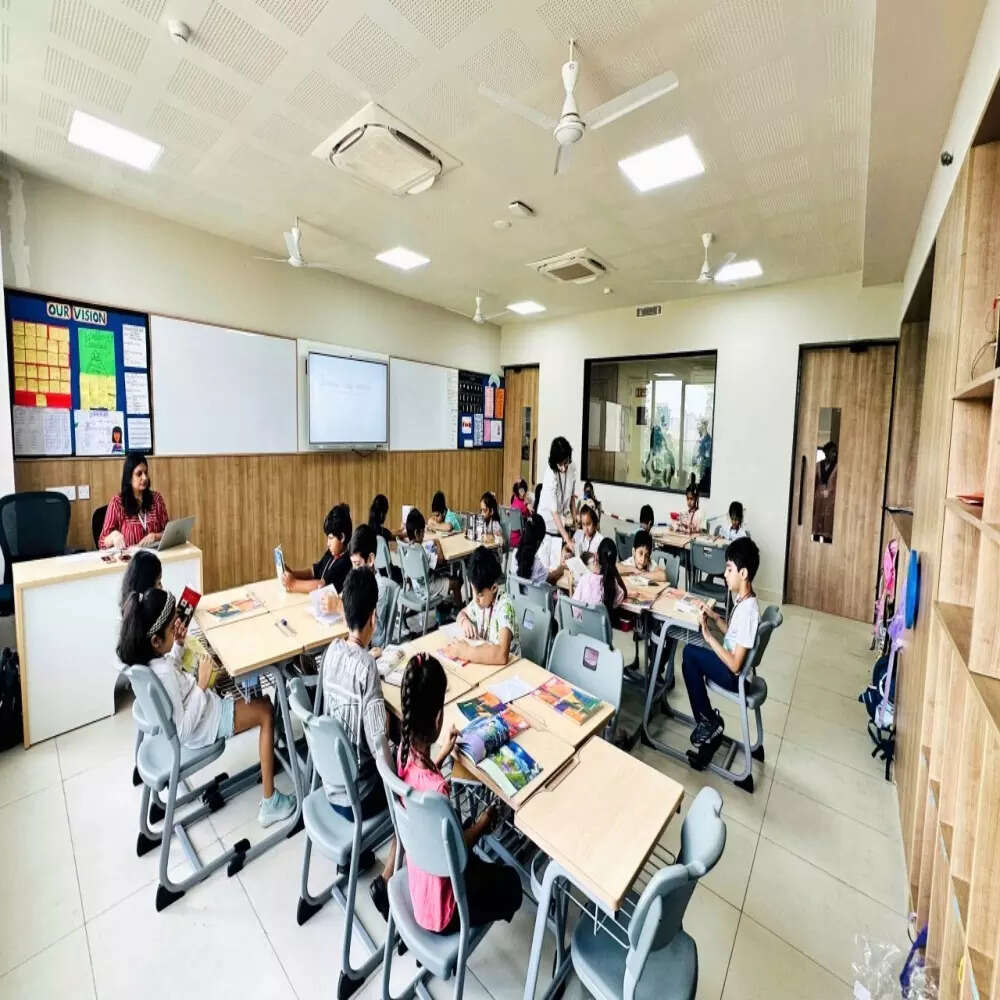
Heritage Xperiential Learning School Sector 64 is redefining classrooms with a hands-on, inquiry-based approach that empowers students to lead their own learning, solve real-world problems, and build agency from an early age.

End of Article
Follow Us On Social Media











Top Trending
Explore Every Corner
Across The Globe
Phillies KarenGTA 6Harrison BaderVice President ElectionNepal ProtestIryna ZarutskaHIRE Act 2025iPhone 17 UAETyreek HillsHailee SteinfieldTaylor SwiftRoss EdgleySelena GomezMartina NavratilovaKuwait New Media RuleSaudi Pro LeaguePeter NavarroRed Sea Cable CutHajj 2026 OmanNew GST RateWWE RAW HighlightsCaleb William StatsNepal Gen Z ProtestTrump SignatureHIRE ActOperation Midway BlitzE. Jean CarrollAsia Cup 2025Asia Cup 2025 ScheduleNepal Violence
Hot on the Web
Sanjay DuttBlood Pressure GuidelinesTurmeric Milk Health BenefitsKidney Damage SymptomsBlood PressureMagnesium Rich FruitsVitamin DDhanashree VermaAbhinav KashyapGut HealthOvarian Cancer SymptomsVMA 2025 WinnersAkshay KumarVitamin DIndian FabricsBigg Boss Telugu 9 Contestants ListFruits For DigestionHeart Attack PreventionFatty Liver SymptomsKidney HealthInspector ZendeAneeta PaddaBlocked ArteriesTanishaa MukerjiAloe Vera Ice CubesThe Bengal Files CollectionLokah Chapter 1: Chandra CollectionParam Sundari Movie ReviewSanjay DuttBaaghi 4 Box Office CollectionPlants That Flourish With Baking SodaHerbs For Vitamin CFatty LiverBest Time To Take Fish OilPancreatic SymptomsLunar Eclipse 2025Skin Problems Caused By DiabetesLow Vitamin D SignsNever Drink Coconut Water DirectlyFastag Annual PassAvoid Non Veg During Rainy Season
Trending Topics
US Third Country VisaWho is Ashok GadgilUS Tarrif IT SectorUS Student LoanRajasthan Police ConstableAIIMS NORCETAsia Cup Full ScheduleIndia Asia Cup ScheduleChris GayleShreyas IyerRohit SharmaJasprit BumrahAsia Cup Prize MoneyD GukeshKarl AnthonySophie CunninghamWho is JJ Mccarthy GirlfriendKyle BuschWho is Yacine AdliMumbai Airport NewsMumbai Navy Guard NewsTaj Mahal FloodMira Road Power BillsAbbas AnsariOracle India LayoffDelhi Agra Train Speed NewsPune Metro NewsLucknow Student AssaultedUS Haryana Man Shot DeadAishwarya RaiShailene WoodleyNepal Lifts Ban On Social MediaApple iPhone 17 ProMark ZuckerbergApple Sued By AuthorsJamie DimonSteve JobsApple EventiPhone 17Elon MuskWordle TodayNyt Connections
Popular Categories
HeadlinesSports NewsBusiness NewsIndia NewsWorld NewsBollywood NewsHealth+ TipsIndian TV ShowsTechnologyTravelEtimesHealth & FitnessDelhi Gold Rate TodayNumerology Number 1 HoroscopeChinese Horoscope PredictionsAstrologyWeather TodayPlatinum Rate TodaySilver Rate TodayGold Rate TodayIs Bank open todayIs Bank Open TomorrowBank Holidays in SeptemberPublic Holidays in SeptemberStock Market HolidaysNFL ScheduleTechnology NewsInternational SportsPublic HolidaysBank Holidays
Trending Videos
Kajol Shares Rare Throwback with Asha Bhosle and Saif Ali Khan on Her 92nd BirthdaySalman Khan Objected to Malaika’s 'Munni Badnaam' Outfit – Director Drops BombshellDonald Trump Calls Chicago War Plans ‘Fake News’, Vows To Clean Up The City | WatchPrince Harry Hints At Strained Bond With William During London AppearanceOn Cam: Israeli Jets Unleash Terror As Netanyahu Plans To Conquer Borders Beyond Gaza And West BankIs your child really just watching videos-or could they be using tech to actually learn smarter?The festive spirit soared as actress Devlina Kumar attended Times Pujor HullorActress Devlina Kumar graced Times Pujor Hullor with her presenceNepal Lifts Social Media Ban, Haryana Man Shot In US, Rekha Gupta Row And MoreArmy Chief Compares Operation Sindoor to 4-Day India-Pak Test Match, Warns Wars Never Go as PlannedActress Lekha Chatterjee made an appearance at Times Pujor HullorActress Lekha Chatterjee spotted at Times Pujor HullorAbir Chatterjee and Sauraseni Maitra spotted at an event before Durga PujaSauraseni Maitra and Abir Chatterjee spotted at a city eventDonald Trump’s Tariff Shock Won’t Last, India Will Strike Deal: Israeli Economist Shmuel AbramzonEx-Ukraine Minister Kuleba Exposes Zelensky’s ‘Soviet-Like Suppression’ | WatchHaryana Man Killed in California, Family Demands Body Be Returned Quickly‘Just A Fight With Wife’: Trump’s OUTRAGEOUS Take On Crime Against Women Amid Epstein Storm
Latest News
'Vettaiyan' director TJ Gnanavel next film to star Mohanlal:A true story on Saravana Bhavan RajagopalAsia Cup: Suryakumar Yadav warns Pakistan; drops hints of aggression on September 14Shilpa Shetty's husband Raj Kundra summoned by EOW in the Rs 60.48 crore fraud case, he can't leave the countryWBJEE 2025 round 2 seat allotment result declared for BTech, BPharm, BArch courses at wbjeeb.nic.in; download here'No one is falling for this': J D Vance hits out at Democrats; calls 'Epstein birthday book' 'another fake scandal'Shah Rukh Khan once revealed how Ratan Tata inspired him: 'My father and mother were losing their businesses…'Grand Theft Auto 6: World’s first ‘AAAAA’ labelled game with stunning visuals and record-breaking revenue; reveals industry analystNepal’s Gen Z protest: Manisha Koirala breaks her silence through an emotional post; calls it a ‘Black Day’Kareena Kapoor Khan in Manish Malhotra saree reminded everyone why she’s one of India’s legendary style iconsThane: 10-year-old gets Rs 4.69L compensation after car crash in 2019IndiGo operations: Airline announces flights connecting Kolkata and Bihar's Purnea; marks 94th domestic destinationNEET UG counselling 2025: MCC adds new seats in round 2, extends registration deadline; check notice hereKia India passes full GST benefit: Model-wise savings up to Rs 4.48 lakhHow saffron, dry fruits, and rosewater defined royal Mughal dishes6 people who should avoid turmeric milk: Side effects and health risks explainedTips on managing thirst and fluid intake on dialysis: Expert advice for kidney healthMark Zuckerberg sues Meta over repeated account suspensions and the internet can’t believe whyJanki Bodiwala reveals her no-dialogue role: I am just a mannequin with a little life stuck inside-- EXCLUSIVE
Copyright © 2025 Bennett, Coleman & Co. Ltd. All rights reserved. For reprint rights: Times Syndication Service