
- News
- City News
- rajkot News
- Girnar parikrama numbers plunge over strict plastic ban
Trending
Girnar parikrama numbers plunge over strict plastic ban
The annual Lili Parikrama at Mount Girnar saw a significant drop of 5 lakh pilgrims, largely attributed to stricter enforcement of a plastic ban. This deterred 'mava' (tobacco-laced betelnut) users, whose wrappers usually constituted a large portion of the event's litter.
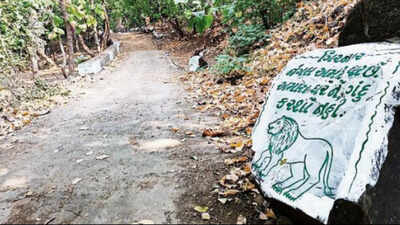
For many years, nearly 60% of the tonnes of plastic litter cleared from the 36-km parikrama route inside the Girnar Sanctuary, the abode of Asiatic lions, consisted of plastic wrappers of mava.
The forest officials and the Junagadh district administration set up a 300-strong anti-plastic squad after being severely reprimanded by the Gujarat High Court over the enforcement of the plastic ban in the Girnar eco-sensitive zone (ESZ).
Intensive frisking was conducted at the four entry points, leading many pilgrims to abandon their plans when mava packets were discovered in their bags. Additionally, the authorities widely publicised the anti-plastic measures through social media, newspapers, and news channels, discouraging potential participants who couldn't do without mavas. The three-day event ended on Nov 14.
This year, the parikrama saw 7.15 lakh attendees compared to 12.35 lakh last year. While the number of pilgrims from Maharashtra remained steady, there was a significant decline in participants from various parts of Saurashtra.
Akshay Joshi, deputy conservator of forests, Junagadh, told TOI, "When we denied entry to people carrying mava, many chose to return from the entry points. Other factors, such as the ongoing harvesting season, also contributed to the lower turnout. We believe that mava addicts avoided the event, fearing they wouldn’t be allowed to bring their stash inside."
Joshi said it was not possible to check every person, so many did manage to sneak in the mavas. "Post-parikrama, 90% of the total plastic waste collected inside the forest area was mava wrappers," he said. Some 400 to 50 kg of total garbage, including plastic, cloth bags, paper cups, and others, was cleared.
A total of 200 first offence reports (FOR) were registered under the Wildlife Protection Act 1972 against those violating plastic bans, and a total fine of Rs 3.25 lakh was collected. Those penalised included vendors, pilgrims, and operators of anna kshetras (free food kitchens) found using plastic.

About the Author
Nimesh KhakhariyaEnd of Article
FOLLOW US ON SOCIAL MEDIA










Photostories
Hot Picks
TOP TRENDING
Explore Every Corner
Across The Globe
Popular Categories
Hot on the Web
Top Trends
John CenaIPL 2025 Sold and Unsold Player ListCyclone FengalFootball Fans Clash in GuineaRohit SharmaFarmers Delhi MarchSSC CGL Result 2024IPL 2025 Full Teams SquadSunil GavaskarFarmers ProtestRCB Team SquadEknath ShindeIPL All TeamsDiddy ListKyle Shanahan InjuryKerala RainIPL All Team SquadsLive Cricket Score
Trending Topics
Living and entertainment
Latest News
US: South Carolina woman pleads guilty in fatal DUI crash that killed brideAfter a week wasted, government and opposition agree to run Parliament smoothlySC: Grap-4 stays till Thursday, will relax curbs only if air's betterSatellite traffic crowding low earth orbit, UN panel pushes for data sharing pactShraddha Kapoor rents luxury apartment in Juhu for Rs 6 lakh per month after Stree 2 success: ReportReinstatement post bail: SC to study impact on witnessesNaga Chaitanya retains romantic poster with ex-wife Samantha Ruth Prabhu on Instagram ahead of his wedding with Sobhita Dhulipala'All hell to pay': Trump's ultimatum to Hamas to release Israeli hostages before 20 JanRajon Rondo's impact on the 2018 New Orleans Pelicans: Leadership and coaching aspirationsWaiting for BJP to call meeting of Mahayuti netas, says SenaWhen drunk Pete Hegseth shouted 'kill all Muslims' at a bar on official tourFans SLAMS WWE Graphic Featuring Liv Morgan, Raquel Rodriguez, IYO SKY, and Kairi SaneMaharashtra govt formation: Fadnavis in lead, BJP MLAs to elect leader tomorrowMaroon 5 band members arrive in Mumbai ahead of their concertUS okays billion-dollar sale of helicopter equipment to IndiaTHIS creamy cheese might help you in your weight loss journey!Vikrant Massey bids adieu to acting at his 37: A look back at his 17 years long acting journey in actingWho was Omer Maxim Neutra? US-Israeli soldier killed on Oct 7, whose body remains held hostage
Copyright © 2024 Bennett, Coleman & Co. Ltd. All rights reserved. For reprint rights: Times Syndication Service