
- News
- City News
- kochi News
- <arttitle><b>When Al Qaeda visits Valparai</b><b/></arttitle>
Trending
This story is from August 12, 2016
When Al Qaeda visits Valparai
It hardly makes news and barely attracts the kind of tourists that its neighbour Ooty does. So when I overheard a worried group of tea plantation workers of Valparai speak in hushed tones about a possible attack by Al Qaeda on their sleepy town, I couldn’t help chuckling.

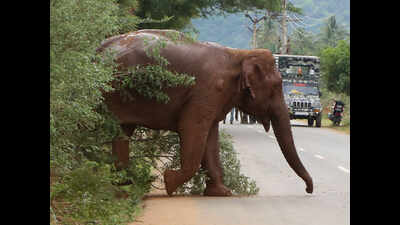
Al Qaeda is the moniker given to an elephant family living in the Nilgiris. They traverse the lush forests of Madhumalai, Anamala and the neighbouring hills as they move about in a herd of seven. Occasionally, they take a detour and wander into the villages on the fringes of the forests, mostly at night. And when they do, all hell breaks loose. The local ration shop was ransacked a while ago, I was told. Another time, they attacked a couple of houses, breaking open doors, destroying furniture, and tossing around gas cylinders like they were toys. The little village was particularly scared this time because a woman working at a tea plantation was reportedly killed; they suspect it was the rowdy herd’s doing. But despite all the fear that Al Qaeda caused, the villagers weren’t angry. ‘What can they do…? We’ve taken away their homeland…,’ said Muthu, explaining the full story:
As recently as 20 years ago, much of Valparai’s private land holdings were forest land. Acres of evergreen forests were cleared over years to make way for manicured terraces for tea plantation. Sprawling bungalows of planters popped up at various tea estates, around which shanty towns and tiny villages filled with plantation workers mushroomed. As the forests receded, its inmates kept getting pushed further inside. Most of the animals just learned to cope for lack of choice, some perished and some disappeared forever. But elephants, they are a different breed altogether. And this I learnt from Sunita, the manager of my guest house, who has been living in the Nilgiris pretty much all her adult life. She narrated the story of another elephant herd that visits a planter’s bungalow almost every year:
Elephants are extremely intelligent creatures, with excellent memory. Experts have found that baby elephants sometimes remember places they’ve never seen before, and know exactly where to go from there. This they attribute to genetic memory —the ability to remember things solely by virtue of inheriting the memory of it at birth. And this was the point Sunita was trying to make:
“This herd of elephants might belong to a family that has been walking along this path for years. Over decades, the forests made way for plantations, guest houses, roadways... But their memory tells them this is where their ancestors came. And they want to tread that path, no matter what. It is no fault of theirs.”
Sunita seems to think that they pass down ancestral wisdom, memory, fears… because they are all essential for the survival of future generations. For instance, elephants are naturally peace-loving. But, if an elephant has seen anyone in her herd being hurt or killed by a human being, she will always remember it. And then, she will not only be wary around humans but also teach her offspring that humans can mean danger. So, does the ‘Al Qaeda’ have a collective genetic memory, filled with fear, anger and a sense of revenge? Is that what makes them so averse to humans, I wondered.
If so, who is the real Al Qaeda of the two — them or us?
End of Article
FOLLOW US ON SOCIAL MEDIA









Photostories

Hot Picks
TOP TRENDING
Popular Categories
Hot on the Web
Top Trends
Liam PayneNayab Singh SainiIND vs NZ Live ScoreRohit SharmaIndian Team Lowest ScoreUGC NET ResultInfosys Q2 ResultHaryana Cabinet Ministers ListJustin TrudeauFlights Bomb ThreatJharkhand Election ScheduleBrandon McmanusMaharashtra Election 2024US Presidential Election 2024Maharashtra Election ScheduleJharkhand Election ScheduleLive Cricket Score
Trending Topics
Diwali WishesDhanteras 2024Fake PaneerLiam PayneVettaiyan CollectionVicky Vidya Ka Woh Wala Video CollectionLawrence BishnoiJigra OTT ReleaseCow GheeBigg Boss 18Salman KhanShraddha KapoorRenukaswamys WifeSharad Purnima Moonrise TimeSwatantrya Veer SavarkarSharad Purnima 2024Top Load Washing MachinesBest Premium LaptopsIntel LayoffsWordle Answer
Living and entertainment
Latest News
Injury scare for Team India as Rishabh Pant hobbles off the fieldHappy Dhanteras 2023: Images, Quotes, Wishes, Messages, Cards, Greetings, Pictures and GIFsDelhi BJP decides to go local, focus on roads, water, sanitation in election campaignLiam Payne's final meeting with Argentina fans at hotel goes viral; boy says 'You saved my life' - WATCHDA hike calculator: Dearness allowance & relief hiked by 3% - here’s how much extra salary, pension central government staff & pensioners will getKartikay Agarwal: Decoding how he is playing a role in the AI revolution and entrepreneurship renaissanceRaima Sen on playing iconic Suchitra Sen: It would be an honourTrending couple tattoo ideasBigg Boss Tamil 8 Preview: Emotional turmoil as housemates tease Dharsha Gupta over her cookingSalman Khan’s security beefed up after Baba Siddique’s murder: Arbaaz reacts, Vivek Oberoi's old video goes viral, and all that happenedLong-distance Karwa Chauth? Here’s how to celebrate when you are miles away from your partnerKamala avoiding any interviews that won't post-edit her answers: MuskCol CK Nayudu Trophy Cricket: Himachal Pradesh escape with a draw against RajasthanTony Khan hails Shelton Benjamin’s AEW in-ring debut as he sets up clash with Swerve StricklandKartik Maas 2024 Start and End Date: Time, Puja Rituals and Significance7 deadliest reptiles in the world from venomous snakes to turtlesDesi ghee and olive oil mixture: Can it help regrow hair?Bhopal to witness power cuts today; check details here
Copyright © 2024 Bennett, Coleman & Co. Ltd. All rights reserved. For reprint rights: Times Syndication Service