
- News
- City News
- delhi News
- How Delhi airport is upgrading terminal transfers to match global hubs like Zurich, Dubai, Singapore and New York JFK
How Delhi airport is upgrading terminal transfers to match global hubs like Zurich, Dubai, Singapore and New York JFK
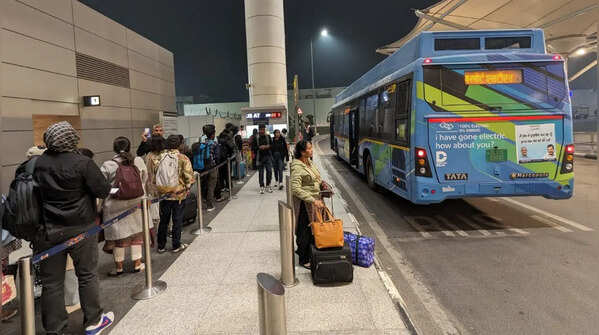
Delhi airport shifting to airside transfers
From July, most passenger transfers at Indira Gandhi International Airport between Terminals 1, 2, and 3 will shift to airside movement, reducing reliance on cityside transfers.
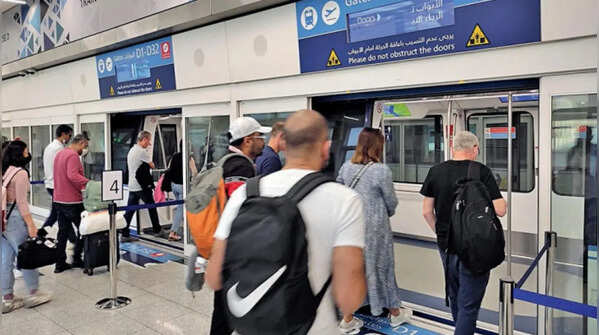
Dubai airport: One of world’s busiest airports
Dubai International Airport operates as one of the world’s busiest hubs, enabling efficient hub-and-spoke transfers with integrated terminal connectivity and frequent shuttle services.
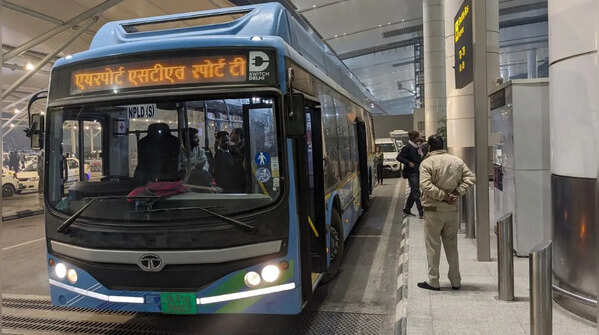
Airside buses for inter-terminal movement
Airside buses will be deployed by DIAL to facilitate T1–T3 and T1–T2 transfers, enabling smoother international-to-domestic, domestic-to-international, and domestic-to-domestic connections.

KLIA uses Ekspres Air Train system
Kuala Lumpur International Airport uses the KLIA Ekspres Air Train system to provide fast, airside-linked connectivity between terminals and the city transport network.
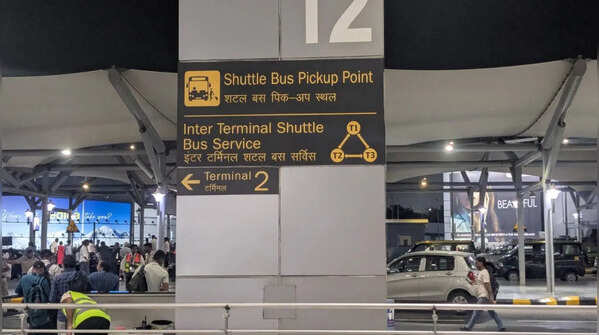
Moves toward hub-and-spoke model
The upgrade is part of Delhi airport’s shift toward hub-and-spoke operations, aligning it with global hubs like Dubai, Singapore, New York JFK, and Heathrow, with rollout expected by late June or early July after BCAS approval.
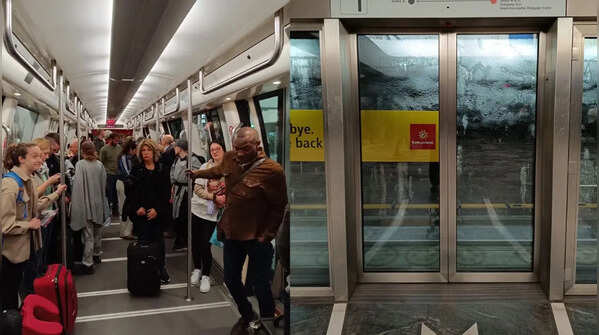
Zurich Airport: Smooth inter-terminal transfers
Zurich Airport (Switzerland) offers smooth inter-terminal transfers with well-coordinated airside buses and short walking distances within a compact terminal layout.

New York JFK: Seamless multi-terminal hub
New York JFK Airport is a major global hub offering seamless domestic and international connectivity through multiple terminals and airside transport systems.

T2–T3 retains short walking connection
Only T2–T3 transfers will still happen via cityside with a short walking route, while all major inter-terminal connections move inside the airport’s restricted operational zone.
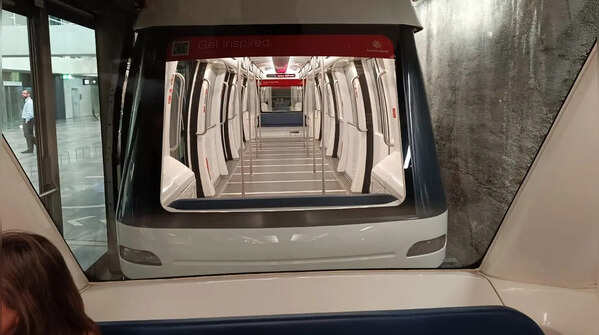
Zurich Airport: One of the quickest transit hubs
Zurich Airport is also known for its efficient hub operations, ensuring quick and easy transit connections for international passengers within tight connection windows.
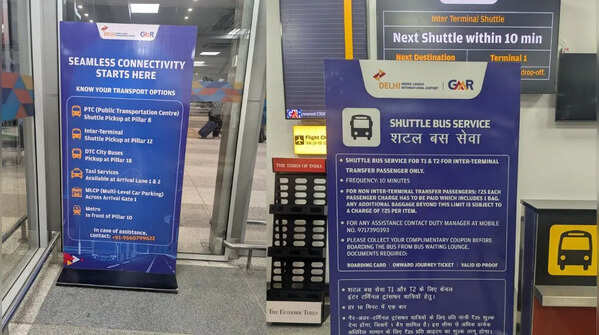
Ends DTC bus-based transfer delays
The change will replace current DTC bus-based transfers (especially T3/T2 to T1), which often face delays due to city traffic and are a major inconvenience for connecting passengers.
Featured In City

