
- News
- City News
- chennai News
- Chennai’s Underground Push: TBM Melagiri Punches Through Beneath Perambur’s Railway Maze
Chennai’s Underground Push: TBM Melagiri Punches Through Beneath Perambur’s Railway Maze
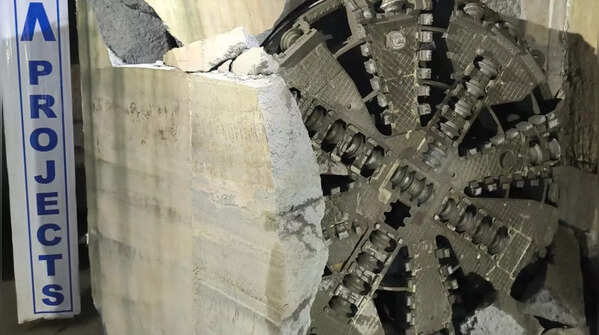
Phase 2 milestone achieved
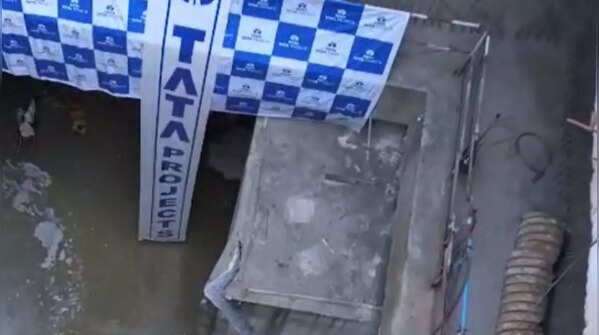
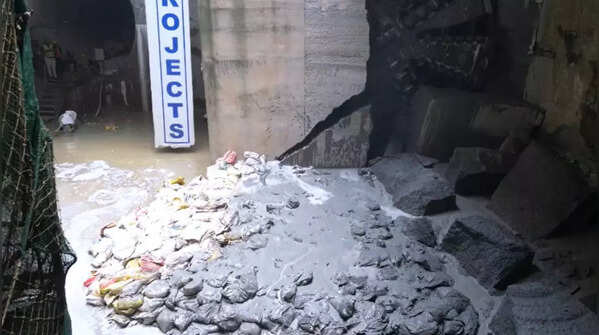
Chennai Metro Rail Limited marked a major step in its Phase 2 expansion with the successful breakthrough of TBM Melagiri at the Perambur metro (south) shaft on Corridor-3, strengthening progress on the city’s largest metro project.
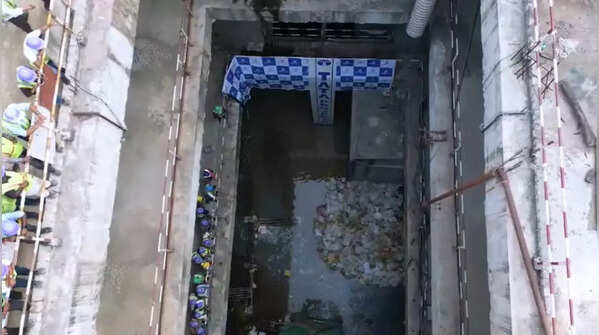
Tunnel length completed
TBM Melagiri completed tunnelling over a distance of 861 metres before achieving the breakthrough, adding a crucial underground link to the expanding Corridor-3 network under Phase 2 of the Chennai Metro.
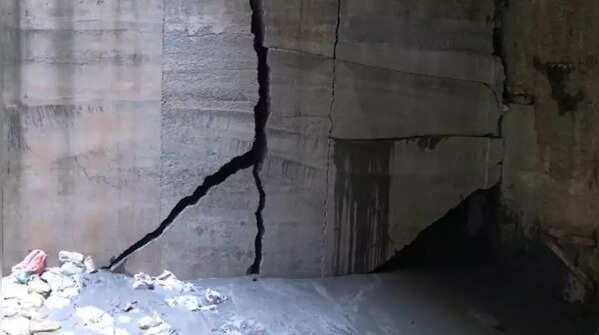
Eighth breakthrough under TU-01
This breakthrough is the eighth achieved by Tata Projects Limited under the TU-01 contract, reflecting steady execution of tunnelling works across challenging sections of the Phase 2 alignment.
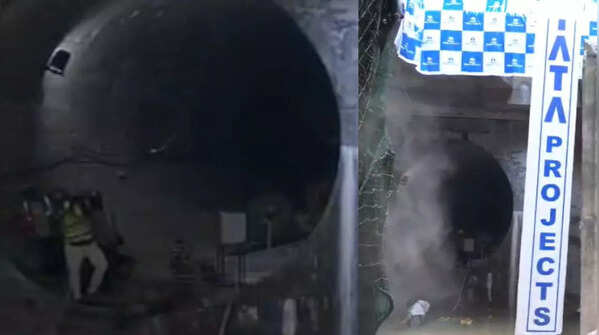
Overall tunnelling progress
With this achievement, CMRL has completed 19 tunnel boring machine breakthroughs so far in the 118.9-km-long Phase 2 project, which includes a mix of underground and elevated corridors.
Borewells posed challenges
CMRL officials said more than 32 borewells were identified along the stretch, requiring detailed surveys and mitigation measures to prevent groundwater-related issues during tunnelling.
Focus on safe execution
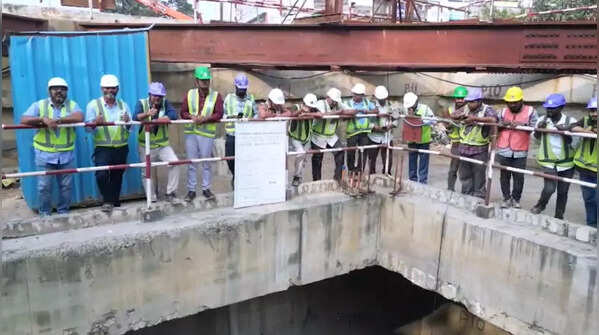
CMRL reiterated that strict safety protocols, real-time monitoring, and coordination with multiple agencies were followed to complete the breakthrough without incidents in this sensitive section.
Complex Ayanavaram–Perambur stretch
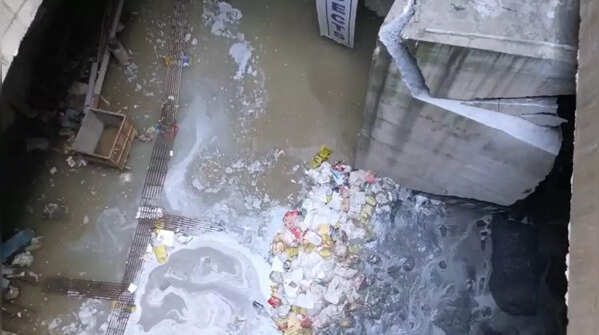
The Ayanavaram–Perambur section is among the most difficult parts of the project, requiring careful tunnelling due to dense habitation, existing infrastructure, and limited working space.
Densely populated neighbourhoods
The tunnel alignment runs below thickly populated residential areas, increasing the need for continuous ground settlement monitoring to ensure safety of buildings and public utilities.
Featured In City

