
- News
- What is egg freezing and the right age to do it
What is egg freezing and the right age to do it

What is egg freezing and the right age to do it
More women today are choosing to delay motherhood for careers, education, personal goals or simply because the timing isn't right yet. For that, egg freezing has become an increasingly popular option. Often described as a way to ‘pause’ fertility, egg freezing allows women to preserve their eggs while they are younger and potentially healthier, giving them more reproductive choices in the future.
But one question almost always comes up: when is the right age to actually do it? Experts say the timing matters more than most people realize.
What exactly is egg freezing?
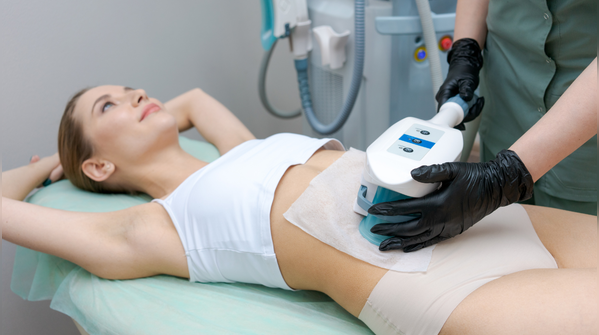
Egg freezing is a procedure where a woman's eggs are collected, frozen, and stored for future use. When she is ready to have a baby, the eggs are unfrozen, fertilised with sperm in a lab, and the resulting embryo is transferred to the uterus. It is medically known as oocyte cryopreservation. The procedure has become increasingly common among women who want to delay pregnancy due to career plans, education, or not having found the right partner yet. It is also used by women facing medical treatments like chemotherapy, which can affect fertility.
What is the right age for egg freezing?
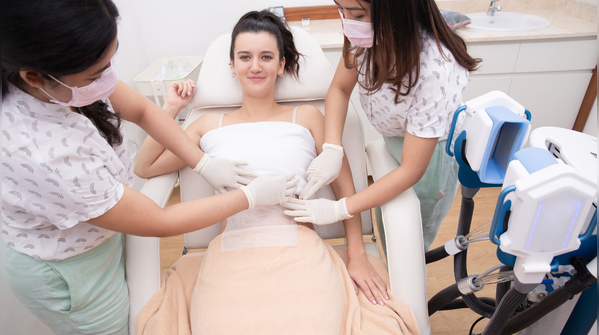
Fertility specialists recommend the window between 32 and 35 years as the ideal time for egg freezing. According to them, at this age, egg quality is still good enough to improve the chances of a successful pregnancy later. Women in their early-to-mid 30s also tend to have a clearer sense of their life plans: whether they want children, when, and with whom. That combination of biological readiness and personal clarity makes this window particularly suitable. According to IVF specialist Dr. Nalini Kaul Mahajan, 33 to 35 would be the best time to go ahead with the procedure.

Why not freeze eggs earlier?
It seems logical to assume that freezing eggs in your twenties makes more sense: younger eggs, better quality, right? Experts, however, say it is not quite that simple. A woman under 32 still has several naturally fertile years ahead of her. She may meet a partner, conceive naturally, and never need those frozen eggs at all. That means going through a complex procedure and spending significant money on the process and storage, for eggs she may never use. Unless there is a specific medical reason to act sooner, fertility specialists say freezing eggs before 32 is often premature and unnecessary for most women.

Why not wait too long either?
Here is where the other side of the equation matters. Fertility declines with age, and noticeably so after the mid-thirties. After 35, both the number of eggs a woman produces and their quality begin to drop sharply. By the late 30s or early 40s, the chances of frozen eggs successfully leading to a pregnancy are considerably lower than if those eggs had been frozen a few years earlier. This is why doctors advise women not to keep putting off the conversation. By the time many feel completely ready to explore the option, the window may already be narrowing. Freezing eggs at 40 is not impossible, but the outcomes are statistically less favourable.

Things to keep in mind
Egg freezing is not a one-size-fits-all solution. Your health, medical history, relationship status, finances, and how strongly you want children in the future all factor in. The procedure itself requires time, commitment, and follow-up care, so going in informed makes a real difference. The ideal age to freeze eggs, according to fertility specialists, is between 32 and 35. Not so early that it becomes a wasted effort, and not so late that egg quality has already declined.
If you are in your early 30s and the thought has crossed your mind, the best first step is to speak to a fertility specialist. Basic tests can give you a clearer picture of where you stand and whether egg freezing makes sense for you right now.
Featured In

