
- News
- Videos News
- TOI originals News
- Scams, Success Stories, Digital Blunders: Can G RAM G Learn from NREGA? | I Witness
Trending
Scams, Success Stories, Digital Blunders: Can G RAM G Learn from NREGA? | I Witness

| Mar 06, 2026, 03:37:38 PM | TOI.in
- Share
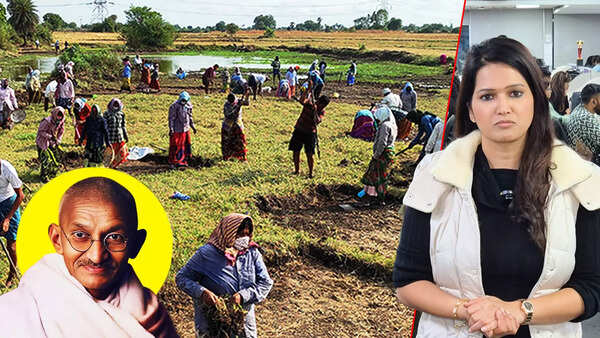
G Ram G (Gramin Rozgar Ajeevika Mission Guarantee) represents India’s ambitious attempt to modernise rural employment policy, replacing the two-decade-old MGNREGA framework with a scheme that promises more — 125 days of guaranteed work instead of 100 — while quietly delivering less in terms of structural commitment. By aligning rural employment with the Viksit Bharat vision and introducing technology-driven tools like biometric authentication, geo-tagging, and real-time dashboards, the legislation signals a shift from a rights-based welfare programme toward a development-oriented, efficiency-focused model. Yet this modernisation comes with a significant caveat: the move to a 60:40 Centre-state cost-sharing model fundamentally undermines the demand-driven guarantee that made MGNREGA a lifeline for India’s poorest, effectively making employment contingent on fiscal allocations rather than citizen entitlement. Critics — ranging from economists to grassroots organisations — warn that the guarantee now exists only to the extent the Centre chooses to fund it, and that poorer states will bear a disproportionate burden. Can G Ram G learn from NREGA while holding on to its advantages? We explore through this ground report.
Recommended Playlist
- 04:41
 End Of MGNREGA? What VB–G Ram G Means For Rural Workers, Farmers And Viksit Bharat Plan2 months ago
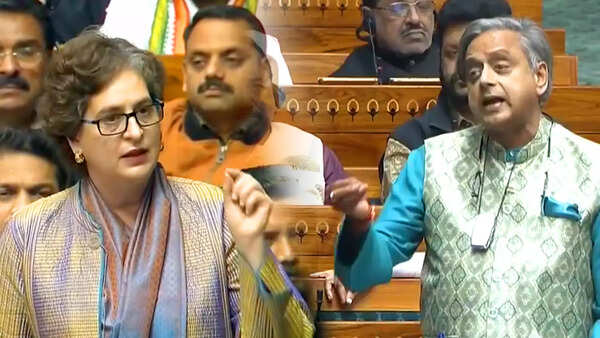
 - 09:31Priyanka Gandhi Targets VB-G RAM G Bill Over MGNREGA, Blasts Centre's Name Change Tactics2 months ago
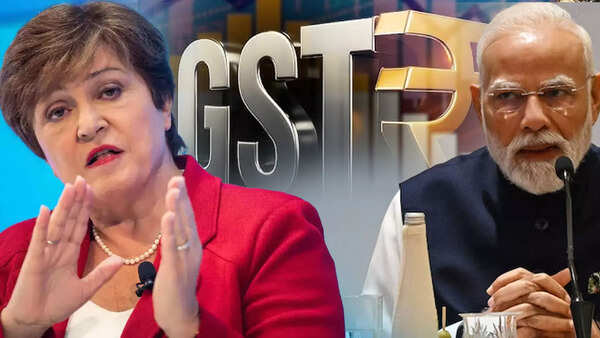
- 05:11India’s Digital ID, GST Reform Win Global Recognition From IMF Chief Kristalina Georgieva4 months ago
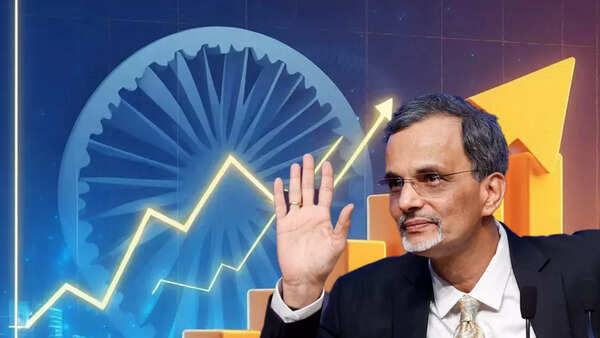
- 12:26Growth, Inflation, Jobs Improve, But Risks Loom: What CEA’s Economic Survey Briefing Really Reveals1 month ago
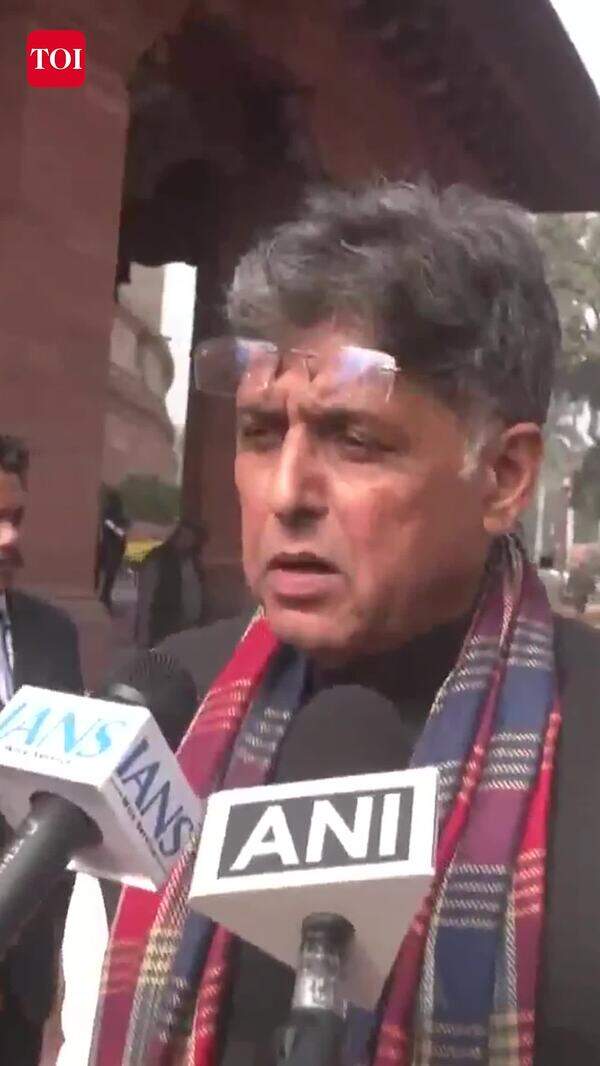
- 00:58'Cannot Be A Greater Crime Than...': Congress MP Manish Tewari On Lok Sabha Passing VB–G RAM G Bill2 months ago
- 15:42GST Reforms To Jobs: PM Modi's Eight Big Announcements For India During 79th Independence Day Speech6 months ago
- 56:22'Pre-load India-Made Apps': MapmyIndia's Rakesh Verma On Policy Push For India's Geospatial Growth3 months ago
- 03:35Reform Over Rhetoric: FM Sitharaman's Budget 2026 Charts India’s Growth Path Amid Global Trade War1 month ago
- 03:39Gadkari Launches ₹3,000 Annual FASTag Pass For Highways: Commuters Welcome New Move To Ease Travel8 months ago

Top Viral Videos
- 01:02Venezuela’s Delcy Rodriguez Rejects Drug Claims, Calls For Global Diplomatic Reset1 view | 28 minutes ago
- 01:44‘Philosophically Different’: Trump Admits Differences With Vance On Iran Strikes1 view | 30 minutes ago
- 00:54Noah Cyrus Reveals 'Deeply Personal' Songwriting Of 'Light Over The Hill' For 'Reminders Of Him'8 views | 48 minutes ago
- 09:11'There's Only One Leader Who...': Priyanka's Counter-Attack On Rijiju's 'Hug And Wink' Dig At Rahul80 views | 48 minutes ago






Short Videos






Explore Every Corner
Across The Globe
Israel Iran WarDonald TrumpIran WarE-7 WedgetailHormuz StraitIran School AttackDelhi LPG Cylinder RefillSunny NaqviCrude PriceMiddle East CrisisSilver Rate TodayLPG Supply IndiaIndian Cricket Team Reoprt CardShoaib AkhtarUttam Nagar Murder CasePNRC GNM First Year ResultIPL ScheduleR AshwinHormuz Strait NewsRickrolled CBSE Class 12 ExamBCCI Annual AwardPakistan Schools ClosedIshan KishanIndian Cricket Team Prize MoneyBangladesh Fuel CrisisIndia Next MatchRinku SinghPriya SarojIPL 2026IPL 2026 Schedule
Hot on the Web
Jesse LeverLavanya TripathiJamie LeverRam Gopal VarmaDhurandhar 2 Advance BookingJr Ntr Watch CollectionEye HealthTamannaah BhatiaSitaare Zameen Par OTTSalim MerchantDaniel JacksonOne Piece Season 2Vikram BhattDhurandhar The RevengeKritika KamraH-1B VisaDevni DeviAnjali SardanaGaurav KhannaYashIndian BreakfastQueen VictoriaR ParthibanAamir KhanKrishna ShroffHoroscope TodayCooked Chicken Storage TimeTommy DeCarlo DeathRuma DeviHeart HealthToday Gold Rate in ChennaiDelhi Weather TodayDelhi AQI TodayMumbai AQI TodayMaharashtra Public Holidays 2026Shivam Dube HouseWhite PhosphorusAnkur WarikooSam AltmanNasa Satellite CrashIndian Cobra VS Egyptian Cobra
Trending Topics
Yash DhullNovak DjokovicSuryakumar YadavPreity ZintaGautam GambhirLudhiana School Bomb ThreatDelhi Uttam Nagar Murder CaseCBSE Class 12 Mathematics PaperUP Gosaiganj AccidentBengaluru Realtor MurderMaharashtra E Bike Taxi PermitsMandya Couple SuicideDelhi Kolkata Flight ScheduleParliament Budget Session 2026Arunachal Pradesh AccidentBhiwandi Rape NewsCBSE Maths Exam QR CodeAI SummitUniform Civil CodeEssential Commodities ActIran warTarun Kumar MurderWest Bengal SIRWho is Robert GriswoldShohei Ohtani Net WorthSayali SurveJack HughesSharjah Woman Harassment CaseEtihad AirwaysJD VanceHyundai Verna FaceliftH 1b VisaSam AltmanBlack RainStephen HawkingAnthropic Ceo Dario AmodeiJasprit Bumrah HouseSundar PichaiScience NewsHow to watch ICC T20 World Cup 2026 in USAIPL 2026IPL Schedule 2026
Popular Categories
HeadlinesSports NewsBusiness NewsIndia NewsWorld NewsBollywood NewsHealth+ TipsIndian TV ShowsTechnologyTravelEtimesHealth & FitnessAstrologyInternational SportsDeorhiTechnology NewsAutoWeather TodayGold Rate Today DelhiSilver Rate TodayPlatinum Rate TodayIs Bank open todayIPL 2026IPL Schedule 2026Bank HolidaysPublic HolidaysBank Holidays in MarchPublic Holidays in MarchAries HoroscopeGemini Horoscope
Trending Videos
Timothée Chalamet’s Oscar Hopes Hit After ‘No One Cares About Ballet Or Opera’ Remark Ignites FURYUS Patriot Missile Hits Bahrain Homes; Shocking Malfunction Embarrasses Trump? | Iran WarVenezuela’s Delcy Rodriguez Rejects Drug Claims, Calls For Global Diplomatic ResetBJP Accuses Mamata Banerjee Of Warning Bengali Hindus After Viral Speech Clip Sparks RowDesalination Plants: Water, Not Oil, Is the Key Strategic Commodity In the Iran War | EXPLAINED
Latest News
Rajpal Yadav looks back at ‘Malamaal Weekly,’ Actor expresses gratitude as the comedy turns 20Trump is listening to him: Megyn Kelly rejects Senator Lindsey Graham's warmongering, calls him 'homicidal maniac'Director confirms Resident Evil Requiem mini game coming on May, also, extra story content is in developmentAshley Judd speaks out about ‘Kiss the Girls’; Asks why violence against women is turned into entertainmentOla launches T20 Champions Edition S1 Pro+ & Roadster X+ EVs: What's special‘It’s making everything worse’: Americans fume as gas prices spike across US amid Iran warUS offers travel guidance for citizens in Middle East, shares emergency contacts and possible departure optionsSharon Stone shares a special birthday post; Actress revisits her stylish 90s days in a throwback videoZodiac Signs And Their Favorite Movie GenresAfter social media ban for kids, Australia’s age-restrictions kick off: All details and what it means for young usersIIT Bombay releases UCEED, CEED 2026 scorecards: Check steps to download and direct link hereSuhana Khan picks a special song for Rysa’s birthday; Ananya Panday reveals her BFF chose the trackSaif Ali Khan says he can be emotionally needy, opens up on marriage with Kareena Kapoor: 'Lucky that we are on the same page'Why the e-commerce giant that once called itself a ‘proud Korean company’ is telling everyone that it is American“Coolest sports quotes ever” - Hollywood actor Ben Stiller praises Shai Gilgeous-Alexander’s hilarious response after stunning win against Denver NuggetsWill Lamine Yamal and Jude Bellingham be suspended from UEFA Champions League round of 16? Threat looms over FC Barcelona and Real Madrid'Wish we had 100 more hours': Vijay Deverakonda shares moments with Rashmika Mandanna from mehendi and Pradhanam ceremoniesFrom Rs 125 cr to Rs 131 cr: How much has BCCI rewarded Team India for recent ICC triumphs?
Copyright © 2026 Bennett, Coleman & Co. Ltd. All rights reserved. For reprint rights: Times Syndication Service