
- News
- Health News
- Your resting heart rate could signal future heart risk: Cardiologist explains warning signs and lifestyle changes to keep it healthy
Your resting heart rate could signal future heart risk: Cardiologist explains warning signs and lifestyle changes to keep it healthy

How does resting heart rate reveal heart health risk
The human heart works quietly in the background, beating around 100,000 times a day. Most people notice it only during exercise, stress, or illness. Yet doctors say one simple number, the resting heart rate, can reveal a great deal about long-term heart health.
Resting heart rate refers to the number of times the heart beats per minute while the body is completely at rest. This small measurement can offer clues about fitness, stress levels, and even early cardiovascular risk. When the heart beats faster than usual while resting, it may signal that the body is under strain.
Cardiologists increasingly consider resting heart rate a valuable health marker. In many cases, it can hint at future heart problems years before symptoms appear.

What exactly is resting heart rate?
Resting heart rate is the number of heartbeats per minute when the body is calm, relaxed, and not physically active. The best time to measure it is early in the morning before getting out of bed.
For most adults, the normal resting heart rate ranges between 60 and 100 beats per minute. Athletes and very fit individuals often have lower rates, sometimes around 50 beats per minute, because their hearts pump blood more efficiently.
The heart functions like a pump. If it works efficiently, it needs fewer beats to circulate blood. When the rate remains high even at rest, it may indicate that the heart is working harder than it should.
As the American Heart Association explains, tracking resting heart rate over time can reveal trends that signal changes in cardiovascular health.
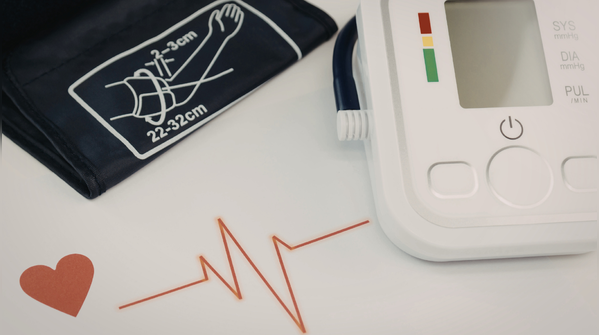
Why doctors pay attention to this small number
A slightly higher resting heart rate may seem harmless. However, studies show that a consistently elevated rate is linked with higher cardiovascular risk.
According to research from the US National Institutes of Health, higher resting heart rates have been associated with increased chances of heart disease and mortality.
A higher rate often reflects increased activity in the body’s stress response system. This keeps the heart in a constant state of mild overwork.
Over time, this strain can contribute to:
blood pressure problems
arterial stiffness
higher risk of heart attack or stroke
In simple terms, when the heart never truly slows down, it may wear out faster.
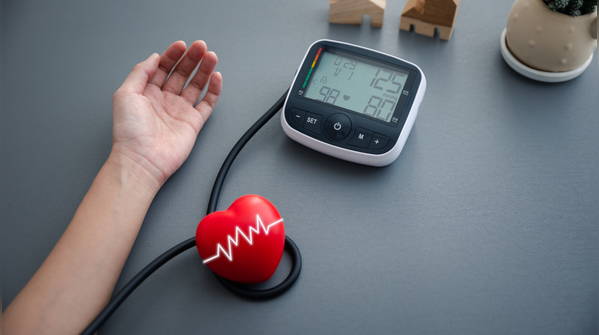
Cardiologist explains what a higher resting heart rate could mean
Cardiologists often look at resting heart rate alongside other health indicators such as blood pressure, cholesterol, and weight.
Dr Ashish Agarwal, Director and Unit Head (Unit-1), Cardiology, Aakash Healthcare, explains the connection clearly.
“Resting heart rate is an important indicator of overall cardiovascular health and can sometimes signal future heart-related risks,” says Dr Ashish Agarwal. “For most adults, a normal resting heart rate ranges between 60 to 100 beats per minute. However, if a person consistently has a resting heart rate on the higher side, especially above 80-90 beats per minute, it may indicate that the heart is working harder than normal.”
A heart that beats faster at rest may not be pumping efficiently. This forces it to work harder to circulate blood through the body.

Health conditions linked to a consistently high resting heart rate
A persistently elevated resting heart rate often reflects underlying health issues rather than a single cause.
Dr Agarwal highlights several factors that may contribute.
“A persistently elevated resting heart rate can be associated with conditions such as high blood pressure, obesity, poor physical fitness, stress, or underlying heart disease,” he explains.
These conditions increase the workload on the cardiovascular system. Over time, the impact can accumulate.
The doctor adds another important warning.
“When the heart beats faster at rest, it means the cardiovascular system may not be functioning efficiently. Over time, this can increase the risk of heart attack, stroke, and other cardiac complications.”
Public health data from the US Centers for Disease Control and Prevention (CDC) also notes that cardiovascular disease remains the leading cause of death globally, making early risk signals extremely valuable.
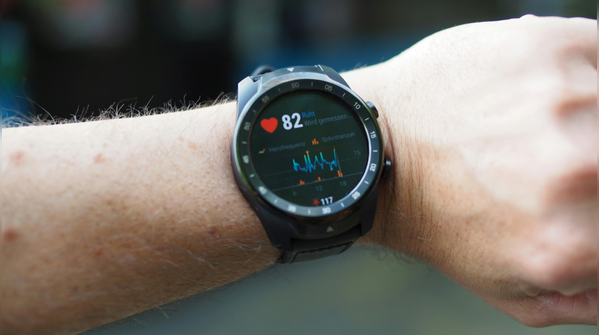
Warning signs that the heart may be under strain
Resting heart rate rarely acts alone. Often, the body sends subtle signals that something is not right.
Common warning signs may include:
frequent fatigue even after adequate sleep
shortness of breath during mild activity
dizziness or palpitations
poor exercise tolerance
persistent anxiety or stress
Sometimes there are no symptoms at all. This is why monitoring resting heart rate can act as an early alarm system.
Lifestyle habits that help maintain a healthy resting heart rate
The encouraging news is that resting heart rate responds strongly to lifestyle changes.
Dr Agarwal explains that daily habits play a central role, “Regular physical activity, adequate sleep, stress management, a balanced diet, and avoiding excessive caffeine or smoking can help keep the resting heart rate within a healthy range.”
Some of the most effective strategies include:
Regular physical activity
Aerobic exercises such as brisk walking, cycling, or swimming strengthen the heart muscle.
Better sleep patterns
Seven to eight hours of sleep allows the nervous system and heart to reset.
Stress reduction
Meditation, breathing exercises, and yoga can lower heart rate by calming the body’s stress response.
Balanced nutrition
Diets rich in fruits, vegetables, whole grains, and healthy fats support heart health.
Even small improvements can gradually bring the resting heart rate down.

Why monitoring your heart rate regularly matters
Tracking resting heart rate takes less than a minute but can offer valuable health insights.
Dr Agarwal recommends regular monitoring, “People should also monitor their resting heart rate periodically using fitness trackers or by checking their pulse in the morning before getting out of bed. If someone notices consistently high readings, it is advisable to consult a doctor for proper evaluation.”
Many modern smartwatches and fitness bands now record this number automatically. However, the traditional method works just as well: placing two fingers on the wrist and counting beats for 60 seconds.
A simple daily check may reveal patterns that help doctors identify risks early.
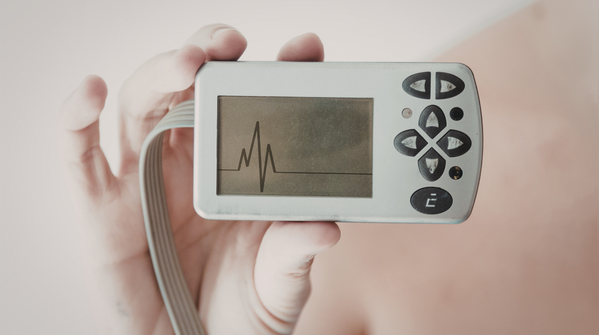
The quiet message the heart sends every morning
Every morning, before the rush of work, noise, and deadlines begins, the heart reveals its natural rhythm. That quiet pulse carries valuable information about the body's internal balance.
A lower resting heart rate usually reflects a heart that is strong, efficient, and resilient. A higher one may signal stress, fatigue, or underlying health problems.
Listening to that signal does not require complex tests. It requires only attention and awareness.
Sometimes the body speaks softly. Resting heart rate is one of those soft signals that may protect the heart long before trouble begins.
Medical experts consulted
This article includes expert inputs shared with TOI Health by:
Dr Ashish Agarwal, Director and Unit Head (Unit-1), Cardiology, Aakash Healthcare.
Inputs were used to explain how resting heart rate can indicate potential future heart risks, highlight the warning signs to watch for, and share lifestyle changes that can help maintain a healthy heart rate and support overall heart health.
Featured In Health

