
- News
- Videos News
- international News
- The murky rules of the aquarium fish trade
Trending
The murky rules of the aquarium fish trade
| Oct 19, 2022, 03:47:06 PM | AP
- Share
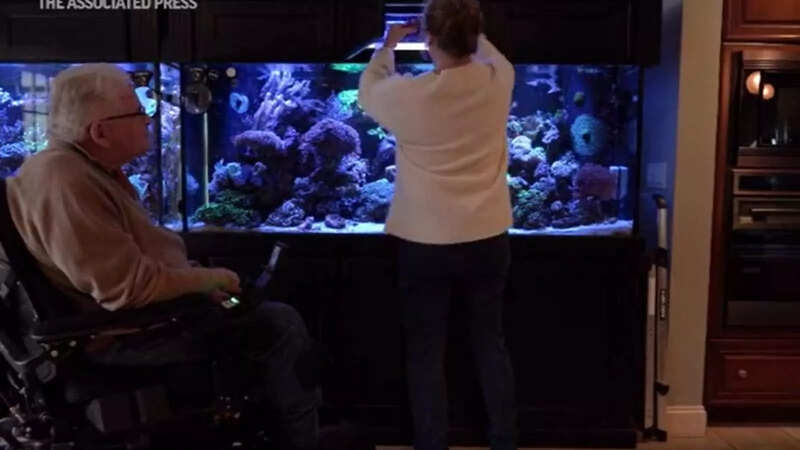
After diving into the warm sea off the coast of northern Bali, Indonesia, Made Partiana hovers above a bed of coral, holding his breath and scanning for flashes of movement. Hours later, exhausted, he returns to a rocky beach, towing plastic bags filled with his exquisite quarry: tropical fish of all shades and shapes. "I started as a fisherman in 1997, after elementary school, because my parents could not afford my education. So at that time I became an ornamental fisherman," said Partiana. Millions of saltwater fish like these are caught in Indonesia and other countries every year to fill aquariums in living rooms, waiting rooms and restaurants around the world with vivid, otherworldly life. But the journey from places like Bali to Rhode Island is perilous for the fish and the reefs they come from. Some are captured using squirts of cyanide to stun them. Many die along the way. Even when captured carefully, by people like Partiana, experts say the global demand for these fish is contributing to the degradation of delicate coral ecosystems. "The sea is big and has open access.So, we can use it as long as we don't use cyanide, we respect nature and we are catching fish with nets – which are environmentally friendly," said Partiana. There have been efforts to reduce destructive practices, such as cyanide fishing. But the trade is difficult to regulate and track as it stretches from small scale fisherman in villages through middlemen, export warehouses, international trade hubs and finally to pet stores in the U.S., China, Europe and elsewhere. "Most of the fish coming to the US are legally acquired. But there is a proportion of fish that come into the United States, and we don't know what that proportion is that are certainly illegal and they're intermixed together. It's not possible for the even the person who's importing them to know which fish are being collected properly and which fish are not," said Andrew Rhyne, a marine biology professor at Roger Williams University in Rhode Island. Most ornamental saltwater fish species are caught in the wild because breeding them in captivity can be expensive, difficult and often impossible. Nearly 3 million homes in the U.S. keep saltwater fish as pets, according to a 2021-2022 American Pet Products Association survey. About 7.6 million saltwater fish are imported into the U.S. every year. For decades, a common fishing technique has involved cyanide, with dire consequences for fish and marine ecosystems. Fishermen crush the pellets into a bottle filled with water. The diluted cyanide forms a poisonous mixture fishermen squirt onto coral reefs, where fish usually hide. The fish become temporarily stunned, allowing them to be picked from the coral. Many die in transit, weakened by the cyanide – which means even more fish need to be captured to meet demand. The chemicals damage the living coral and make it difficult for new coral to grow. Cyanide fishing has been banned in countries such as Indonesia and the Philippines, but enforcement of the law remains difficult, and experts say the practice continues. "If a fish is caught with cyanide or in an area that's prohibited, then then the fish would be illegal. But it's not possible for the consumer to really know which fish is which because they don't have a tag like your clothes have on them that tell you where they come from," said Rhyne. Another obstacle to monitoring and regulating of the trade is the quick pace that the fish can move between locations, making it difficult to trace their origins. At a fish export warehouse in Denpasar, Bali, thousands of fish a day can be delivered in white Styrofoam coolers crammed with plastic bags of fish from around the archipelago. The fish are swiftly unpacked, sorted into tanks or new plastic bags and given fresh sea water. Ones that died in transit are thrown in the trash. Some fish will remain in small rectangular tanks in the warehouse for weeks, while others are shipped out quickly, fulfilling orders from the U.S., Europe and elsewhere. Once the fish fly from Indonesia to the U.S., they're checked by the Fish and Wildlife Service, which cross-references the shipment with customs declaration forms. But that's designed to ensure no protected fish are being imported. The process cannot determine if the fish were caught legally. A U.S. law known as the Lacey Act bans trafficking in fish, wildlife, or plants that were illegally taken, possessed, transported, or sold – according to the laws in the country of origin or sale. That means that any fish caught using cyanide in a country where it's prohibited would be illegal to import or sell in the U.S. But no test exists to provide accurate results on whether a fish has been caught with cyanide. " When it comes down to it, the onus is on the importer. The importer is the one that needs to pick the exporter that is doing the right doing. You know, exporting animals correctly, complying with their nation's export laws and wildlife conservation laws as well," says Carlos Pages, an officer at the U.S. Fish and Wildlife Service. In the absence of national enforcement, conservation groups and local fishermen have have long been working to reduce cyanide fishing in places like Les, a saltwater aquarium fishing town in northern Bali. Partiana started catching fish – using cyanide -- shortly after elementary school, when his parents could no longer afford to pay for his education. Every catch would help provide a few dollars of income for his family. But over the years Partiana began to notice the reef was changing. Experts say it this type of local education and training that should be expanded to reduce harmful fishing. In Rhode Island, Jack Siravo, a fish enthusiast, shares Partiana's hopes for a more environmentally friendly saltwater aquarium industry. "You learn the effect of collecting," he says. "I don't want fish that are not collected sustainably, because I won't be able to get fish tomorrow if I buy fish today."
Recommended Playlist
- 00:47
 ‘Attempted To Flee’: Coast Guard Intercepts Pakistani Fishing Vessel In Arabian Sea1 month ago
 - 10:05China Coast Guard Injures Filipino Fishermen in Explosive South China Sea Clash | WATCH2 months ago
- 05:52Indian Crew Hit In Iran War Shipping Chaos: 3 Dead, 4 Injured2 days ago
- 00:00Jaishankar Explains Why India Allowed Iranian Ship To Dock Amid Ongoing Conflict Between US, Iran1 week ago
- 05:03Desalination Plants: Water, Not Oil, Is the Key Strategic Commodity In the Iran War | EXPLAINED4 days ago
- 09:50Indian Ships Shivalik And Nanda Devi Sail Through Hormuz, Head To Gujarat Ports Amid LPG Crisis4 hours ago
- 01:55Brave Mom Rescues Shark Stranded On Oregon Beach, Carries It Back To Ocean Bare-Handed4 months ago
- 21:12'Oil Geopolitics No Longer Episodic, India Faces Era Of Permanent Energy Volatility,' Warns Minister1 month ago
- 03:11Panic In Botswana: Mama Elephant Charges Canoes, Leaves Tourist GASPING Underwater | VIRAL5 months ago
- 04:52India's Indus Waters Treaty Move 'Dries' Pak; Fishermen Plead PM Modi | 'No Life Without Water'10 months ago








Top Viral Videos

- 06:17Donald Trump Triggers Fresh Health Concerns After Awkward Memory Mix-Up During White House Speech13 views | 1 hour ago
- 12:18U.S. Tomahawk Missile 'Shortage' From Iran War 'Undercuts Ukraine’s Deep‑Strike Plans' | Watch72 views | 1 hour ago
- 20:45'Obama Deported 3 Million': Lindsey Graham Loses Cool As Republicans, Dems Clash At Fiery Hearing40 views | 1 hour ago
- 03:01Remembering Malayalam child artist Hari Murali who appeared in over 40 serials and several films13 views | 2 hours ago









Short Videos









Related Articles






Explore Every Corner
Across The Globe
Israel Iran WarLPG Shortage IndiaAbbas AraghchiRishi KapoorPrince Sultan Air BaseDonald TrumpIraq Tanker AttackPrasad SinghUS Strike IranAyman Mohamad GhazaliAadhaar Tatkal bookingAnna University Results 2026Abrar AhmedShivam DubeAbhishek SharmaSara TendulkarStrait of HormuzSonam WangchukNorth Korea Missile LaunchUAE Fujairah Port AttackRomans' human feces medicine discoveryAlkmaar Cheese Market ritualSeema Misra Post Office scandalH-1B visa $100,000 fee controversyIndia emergency fuelIndia LPG crisisIran navy shipMaharashtra anti-conversion billIPL 2026IPL 2026 Schedule
Hot on the Web
Border 2 OttKhushboo SundarPoorest PresidentDhurandhar The RevengeArchana Puran SinghEtihad AirwaysDubai Airports UpdateUstaad Bhagat Singh ReviewMahesh Babu BusinessSreeleela HouseSpider Man Brand New DayDhurandhar 2Jana NayaganEid Ul Fitr 2026Dhurandhar 2 ReviewAir IndiaBaby NamesJr NtrShah Rukh KhanShakti MohanKamal HaasanRameshbabu PraggnanandhaaGaurav KapurIndian BreakfastNeena GuptaQueen VictoriaHoroscope TodayNeanderthal MenWISA ActCooked Chicken Shelf LifeToday Gold Rate in ChennaiDelhi Weather TodayDelhi AQI TodayMumbai AQI TodayMaharashtra Public Holidays 2026Lpg Cylinder ShortageWhite PhosphorusTata SierraSam AltmanNasa Satellite CrashIndian Cobra VS Egyptian Cobra
Trending Topics
UPPRB Police Sports Quota Admit Card 2026Menstrual Leave PolicyBengaluru fake cop robberyOman drone strikeIndia emergency fuelIndia ships Iran passageMissMeensy AutobahnLeon Draisaitl net worth 2026Ninja net worth 2026Cardi B Stefon Diggs breakupSuni Lee 23rd birthdayNikki BellaTaylor Swift relationshipDeion SandersDevonta Smith wedding photosEid Al Fitr 2026 Holiday DubaiDallas Edwards OVW referee injuryKobe BryantJJ Watt tipping culture debateDonna Kelce SpotifEnvoi AllenTom BradyBengaluru fake cop robberyKolkata building residents trappedGreater Bengaluru AuthorityPunjab fiscal health indexIndiGo fuel surcharge flightsIran LPG vesselsUS Section 301India forex reserves fallTim CookAtlassian LayoffsSam AltmanElon MuskIran Warns US Tech FirmsRoyal Enfield Meteor 350 Vs Jawa 42 FJJasprit Bumrah HouseStryker CyberattackScience NewsHow to watch ICC T20 World Cup 2026 in USAIPL 2026IPL Schedule 2026
Popular Categories
HeadlinesSports NewsBusiness NewsIndia NewsWorld NewsBollywood NewsHealth+ TipsIndian TV ShowsTechnologyTravelEtimesHealth & FitnessAstrologyInternational SportsDeorhiTechnology NewsAutoWeather TodayGold Rate Today DelhiSilver Rate TodayPlatinum Rate TodayIs Bank open todayIPL 2026IPL Schedule 2026Bank HolidaysPublic HolidaysBank Holidays in MarchPublic Holidays in MarchAries HoroscopeGemini Horoscope
Trending Videos
'What Planet Did You Parachute In From': Sen Kennedy Clashes With Dem Witness On DeportationsDonald Trump Triggers Fresh Health Concerns After Awkward Memory Mix-Up During White House SpeechIran Puts Kyiv 'On Notice' For Sending Drone Interceptors; Warns 'Entire Ukraine Is Now...''Obama Deported 3 Million': Lindsey Graham Loses Cool As Republicans, Dems Clash At Fiery HearingIRANIAN MISSILE HITS EILAT: 'Cluster Bomb' Fragments Rain Down On South Israel; Casualties ReportedTwo Indian Ships Cross Strait of Hormuz, Says MEA'Every Drop Of Blood Will Be Avenged': Iran Armed Force Warns Trump After Kharg Island BombingRyan Coogler Says He’s ‘Not Thinking About History’ As ‘Sinners’ Dominates Oscars Race
Latest News
Injury-battered Jeremy eyes comeback with Asiad berth dreamScience behind the Faroe Islands’ largest lake that appears to ‘float’ above the Atlantic OceanCian Shields to make Formula E debut with Cupra Kiro at Madrid Rookie TestCentre has not provided share of taxes & grants of 13,000cr: MinHeatwave-like conditions in 7 dists: IMDList of dead, duplicate voters to be published with draft rolls: Jharkhand CEOElena Rybakina sends warning before Aryna Sabalenka rematch as Indian Wells 2026 final rivalry grabs attentionBodies found on rly tracks in DumkaAssam elections 2026: Congress releases 2nd list of 23 candidates, leaves 15 seats for alliesWho is Antonio Brown’s daughter Antanyiah Nyiah Brown? The high school sprint star who just signed with University of Kansas trackAamir Khan cuts his birthday cake with girlfriend Gauri Spratt, kids Azad Rao, Ira and Junaid Khan, Irfan Pathan shares inside VIDEOGovt trying to minimise war impact, Cong creating panic: Modi in Silchar2 killed after car ploughs into fair crowd in RanchiAnurag Dobhal health update: YouTuber UK 07 Rider's lungs partially damaged in car accident, says managerLPG shortage ‘spurs’ increase in demand for piped gas in RanchiPM Modi inaugurates APSEZ's Haldia terminal; India's first fully automated dry bulk facilityUnion min urges developing Ranchi as millet capital of the countryItel A100 review: Gets the job done
Copyright © 2026 Bennett, Coleman & Co. Ltd. All rights reserved. For reprint rights: Times Syndication Service