Why does Mount Everest make terrifying noises at night?
Why does Mount Everest make terrifying noises at night?
You're Reading


Synopsis
If reports are to go by, in 2018, a team of researchers led by glaciologist Evgeny Podolskiy from the Arctic Research Center at Hokkaido University head out on a pioneering expedition to the Nepalese Himalayas. Their mission was t … Read more
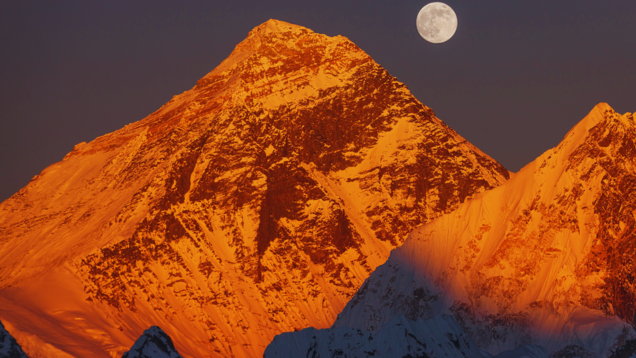
If reports are to go by, in 2018, a team of researchers led by glaciologist Evgeny Podolskiy from the Arctic Research Center at Hokkaido University head out on a pioneering expedition to the Nepalese Himalayas. Their mission was to unravel the enigma of these haunting nocturnal sounds. They set up a camp amid the majestic Trakarding-Trambau Glacier system, which is situated around 3 miles above the sea level and is in clear view of Everest; the team braved bone-chilling temperatures to carry out their investigations.


Read more: Mysterious unknown structure discovered near Great Pyramid of Giza
While staying in the area, Dr. Podolskiy and his colleagues directly encountered the unsettling phenomenon. Renowned expedition leader Dave Hahn, with 15 Everest ascents to his name, vividly portrayed the disconcerting experience of listening to the chaotic symphony of ice and rock cascading in the valley beneath, which posed a considerable hurdle to peaceful sleep.

Best places in India for guaranteed tiger spotting
Read more: Oldest continuously inhabited settlements in Europe
This groundbreaking research not only deepens our understanding of glacial dynamics but also sheds light on the profound impact of climate change on these delicate ecosystems. As global temperatures rise, glaciers in remote regions like the Himalayas face unprecedented challenges. The rapid rate of glacial melt not only threatens local communities with the risk of catastrophic floods, but also jeopardises water security for millions downstream.
The Himalayan region, often referred to as the ‘Third Pole’ due to its vast freshwater reserves, is experiencing accelerated glacial melt due to anthropogenic climate change. Dr. Podolskiy's work contributes vital insights into the behaviour of Himalayan glaciers, informing efforts to mitigate the adverse effects of climate change on water resources and disaster risk management.

closecomments

Be the first one to review.
We have sent you a verification email. To verify, just follow the link in the message
end of article

Visual Stories
10 pretty Indian villages to visit this year-end
8 castles in Germany straight out of a fairy-tale
8 tiger reserves every wildlife enthusiast should visit in India

10 animals that are easily spotted in Ranthambore National Park
How to prepare for a night safari in India?

9 rare animals to spot in the Western Ghats and where to find them


Trending Stories
Vande Bharat train journeys across Kerala, Tamil Nadu, Karnataka And Andhra Pradesh every traveller should experience
Rakul Preet Singh's controversy at Gir National Park: 5 things travellers should know about rules for visiting national parks and wildlife sanctuaries
Travelling abroad for summer vacation? Here’s what PM Narenda Modi appeals to travellers and why this is important
IMD issues weather warning across these states as rain and heat sweep across India: What travellers need to know
US turns 250: Where to witness best celebrations across South America in 2026




Comments (0)