
- News
- lifestyle
- travel
- destinations
- India’s least explored islands travellers can legally visit
India’s least explored islands travellers can legally visit
India’s least explored islands travellers can legally visit
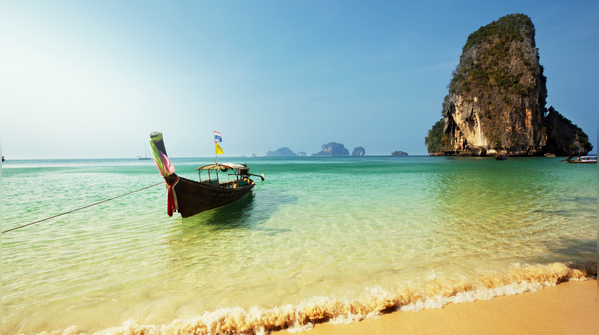
Across the country, there are some underrated islands where ferries run on uncertain schedules, mobile networks disappear for hours, and the biggest activity of the day may simply be walking along an empty shoreline.
Here are some of India’s least explored islands that travellers can legally visit, and why they still feel wonderfully disconnected from mainstream tourism.
Image Credit: Canva
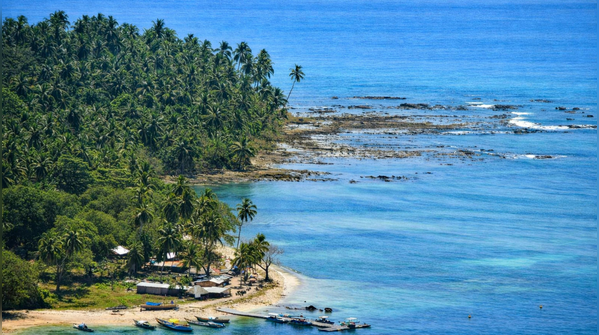
Little Andaman Island, Andaman & Nicobar
About 88 km south of Port Blair, Little Andaman feels like the Andamans before tourism became an industry. Hut Bay, the island’s only real settlement, is where ferries arrive after a seven-hour journey from Port Blair’s Haddo Wharf. There are no luxury resorts waiting at the jetty, just small guesthouses, and quiet roads.
What makes Little Andaman special is its pace. You can rent scooters or shared jeeps and spend days driving between nearly empty beaches, small waterfalls and surf breaks. Butler Bay, especially, has earned a quiet reputation among surfers for its clean waves and low crowds.
Ferries do not run with cruise-like precision, tickets are often released only a few days in advance, and transport is simple. But that unpredictability is also why the island still feels raw and uncurated.
Image Credit: Canva
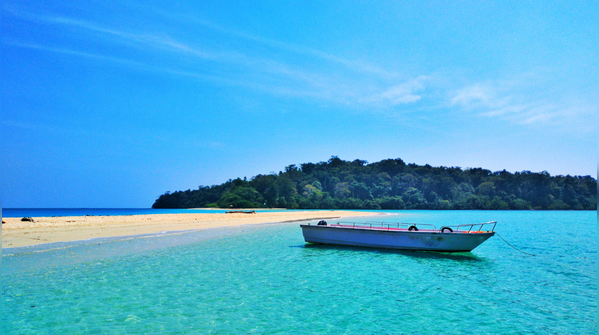
Long Island, Middle Andaman
Long Island is an untouched eco-destination in the North and Middle Andaman district. It is among those places where the absence of things becomes the attraction itself. There are no cars, barely any shops, and only a handful of stay options scattered across the island.
The island can be reached via Rangat in Middle Andaman. Reaching Long Island demands effort as it is over 5 hours long journey from Port Blair. Take the long Andaman Trunk Road journey from Port Blair to Rangat, then board a government boat from Yeratta Jetty. Once there, life slows immediately. Most people walk everywhere through forest trails leading to Lalaji Bay, along quiet village paths or towards mangrove creeks.
For travellers planning Long Island, the key is carrying essentials in advance, cash, medicines and offline maps. Ferries do not run daily, so staying flexible with schedules is important.
Image Credit: Canva
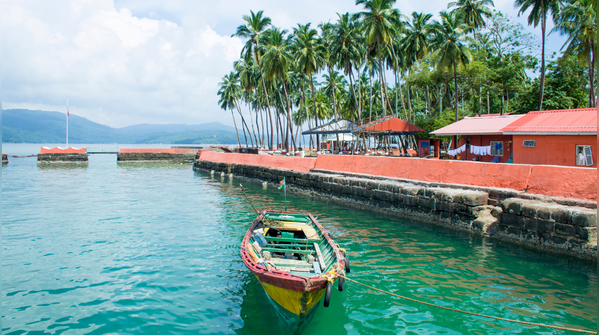
Ross & Smith Islands (Twin Islands), North Andaman
Near Diglipur in North Andaman lie Ross and Smith Islands, the twin islands joined by a natural sandbar that appears and disappears with the tide. Even by Andaman standards, the place feels surprisingly untouched.
Reaching the islands is a journey in itself. Travellers either take an overnight ship from Port Blair or endure a full-day road trip through the Andaman Trunk Road to Diglipur. From there, boats leave Aerial Bay jetty after visitors secure a forest permit.
Because visitor numbers depend on both permits and boat capacity, the islands rarely feel crowded. The sandbar is the main attraction, one side calm and lagoon-like, the other opening into deeper blue waters. Since there is no accommodation on Ross & Smith, travellers usually base themselves in Diglipur.
A practical tip for visitors is to arrive at the permit office early in the morning, especially during peak winter season when boat slots fill faster.
Image Credit: Canva
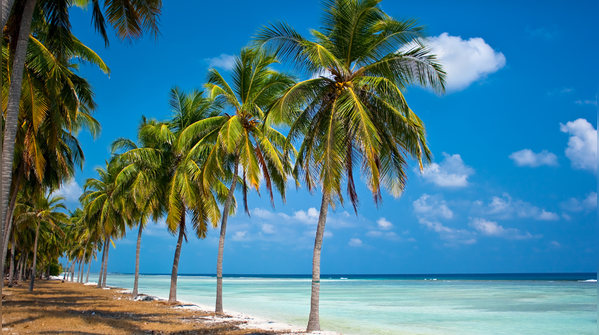
Kadmat Island, Lakshadweep
This island remains far quieter than India’s more publicised beach destinations because entry is tightly controlled through permits. Travellers first need permission through Lakshadweep’s official entry process, usually arranged via authorised operators. From Kochi, they either fly to Agatti and continue by boat, or arrive through ship-based island packages.
What awaits is a long narrow island edged by a calm lagoon on one side and open Arabian Sea on the other. There are very few places to stay, which keeps tourism numbers naturally low. You can spend your time snorkelling directly from shore, taking slow walks along nearly empty beaches.
Planning matters heavily here. Accommodation is limited, permits take time, and inter-island boat transfers depend on weather. Book everything well in advance rather than attempting spontaneous travel.
Image Credit: Canva
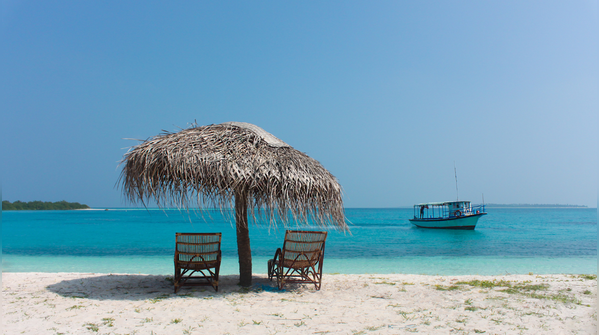
Thinnakara Island, Lakshadweep
This tiny uninhabited island inside the Bangaram atoll lagoon has no towns, no roads and almost no permanent infrastructure beyond a small tented camp.
Getting here involves multiple layers, permits for Lakshadweep, arrival via Agatti or Bangaram, and authorised boat transfers arranged through operators. Independent access is not allowed. But the isolation is exactly the appeal. For overnight guests staying in the tented accommodation, the experience becomes even quieter after sunset.
Travellers should know that connectivity is extremely limited and weather disruptions can affect transfers, so flexible itineraries work best.
Image Credit: Canva
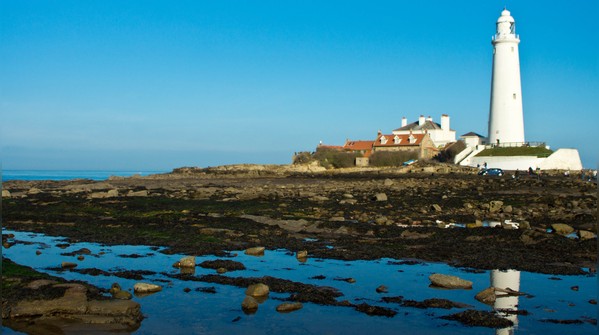
St. Mary’s Islands, Karnataka
Just off Malpe harbour near Udupi, St. Mary’s Islands remain oddly under-discussed outside Karnataka despite being one of India’s most unusual geological sites.
The islands are reached by licensed ferries from Malpe Beach, with the boat ride taking around 30 minutes depending on sea conditions. Since visitors must return by evening, the islands retain a controlled, low-impact atmosphere. What draws people here are the rare hexagonal basalt rock formations rising dramatically from the shore, volcanic structures often compared to formations seen in Iceland or Northern Ireland’s Giant’s Causeway.
There are no resorts or overnight stays, which keeps the experience refreshingly simple. The best time to visit is between October and February, when ferry services are more reliable and the Arabian Sea remains calmer.
Image Credit: Canva
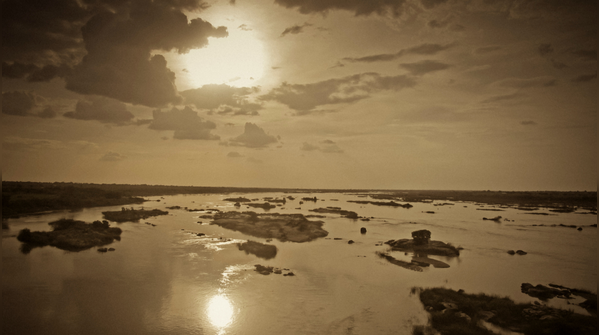
Bhavani Island, Andhra Pradesh
Bhavani Island floats quietly on the Krishna river near Vijayawada, offering an unexpectedly green escape beside one of Andhra Pradesh’s busiest urban centres.
Government boats ferry visitors from the riverbank near Prakasam Barrage to the island, where the atmosphere shifts quickly from city traffic to shaded walking paths and open green spaces. The island is simple rather than luxurious.
It works best as a relaxed half-day escape rather than a destination demanding long itineraries. Since activities are basic and weather can get harsh during peak summer, winter and early mornings are the most comfortable times to visit.
Image Credit: Canva
Featured In lifestyle

