
- News
- lifestyle
- travel
- destinations
- In photos: South India's wildest waterfalls to witness during monsoon season
In photos: South India's wildest waterfalls to witness during monsoon season
In photos: South India's wildest waterfalls to witness during monsoon season
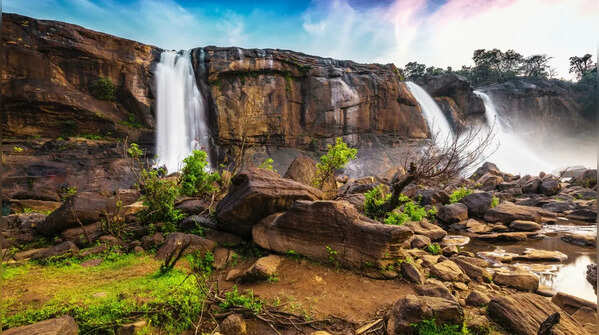
As soon as the monsoon touches down on the southern regions of India, an amazing phenomenon takes place among the Western Ghats’ waterfalls. The streams become raging rapids, the forests fill up with fog and mist, and whole slopes are flooded with falling water. This is the moment when some of the area’s most breathtaking natural phenomena reach their peak. Although some of the listed falls are visited by tourists throughout the year, it is only at this particular period of time that one can get to witness them in all their grandeur – despite the dangers and the risks involved in doing so. Here are some of South India’s most wild waterfalls for the monsoon season.
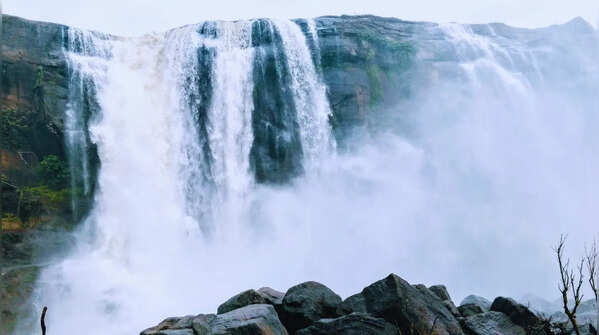
Athirappilly Waterfalls in Kerala
During monsoon season, Athirappilly Waterfalls turn into a raging beast. Being fed by the river Chalakudy, the waterfall spreads out wide during the monsoon season and drops from about 80 feet high with lush greenery around. Apart from the waterfall itself, the forest here is also significant, being included in the zone of Western Ghats that boasts high biodiversity.
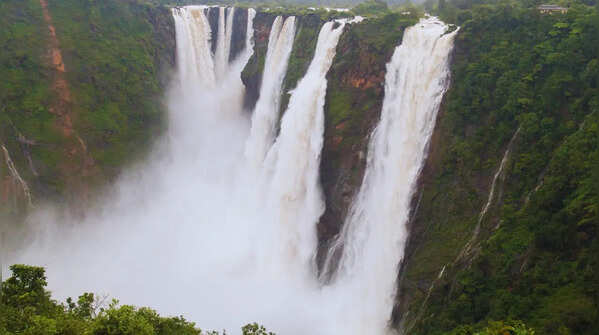
Jog Falls in Karnataka
One of India’s biggest plunging waterfalls, Jog Falls turns on when the monsoon starts. Usually during dry seasons, certain parts of the waterfall may appear less spectacular due to the activities of an upstream dam. However, once the rain hits and flows through, it changes to become a huge and powerful waterfall comprising four different waterfalls—the Raja, Rani, Roarer, and Rocket Falls.
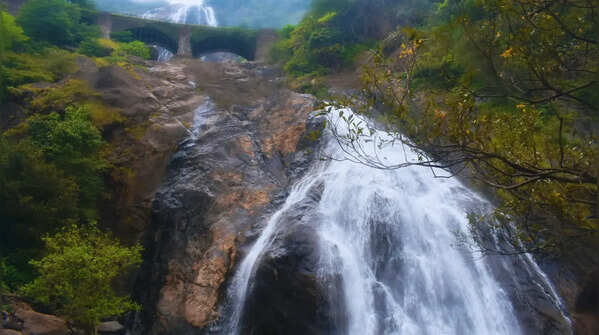
Dudhsagar Falls in Goa–Karnataka border
Dudhsagar Falls derives its fame from its majestic streams of whitewater cascading down through dense Western Ghats forests. It is during monsoon that the falls acquire a grand appearance because of the increased amount of rainfall that fills up the Mandovi River. The unique feature of Dudhsagar Falls is the train bridge that cuts through it; it is usually captured through foggy and turbulent surroundings. The access to the falls may be limited in some instances during monsoon season due to safety reasons.
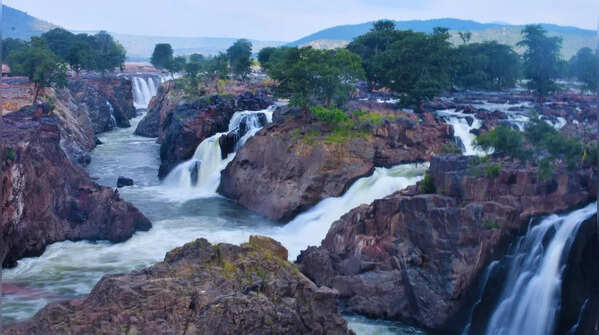
Hogenakkal Falls in Tamil Nadu
The Hogenakkal Falls on the Cauvery River gains prominence due to the heavy rains in Karnataka and Tamil Nadu. The term “Hogenakkal” has an interpretation of “smoking rocks” because of the smoke that is created when the river waters clash against the rocks. With high water flows during monsoon, the waterfalls occupy the entire dark rocky area in an aggressive way.
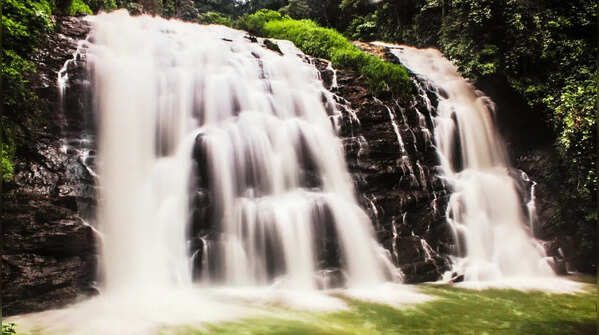
Abbey Falls in Karnataka
Located among the lush coffee plantations and dense vegetation, Abbey Falls can be particularly savage in the monsoon season. As the monsoon season progresses, it changes from a pristine waterfall to a mud-filled waterfall surrounded by mist-filled hill ranges and dense vegetation. The hanging bridge facing the waterfall can provide you with one of the best views; however, the noise of the waterfall may often be louder than people speaking.
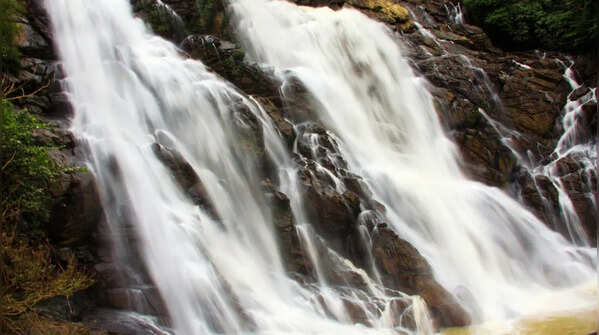
Meenmutty Falls in Kerala
Meenmutty Falls is one of the biggest waterfalls in Kerala and is wild and spectacular in monsoon season. Located in a forest trek at Wayanad in Kerala, the multi-layered falls come from almost 300 meters and run through lush forest terrain. Though trekking might be tough in monsoons due to slippery surfaces, Meenmutty Falls makes it worthwhile to experience one of the most amazing places in South India during monsoon.
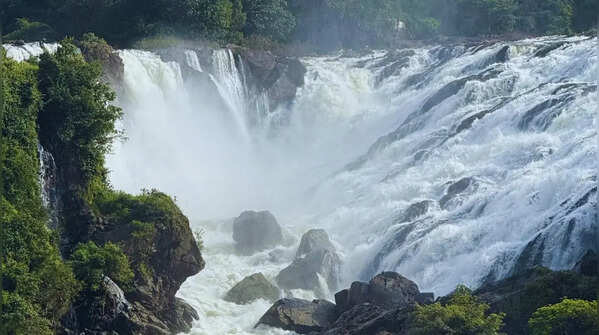
Shivanasamudra Falls in Karnataka
The Shivanasamudra Falls are where the Cauvery River separates into the two highly energetic falls named the Gaganachukki and Barachukki Falls. In monsoon, the river turns into large mud flows that gush over rocky cliffs. It makes a very loud noise which can be heard from a distance.
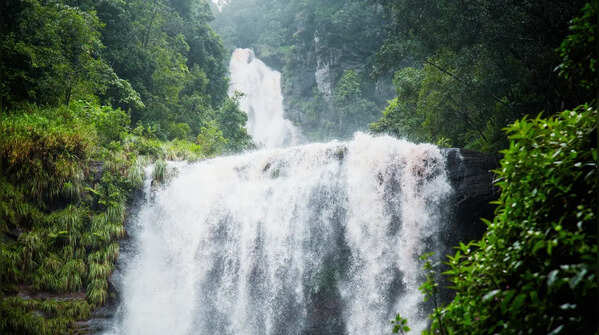
Hebbe Falls in Karnataka
The Hebbe Falls are located within coffee plantations and forests in Kemmangundi. The Hebbe Falls make a lot of noise when the monsoon season arrives. They are a sight to behold.
Featured In lifestyle

