
- News
- lifestyle
- home-garden
- Why the Eastern Hognose snake is called nature's best actor—it plays dead, defecates, vomits and may be living near your home
Why the Eastern Hognose snake is called nature's best actor—it plays dead, defecates, vomits and may be living near your home
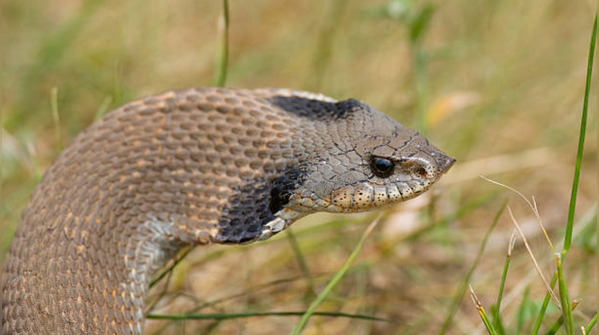
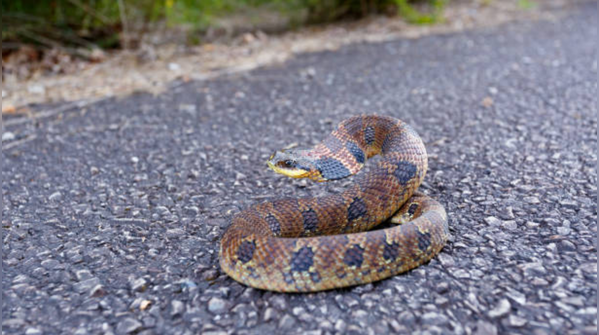
Here’s how to identify the Eastern Hognose snake
If you ever encounter a snake puffing itself up like a cobra or writhing dramatically on the ground with its tongue hanging out, you've probably met an Eastern Hognose snake. These small, thick-bodied snakes have turned defensive theater into an art form. And honestly, the performance is so convincing that people have been fooled for centuries—which is kind of the whole point.
The truth behind the performance
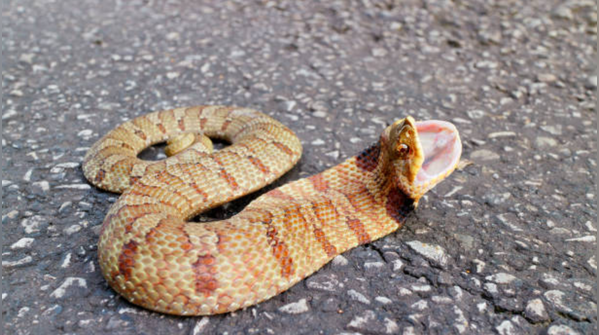
What's wild is that this behavior is ancient. Fossil records suggest this behavior evolved over 50 million years ago. Scientists call it "thanatosis"—basically a trance-like state where the snake's heart rate slows dramatically. It's not an act the snake is consciously deciding to do. It's a survival instinct wired so deep that the snake physically becomes what it's pretending to be. As per the information available on the official website of Commonwealth of Massachusetts, these snakes "can flatten its head and neck and hiss when stressed (to intimidate predators) or "play dead" by lying on its back, vomiting, and defecating (to appear less palatable to predators)."
Act one: The cobra bluff
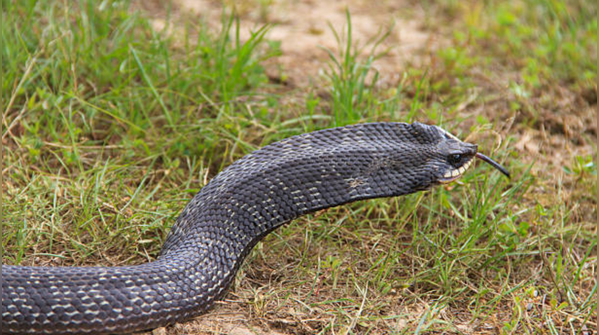
When threatened, the Hognose's first move is pure theater. It flattens its neck into a hood, hisses aggressively, and strikes at you—except it doesn't actually bite. It's a bluff. The snake is literally faking you out, impersonating a cobra well enough to make you second-guess whether you want to mess with it. Researchers call this a "safety behavior." The snake knows it's not particularly dangerous, so it has to act like it is.
If you're not impressed and you keep bothering the snake, that's when things escalate.
Act two: The death scene
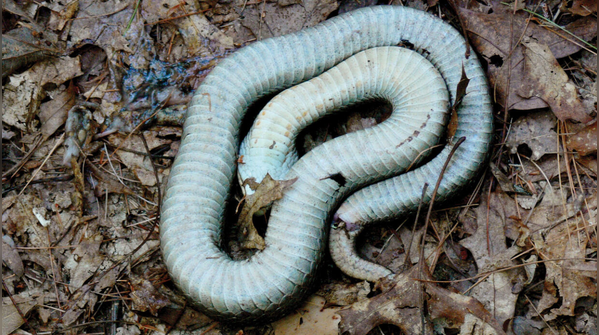
This is where the Eastern Hognose earns its award. If the cobra routine doesn't work, the snake pulls out its final move: it plays dead, and it commits completely. The snake writhes around on its back, rolls over several times, hangs its tongue out like it's been dead for hours, and releases a foul-smelling musk from its rear end. Some snakes really go for it—they'll even vomit up their last meal. The whole point is to look and smell so disgusting that no predator would want to eat you.
Here's the insane part: if you flip the snake back over, it'll go right back into the act. It doesn't jump up and escape. It plays dead again. Commitment to the bit, apparently.
A snout built for drama
The first thing you notice about a Hognose is that upturned snout. It looks almost pig-like, which is where they got their name. They use it to root around in soft soil hunting for toads—their absolute favorite meal. But that snout isn't just built for foraging. It's part of their entire persona. When you combine that distinctive nose with their stocky body and the way they move, they just look like trouble. Which is perfect when you need to convince a predator to leave you alone.
Featured In lifestyle

