
- News
- lifestyle
- travel
- destinations
- 5 Indian beaches where visitors may witness turtle hatchings in April-May
5 Indian beaches where visitors may witness turtle hatchings in April-May
5 Indian beaches where visitors may witness turtle hatchings in April-May
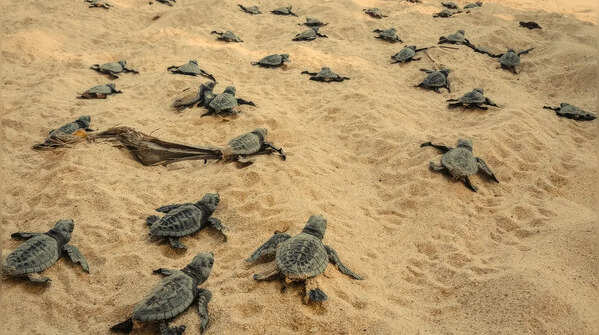
April and May mark some of the most exciting months for wildlife enthusiasts wishing to visit the Indian coastal areas. In some selected beaches, April-May marks the time when sea turtles begin hatching from eggs that were buried some weeks back in the sand. Relying purely on their instincts and the light from the moon, these turtles embark on their first journey towards the sea, a memorable moment for many visitors.
Each year, efforts are made in various beach areas to ensure the safety of the eggs and improve the chances of hatching. Visiting beaches during turtle season offers visitors the opportunity to have a once-in-a-lifetime experience. Nonetheless, it is important to remember that sightings are not guaranteed. The following are five beaches in India where turtle hatchings may be observed.
Velas Beach, Maharashtra
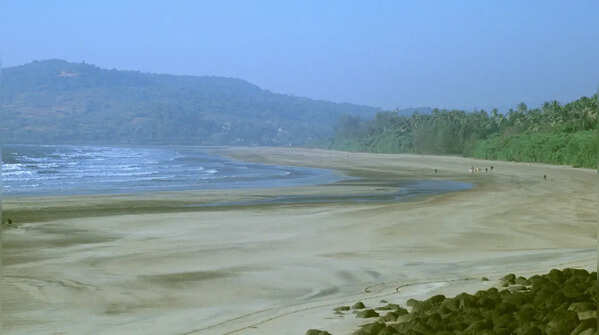
Velas is situated in the Ratnagiri district, located along the Konkan Coast. This area could be considered to be the best site in India for community-based turtle conservation. It was originally a village beach that gained recognition throughout the country due to the efforts made to conserve the olive ridley turtle eggs from natural and man-made threats. The nesting period takes place at Velas, and eggs are usually collected and moved elsewhere if needed. Hatching occurs during March to May, and April is a very active month.
Rushikulya Coast, Odisha
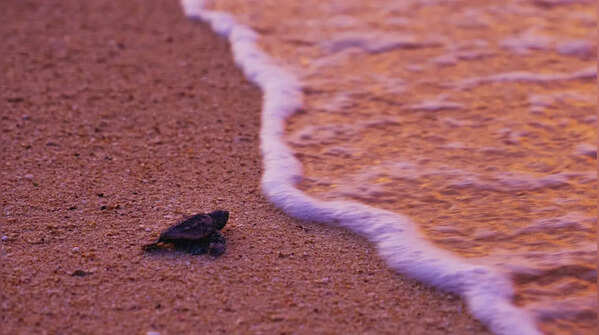
The Rushikulya rookery in Ganjam district, Odisha, is one of the most important nesting sites for the Olive Ridley turtles. The Rushikulya coastline has become famous due to the occurrence of arribadas, which are large-scale nesting congregations, during which thousands of females will come onto the shore for egg laying within a short time frame. Nesting typically occurs during February-March, while hatching may start in April-May. Observing hatching at this site may well prove to be one of the most spectacular events involving sea turtles in India due to the sheer size.
Gahirmatha Coast, Odisha
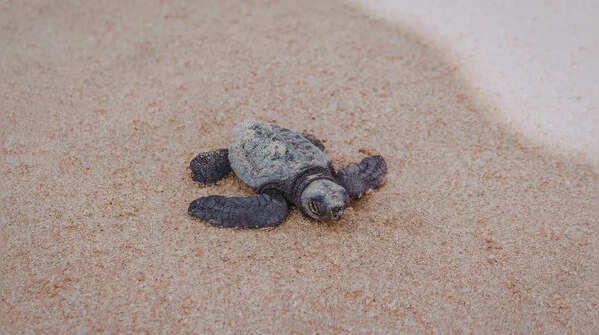
Gahirmatha, situated near the Bhitarkanika National Park, is one of the most important nesting sites and among the largest rookeries for the Olive Ridley turtle. Gahirmatha is certainly not the typical beach for tourists. Most of this site lies under various protected areas/zones, and access may be regulated. Hatchlings emerge depending on seasonal changes, however, visitors should consider this area to be first of all a conservation area.
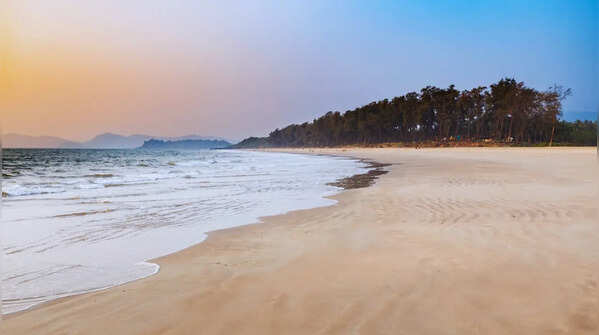
Galgibaga Beach, Goa
For tourists looking for a tranquil side of Goa, Galgibaga Beach in South Goa is where they should head. In contrast to Goa’s lively party beaches, Galgibaga is comparatively tranquil and features turtle nesting activity for the Olive Ridley turtle. Restricted zones of this beach are regulated during the nesting period and turtles can be hatched if the weather permits. Since nesting cannot be predicted, the best way is to keep your expectations in mind and adhere to the conservation zone boundaries.
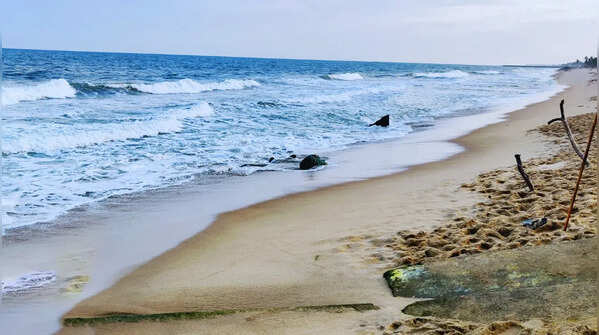
Chennai Coast, Tamil Nadu
The Tamil Nadu coast has several locations where Olive Ridleys come to nest such as Besant Nagar, Neelangarai and further south in the state. Due to problems associated with light pollution and human interference in an urban setting, many environmental agencies have been working on relocating eggs, transporting the nest to safer areas, and releasing the turtles under proper supervision. Such conservation efforts have made Chennai one of the prominent tourist spots of India in marine conservation.
Featured In lifestyle

MORE FROM ETIMES
life & style