
- News
- lifestyle
- travel
- destinations
- Secrets of Kedarnath Temple: 10 fascinating facts every traveller should know
Secrets of Kedarnath Temple: 10 fascinating facts every traveller should know

Secrets of Kedarnath Temple: 10 fascinating facts every traveller should know
Nestled amidst the lofty Garhwal Himalayas, Kedarnath is much more than merely a place of religious significance. Encircled by glaciers, snowcapped mountains, volatile climatic conditions, and ancient legends, Kedarnath temple stands among the most enigmatic and breathtakingly beautiful shrines in India. With its miraculous survival from floods and unique myths, Kedarnath continues to intrigue tourists and scholars to date.
Here are 10 of the most interesting facts about Kedarnath that make it unlike any other temple in India.
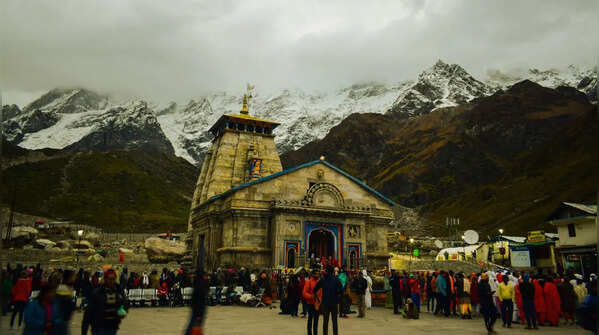
Kedarnath survived the catastrophic 2013 floods
Another surprising aspect of Kedarnath is the fact that it has managed to stand firm even during the floods in Uttarakhand in 2013. As much of the region was completely ruined by the heavy rains, only the temple complex managed to survive. During that period, a huge stone descended behind the temple building and blocked all the floods and debris from reaching the place. At present, the rock is called the “Bhim Shila.”
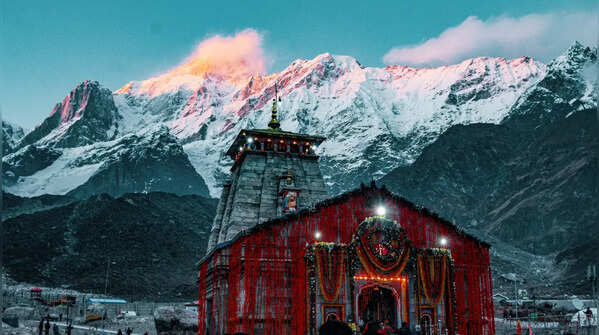
The temple is built at an altitude of over 11,700 feet
Kedarnath temple is situated at 3,583 meters (11,755 feet) altitude above the sea level, which makes it one of the highest temples in India. The surroundings of Kedarnath are unique due to glacial landscapes, snowy mountains, and streams.
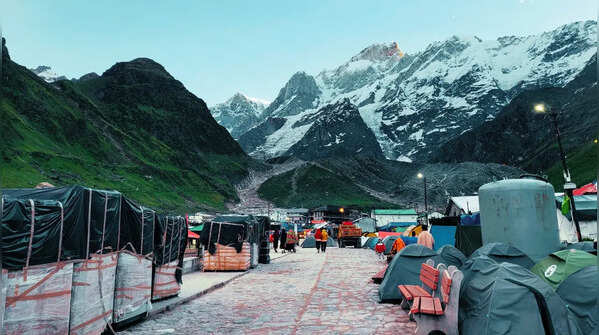
Kedarnath Temple has inspired Bollywood and documentaries
Kedarnath has become a favourite location for filming purposes owing to its Himalayan setting, its spirituality, and its sad history during the disastrous 2013 flood. The popularisation of the shrine in pop culture can be attributed to the Bollywood movie Kedarnath, released in 2018 and starring (Late) Sushant Singh Rajput and Sara Ali Khan. This film, whose events take place during the devastating 2013 floods, exposed younger tourists to the geography and emotions associated with Kedarnath.
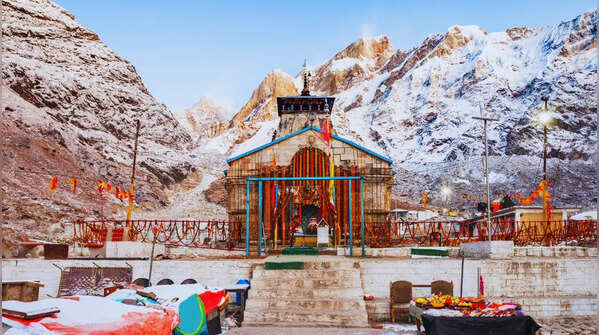
Nobody knows the exact age of the temple
There is very little known about the origin of the temple as a shrine in Kedarnath. According to Hindu beliefs, it originates from the Mahabharata, whereas historians state that it could have been revived in the 8th century by Adi Shankaracharya.
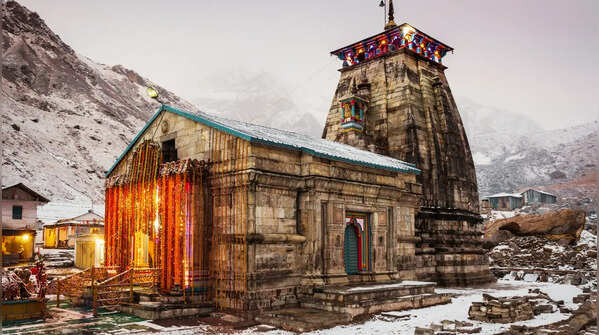
It is one of the 12 sacred Jyotirlingas
One feature that makes Kedarnath an exceptional location is that it belongs to the group of the 12 Jyotirlingas, meaning that it is recognized as a highly sacred temple of Shiva. Tourists from around India make a point of visiting the shrine, considering it extremely religious.
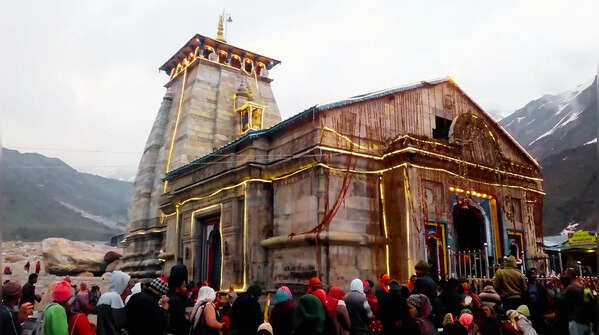
The temple is closed throughout six months each year
Since Kedarnath experiences extremely harsh winters along with heavy snowfall, this area becomes inaccessible during winter. During winter months, the statue of Lord Shiva is transferred to Omkareshwar Temple. The ritual of worship continues till Kedarnath reopens in summer.

Shiva is worshipped in an uncommon form
Unlike most Shiva temples, Kedarnath does not worship a traditional Shiva lingam form. According to mythology, Shiva transformed himself into a bull while avoiding the Pandavas. When discovered, he disappeared into the ground, and the hump of the bull appeared at Kedarnath. This triangular rock form is worshipped inside the temple.
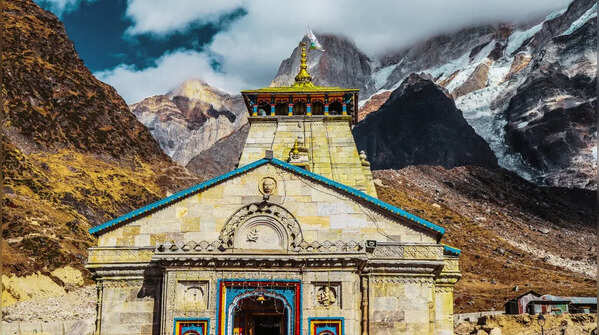
The temple was built using gigantic stone slabs
Construction of this temple still remains a mystery for many. Stone blocks, which fit perfectly into each other, have been used in constructing this shrine in the highly difficult Himalayan conditions without using any sophisticated engineering technology. Resilience of the structure against the earthquakes, cold winters, and floods adds to its uniqueness.

Changes in weather happen very rapidly
In Kedarnath, it rains when the sky was shining earlier, and sometimes hail or fog replaces the sunshine in just a few hours. It is due to the high altitude that the weather changes so quickly and the temperature drops abruptly.
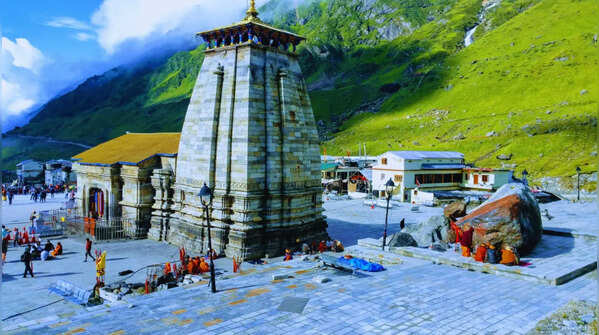
Kedarnath forms a part of two pilgrimage circuits
Kedarnath is one of those few shrines in India which form a part of two important pilgrimage routes; namely the Char Dham Yatra in the Himalayas and the Panch Kedar yatra associated with Lord Shiva.
Featured In lifestyle

