Why do national parks in India close during the monsoon season?
Why do national parks in India close during the monsoon season?
You're Reading


Synopsis
India is home to 106 national parks attracting millions of tourists. The sanctuaries close during the monsoon to support wildlife, habitat, and visitor safety.
Offbeat hill stations in Himachal Pradesh to visit this summer


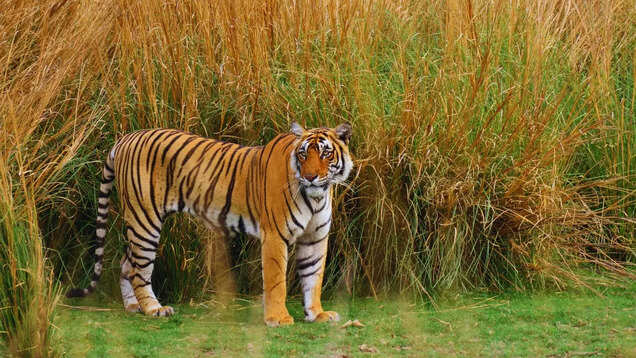
Note: The core zones of all tiger reserves in India are closed for the monsoon season. Some major national parks like Bandhavgarh, Kanha, Tadoba, Pench, Ranthambore among others, are closed from June to September end. However, there are also a number of national parks that stay open throughout the year. It’s interesting to note that some zones of Jim Corbett National Park stay open throughout the year.
It’s no secret that the monsoon season in India brings heavy rains, which can transform the serene landscapes of national parks into treacherous terrains. The roads and trails within these parks often become slippery, flooded, or blocked by landslides, making travel hazardous for both visitors and park staff. The increased risk of accidents is a primary reason for closing the parks during this period.
It is also said that the monsoon season is a critical breeding period for many species in India's national parks. The abundant rainfall and lush vegetation provide ideal conditions for mating, nesting, and rearing young. For instance, tigers, leopards, elephants, and various bird species rely on this season to reproduce and nurture their offspring.
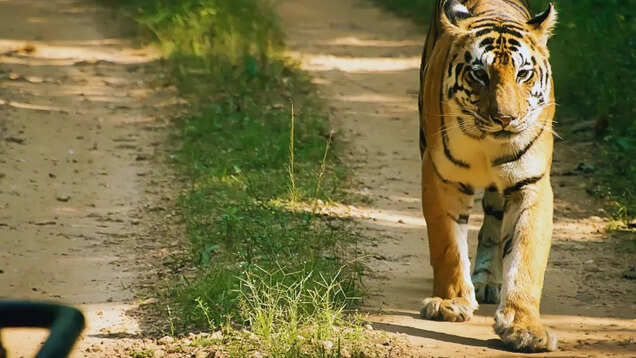
Monsoon rains also play a pivotal role in the ecological regeneration of national parks. The heavy downpours nourish the soil, rejuvenate vegetation, and replenish water bodies, fostering a thriving habitat for all species. During this period, reducing human activity is vital to allow nature to take its course.
Human presence can lead to soil erosion, especially on already saturated ground. Foot traffic and vehicle movement can cause further damage to the delicate ecosystem, hampering the natural regeneration process. By closing the parks, authorities help protect the integrity of the habitat, ensuring that the flora and fauna can flourish once the rains subside.
The monsoon closure also provides an opportunity for park authorities to conduct essential maintenance and repair work. The infrastructure within national parks, including roads, trails, facilities, and safety measures, often requires upkeep to handle the wear and tear from both natural elements and visitor use.
Also read: Exploring the wildlife: 5 best zoos to visit in India with kids
Also read: Mana, Uttarakhand: A look into the First Indian Village
Safari in the rain? No, thank you!
Visiting national parks during the monsoon can often be a less than ideal experience. Heavy rainfall, dense vegetation, and reduced visibility make wildlife spotting difficult. You can’t ignore the pesky bugs too. By closing the parks, authorities help ensure that visitors have a more enjoyable and safer experience when they visit during the dry season. Clearer skies, accessible trails, and abundant wildlife sightings contribute to a memorable and fulfilling adventure in the heart of nature.

closecomments

Be the first one to review.
We have sent you a verification email. To verify, just follow the link in the message
end of article

Visual Stories
10 pretty Indian villages to visit this year-end

8 castles in Germany straight out of a fairy-tale

8 tiger reserves every wildlife enthusiast should visit in India

10 animals that are easily spotted in Ranthambore National Park

How to prepare for a night safari in India?

9 rare animals to spot in the Western Ghats and where to find them



Trending Stories
This is a rare temple in India dedicated to Lord Vishnu’s Matsya (fish) avatar and why it is a perfect spot for religious travellers
8 historic landmarks in Mumbai that are more than 100 years old: Why you should visit them
5 Indian beaches where visitors may witness turtle hatchings in April-May
European woman asks villagers in Haryana for help as she wanted a place stay at night and this is how they responded
Jammu–Srinagar Vande Bharat Express set to launch on April 30; travel time cut to 5 hours




Comments (0)