The bronze Shiva of the Chola dynasty
The bronze Shiva of the Chola dynasty
You're Reading


Synopsis
Also known as the ‘Bhikshatanamurti’, it depicts Shiva in severe and wild mood—an unusual representation of ‘the destroyer’ in itself, since he is normally represented meditating peacefully. His attitude here is due to his having … Read more
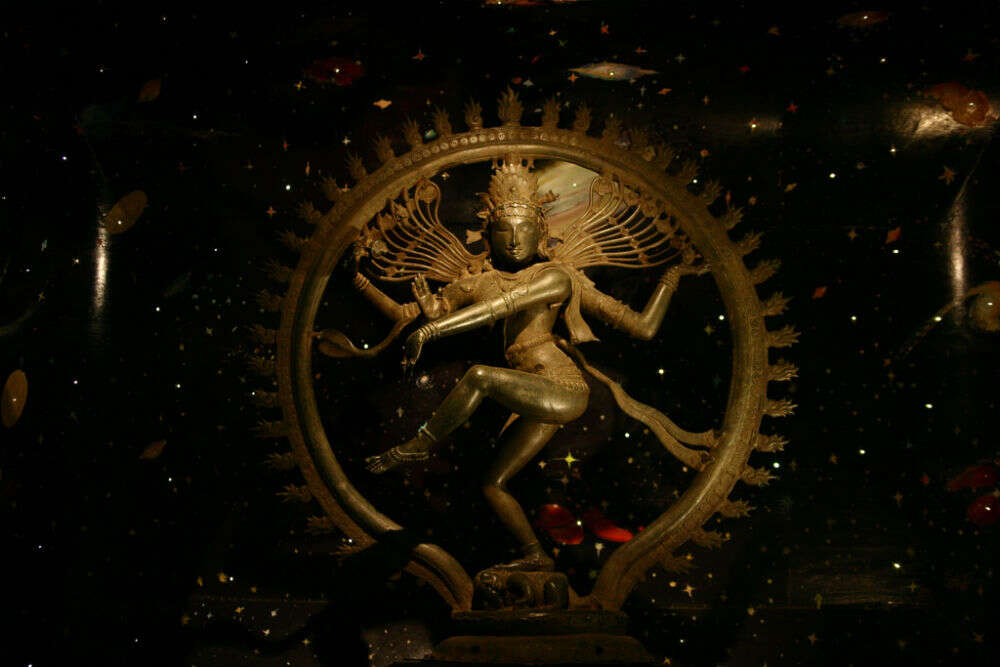
The Chola dynasty (9th to 13th century) was one of the wealthiest in southern India, and much of its wealth was used in the advancement of the arts, from reams of beautiful Tamil literature to awesome architectural works and technically advanced sculptures and paintings. The bronze sculpture of Shiva at the Royal Museum in Tanjore, one of a collection of four hundred, is representative of the peak of sculptural achievement in this most creative period in Tamil artistic history. Also known as the ‘Bhikshatanamurti’, it depicts Shiva in severe and wild mood—an unusual representation of ‘the destroyer’ in itself, since he is normally represented meditating peacefully. His attitude here is due to his having become a tormented, wandering beggar in search of peace, after cutting off one of Brahma’s five heads in anger, as revealed in the Hindu stories of the Trimurti.

closecomments

Be the first one to review.
We have sent you a verification email. To verify, just follow the link in the message
end of article
Next story
The Great Stupa
Visual Stories

10 pretty Indian villages to visit this year-end
8 castles in Germany straight out of a fairy-tale

8 tiger reserves every wildlife enthusiast should visit in India

10 animals that are easily spotted in Ranthambore National Park
How to prepare for a night safari in India?

9 rare animals to spot in the Western Ghats and where to find them


Trending Stories
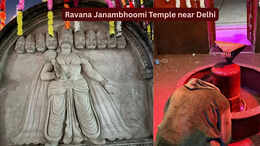
Not Sri Lanka, but this Indian village is believed to be Ravana’s birthplace: Why I’d visit this temple again and again
Travel alert: From heat wave in Rajasthan to heavy rain in West Bengal and Northeast—what to expect
Why May is the best time to visit the “Mango City of India” and how to reach here
UNESCO-recognised rail wonders of India and why they’re among the world’s most unique train experiences
Mumbai vs Delhi: Why this Canadian traveller rated one city "0" and the other “100”



Comments (0)