Parsi history and Fire Temple
Parsi history and Fire Temple
You're Reading


Synopsis
I visited one of the Parsi families (Shapur Oliaji, Freny Oliaji and Hormaz Oliaji) for a meal and conversation during my stay in Daman. Parsi community, which is the follower of Zoroastrianism, initially landed at the port of San … Read more
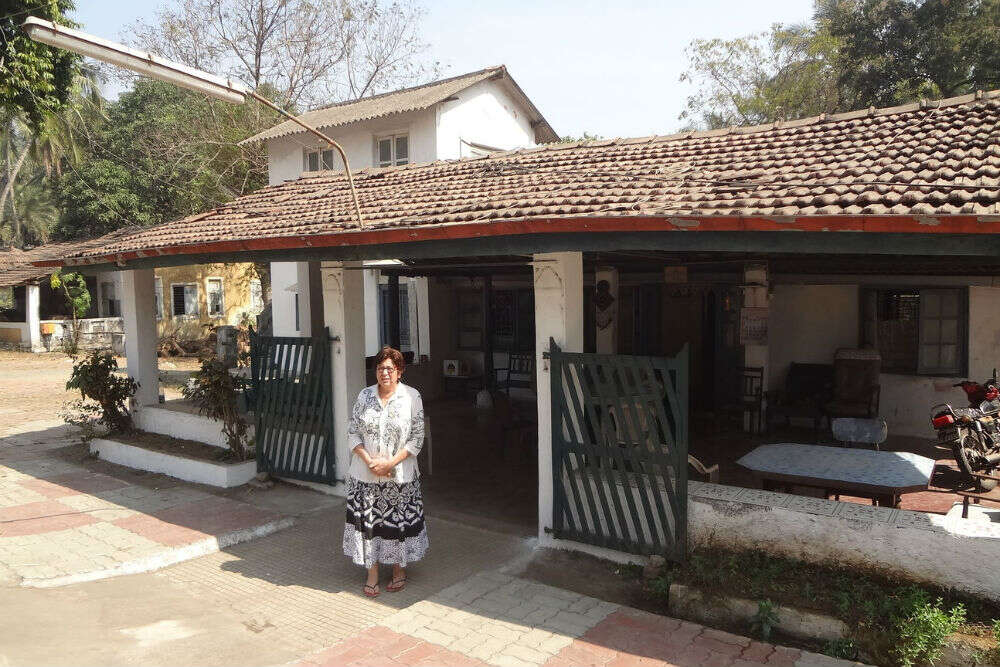 I visited one of the Parsi families (Shapur Oliaji, Freny Oliaji and Hormaz Oliaji) for a meal and conversation during my stay in Daman. Parsi community, which is the follower of Zoroastrianism, initially landed at the port of Sanjan, India after their persecution in Persia (ancient Iran) by Muslim invaders in 8th and 10th century AD. They initially settled in Diu. According to Qissa-i-Sanjan, the only official account of Parsi migration and settlement in India, the community was allowed to settle here by the then Hindu ruler Jadi Rana on three conditions – they will speak local language, their women will wear local dress (Saree) and they will not carry any weapons.
Over centuries, the enterprising Parsi community has contributed immensely to the Indian economy. But today they are a minority and dwindling at a fast pace. International movements like ‘Jiyo Parsi’ were launched to encourage more offspring, but have met with little success. Over the conversation table with the head of family, Mr. Shapur Oliaji, we talked about the family’s house that is probably the only house still built in traditional style in this area. You might want to stop by at Duke’s restaurant, that the family (originally started by Oliaji’s grandfather Nariman) runs just across the road and taste Patra no matchi and Dhanshak chicken, the traditional Parsi food cooked on firewood. About 14 km from Duke’s restaurant is the small town of Udvada with a bit larger Parsi population and one of the most sacred fire temples of India (Udvada Atash Behram).

closecomments

Be the first one to review.
We have sent you a verification email. To verify, just follow the link in the message
end of article
Next story
Devka and Jampore beaches
Visual Stories
10 pretty Indian villages to visit this year-end

8 castles in Germany straight out of a fairy-tale
8 tiger reserves every wildlife enthusiast should visit in India

10 animals that are easily spotted in Ranthambore National Park
How to prepare for a night safari in India?

9 rare animals to spot in the Western Ghats and where to find them


Trending Stories
Travel warning across these Indian states as IMD forecasts storms, hail and heat wave conditions
10 best UNESCO spa towns of Europe where people visit for wellness and healing
Kolkata Police issues traffic advisory ahead of historic oath ceremony at Brigade Parade Ground; what travellers need to know
4 most hostile natural places on Earth — and why tourists still visit them
8 most uniquely designed passports in the world




Comments (0)