
- News
- Science News
- Catalhoyuk: 9,000-year-old city ruled by women, DNA reveals story of matriarchal civilization
Catalhoyuk: 9,000-year-old city ruled by women, DNA reveals story of matriarchal civilization
Genetic analysis of skeletons at Catalhoyuk, a Neolithic settlement in Turkey, suggests a matriarchal society where women were central figures. Maternal lineage shaped family organization, with women remaining in their households while men married in. Furthermore, women's graves contained significantly more goods, indicating elevated social roles and challenging assumptions about early human societies.
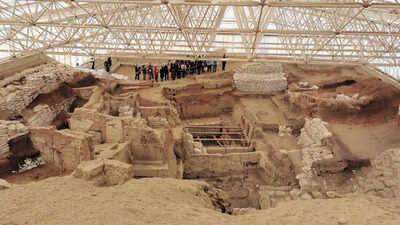
Women at the centre: genetic evidence of female-led households
Rethinking ancient power structures

About the Author
TOI Science DeskEnd of Article
Follow Us On Social Media
Hot Picks
Top Trending
Explore Every Corner
Across The Globe
Mitch MarnerDwyane WadeBlake LivelyHailee SteinfeldTyler WallTaylor SwiftPatrick MahomesTrey HendricksonGlobalisation 2.0Top stocks this weekPLI schemeZohran MamdaniIsrael Iran NewsH1B VisaShivon ZilisMahua MoitraKolkata college rapeLawrence Bishnoi InterviewIndian Railways NewsSenator Thom TillisCoeur d'aleneTrump TariffsThom TillisSocial Security payment scheduleStefon DiggsKayDianna GarzaPatrick MahomesDave ParkerIdaho ShootingIndus water Treaty
Hot on the Web
Paresh RawalBetta FishHeart HealthLiver Disease SymptomsVitamin D DeficiencyKannappa Movie ReviewLargest CrocodilesColon Cancer SymptomsMaa Box Office CollectionAmitabh BachchanHeart Health MedicationsHeart HealthMaa Movie ReviewDipika KakarPanchayat 4 ReviewSalman KhanHigh Uric AcidIsha KoppikarTop National ParksColourful BirdsKannappa ReviewBeetroot DishesKannappa Box Office CollectionKuberaa Box Office CollectionStroke SymptomsFamous Mausoleums IndiaSitaare Zameen Par Box Office CollectionKumar VishwasBengaluru TravelWonders Of The WorldFoods That Makes youngerBest Romantic AnimeHigh Blood Sugar In MorningBlack Mamba FightWorld Richest ManSimpson PredictionBad Breath CausesMicrosoft Sued By AuthorsNikhil KamathGauranga DasCastor Oil BenefitsGeneral Motors Recalls
Trending Topics
Indian Origin CEOsNZ Direct Student VisaCUET UG Result 2025ICAI CA Final ResultR PraggnanandhaaSanjana GanesanChennai Super KingsSanjay ManjrekarRohit SharmaFAF Du PlessisKarnataka PUC ResultTaylor Swift OutfitTravis KelceAaron RodgerJabari Smith JRKayla NicoleSarbina CarpenterWho is Alex FormentonConnor McdavidPakistani Couple Death NewsLawrence Bishnoi InterviewNavi Mumbai New Born Body FoundJagannath Puri StampedeCoimbatore Bus FireMumbai DemolitionTelangana AccidentOperation Muskaan XiKolkata Rape CaseManojit MishraBengaluru MurderVitamin D DeficiencyPassport SevaNYT ConnectionsWordle Today HintsElon MuskMasayoshi SonBest Foods For EyesightUS VisaBill GatesSam AltmanMagic The GatheringJeff Bezos
Popular Categories
HeadlinesSports NewsBusiness NewsIndia NewsWorld NewsBollywood NewsHealth+ TipsIndian TV ShowsTechnologyTravelEtimesHealth & FitnessNFLIntel The Learning CurveIndia vs EnglandAstrologyWeather TodayPlatinum Rate TodaySilver Rate TodayGold Rate TodayDelhi AQI TodayJune Bank HolidaysPublic Holidays in JuneStock Market HolidaysNSE HolidaysBSE HolidaysTechnology NewsInternational SportsPublic HolidaysBank Holidays
Latest News
IND vs ENG: All eyes on Jasprit Bumrah's workloadWimbledon 2025: All England club introduces 10-minute cooling breaks with mercury soaring to 147-year high on Day 1acVijay Deverakonda recalls his big break: Picked from 16,000 applicants for 'Life is BeautifulWatch: 5-storey building collapses in Shimla; no casualties reported40-year-old Hyderabad techie goes missing from home‘Sitaare Zameen Par’ beats ‘Ghajini’ to Become Aamir Khan’s 6th Biggest Hit at the Box OfficeShefali Jariwala’s demise: Paras Chhabra shares a video from last Ganesh Chaturthi with the late actress; says, “Agla saal ab kabhi nahi aayega”Ayush Shetty, Tanvi Sharma advance into US Open badminton finalsAdani Enterprises bond plans: Draft filed for Rs 10 billion issue; Greenshoe option of Rs 5 billion includedKarnataka PUC 2 exam 3 result 2025: Here’s when and how to check KSEAB 12th supply scoresPaul Walker could return – Fast and Furious, know moreBTS’ Jin's solo tour begins! Videos from the concert go viral – BTS RM wins hearts all over again12 injured in bus-dumper head-on collision in PrayagrajTelangana health dept extends contract for 16k posts, concerns over unpaid salaries raised by junior doctorsHow billionaires' fortunes have changed in the first half of 2025Wimbledon’s youthful buzz: Smelling of teen spirit ahead of the ChampionshipsTaurus Monthly Predictions for July 2025: Embrace peace, heal deeply, and grow wiselyTrump’s tariffs: Why Canadians are saying ‘elbows up’ -- this time with a hint of sarcasm
Copyright © 2025 Bennett, Coleman & Co. Ltd. All rights reserved. For reprint rights: Times Syndication Service