
- News
- Science News
- 13 Full moons of 2026: Here are their dates and names
13 Full moons of 2026: Here are their dates and names

13 Full moons of 2026: Here are their dates and names
There is something quietly magical about a full moon. It happens every month without fail, yet it never feels like an ordinary occurrence. In 2026, the night sky will feature not twelve, but thirteen full moons. These have been given various names based on different factors like seasons, folklore, and memory. From the icy stillness of January's Wolf Moon to December's Cold Moon, this photostory will take you through all of 2026's full moons, combining astronomy and folklore, and encourage you to look up at the sky above.
Astronomical records have confirmed that there will be thirteen full moons in 2026, including a rare blue moon in May. These have been given different names based on various factors like seasons and folklore.
Image: Canva
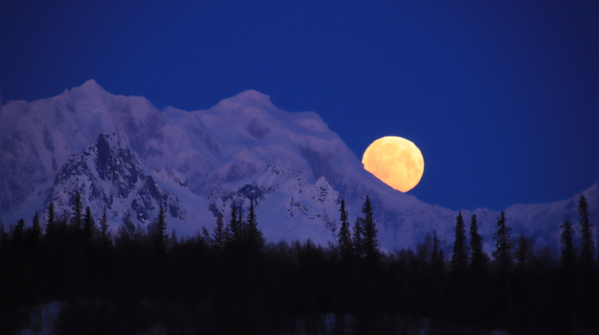
Wolf Moon (3 January 2026)
Above, a cold sky stretches out, and the Wolf Moon rises with quiet authority. As per Old Farmer's Almanac, it’s named after the nights when wolves howled outside the village boundaries during the winter season. These names, according to traditional records, “come from Native American, Colonial American, or other traditional sources.” The moon feels both distant and human.
Image: Date and Time
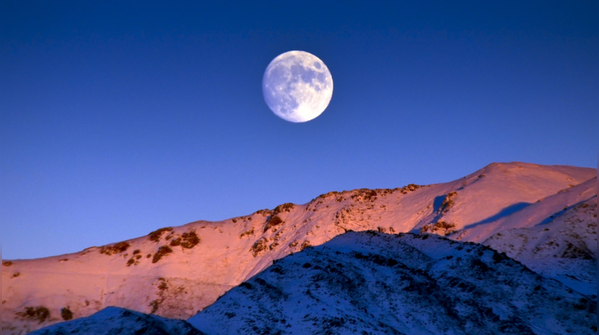
Snow Moon (1 February 2026)
The Snow Moon shines with a soft light over the frost-covered fields, reminding one of the heavy snowfalls that this time of the year often brings. As has been explained in the lunar calendar and also explained by the BBC, the full moon that February brings is a reflection of the hardships that this time of the year brings. The soft light that this moon brings is a reflection of the stillness that winter brings, a time when the world slows down and focuses on survival.
Image: Date and Time
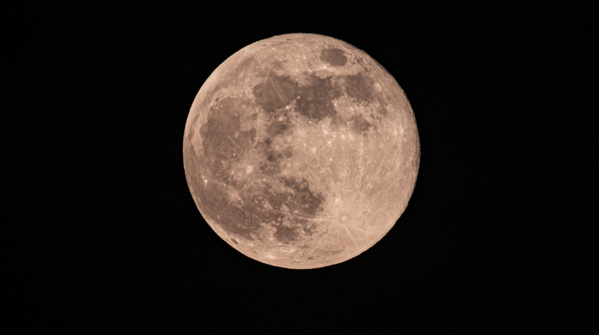
Worm Moon (3 March 2026)
With the Worm Moon, the earth begins to stir again. Traditionally linked to thawing soil and the return of earthworms, it signals early spring. According to Date and Time as well as astronomically, this moon will coincide with a total lunar eclipse in 2026, turning it into a striking “blood moon” for a brief time.
Image: Wikipedia
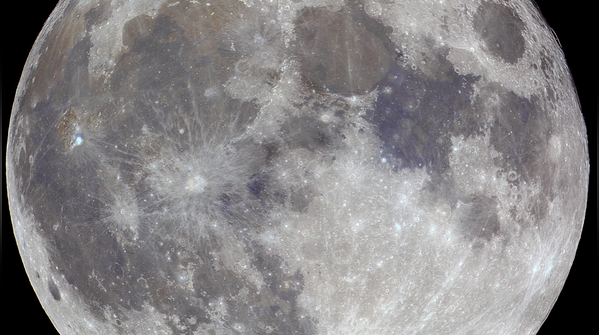
Pink Moon (1 April 2026)
As per Farmer’s Almanac, despite its name, the Pink Moon does not actually shine pink. Rather, it commemorates the blooming of early spring flowers, wild phlox being an example. The idea is that the changing names are related to ecological changes, not the actual colours. It is almost as if the Pink Moon is a way to celebrate the renewal of nature, as the world begins to colour itself once more.
Image: Wikipedia
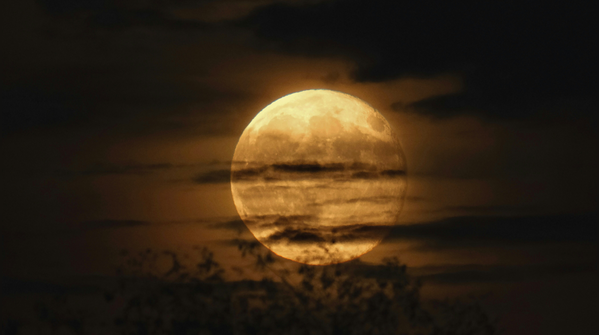
Flower Moon (1 May 2026)
According to The Sky Live, the Flower Moon comes in full bloom, just like the flowers in nature. It symbolises fertility, growth, and life in their fullest form. The ancient naming scheme was heavily influenced by agricultural cycles.
Image: Canva

Blue Moon (31 May 2026)
This is a rare occurrence of the Blue Moon, which is simply the second full moon in a single calendar month. The Earth Sky says, this Blue Moon reminds us that the passing of time is not always as certain as we may believe it to be. Astronomers define the Blue Moon as an occasional event caused by the moon’s 29.5-day cycle.
Image: Time and Date
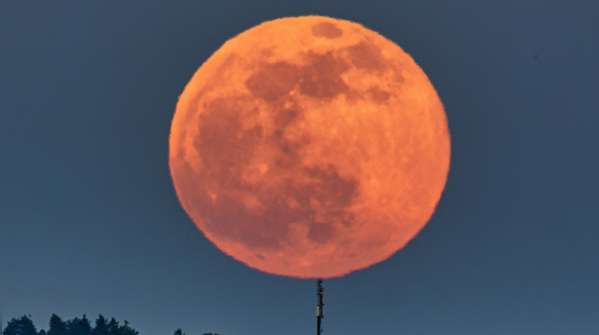
Strawberry Moon (29 June 2026)
As Lunaf states, the Strawberry Moon is soft and golden, echoing the brief harvest time for strawberries. Its name is derived from agricultural rather than chromatic associations. The Strawberry Moon is a reminder to appreciate the sweetness that does not last long.
Image: Wikipedia
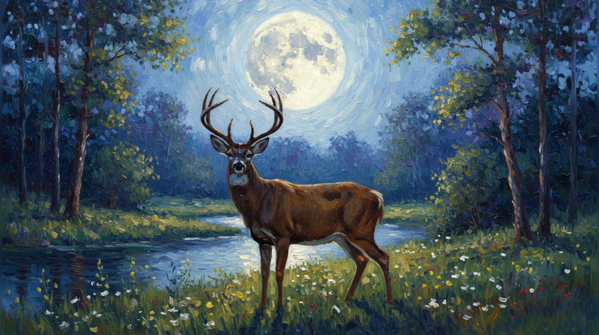
Buck Moon (29 July 2026)
The Buck Moon rises strong and steady, named after the time when male deer start to regrow their antlers. As per the Sky Live this moon name represents quiet strength and the natural world. Moon names often reflected the natural world, which gave us insight into the natural world.
Image: AI Generated
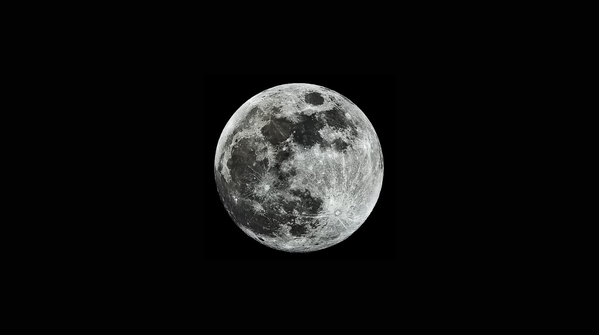
Sturgeon Moon (28 August 2026)
This moon is called the Sturgeon Moon because of the sturgeon fish caught during this period. According to the Old Farmer's Almanac, this moon will occur on 28th August 2026 and will be a partial lunar eclipse. It will look slightly shadowy. This moon acts like a bridge between summer and autumn.
Image: Wikipedia
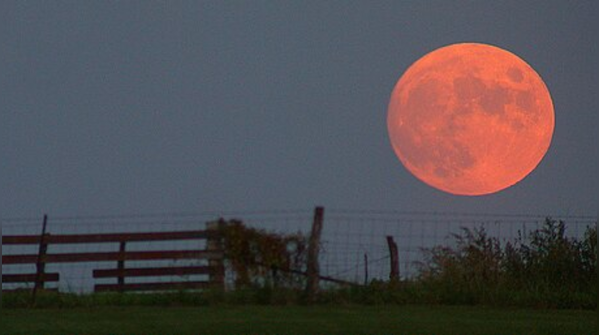
Harvest Moon (26 September 2026)
The moon is full and bright and has traditionally helped farmers extend the hours of the day after sundown. This moon is the full moon closest to the autumnal equinox and is traditionally associated with the harvest season and feeling thankful, states the Asian Community and Cultural Center. This moon is purposeful and liberal in nature.
Image: Wikipedia
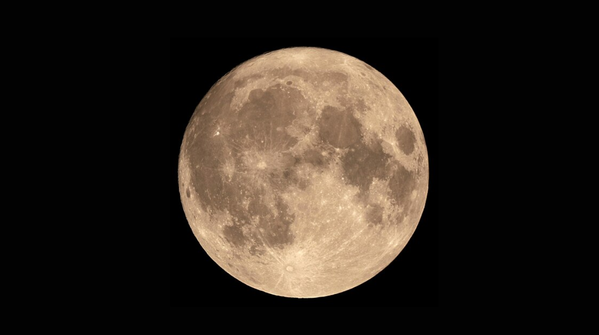
Hunter’s Moon (26 October 2026)
Hunter’s Moon appears after the harvest and thus represents a period of preparation. After the harvest, this moon helped people hunt animals. References to the Hunter’s Moon can be traced back to the early days of European settlers. This moon represents a period of preparation before winter begins.
Image: Canva

Beaver Moon (24 November 2026)
This moon represents the time of the year when beavers prepare their homes for winter. This moon symbolizes the quality of being industrious and surviving. As on Lunaf, traditionally, the moon and the people’s lives were closely linked with animal behavior and environmental changes.
Image: Wikipedia
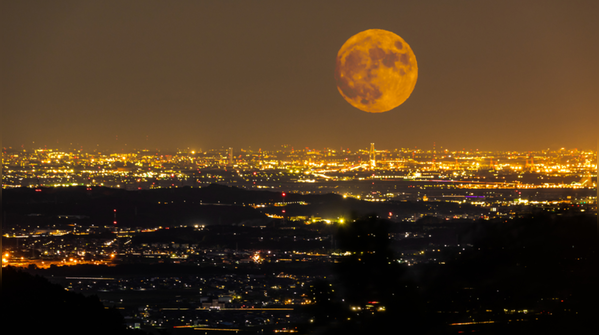
Cold Moon (23 December 2026)
The last full moon of the year, the Cold Moon, lights the long nights of winter. The name embodies the feeling of the coldness of December. As the year comes to a close, there is a reflective feeling, an ending but also a promise of new beginnings.
Image: Canva
Featured In Science

