
- News
- Relationships News
- 7 signs your partner isn’t in love with you anymore
7 signs your partner isn’t in love with you anymore
Signs your partner is losing interest in you
Relationships don't always end with a door-slamming fight. More often, they go out like a slow-burning candle. You’re still sharing a bed and a Netflix account, but the "vibe" has shifted from a warm home to a drafty hallway. It’s a lonely place to be—loving someone who is physically there but emotionally miles away. Recognizing these subtle fades isn't about being pessimistic; it’s about trusting your gut so you can stop wondering if you’re just "imagining things."

The Emotional "Steel Wall"
When love starts to leak out, the first thing to go is the deep stuff. You’ll notice that the vulnerable midnight chats and the "guess what happened today" texts start to dry up. They stop being your "safe harbor" and start acting like a polite acquaintance. If you try to bring up a fear or a dream, they might give you a one-word answer or a distracted "that’s nice." It’s a subtle form of emotional ghosting where they’re still in the room, but they’ve taken their heart off the table.

The Death of the "Just Because" Effort
Love lives in the small, unnecessary details—knowing exactly how you like your coffee or picking up that specific snack you mentioned once. When a partner checks out, that "extra mile" feels like a marathon they don't want to run. You’ll find yourself doing 90% of the heavy lifting: planning the dates, remembering the anniversaries, and initiating the "we should talk" moments. When someone stops trying to please you, it’s usually because they’ve stopped valuing the reward of your smile.

You’re an "Option," Not a Participant
In a healthy "us," lives are messy and intertwined. But when feelings fade, they start building a fence around their world. Suddenly, they’re making weekend plans without checking in, or you’re hearing about their big career news from a mutual friend. If you feel like a guest in their life rather than a co-author, it’s a major red flag. They’re essentially practicing what life looks like without you before they actually make the exit.
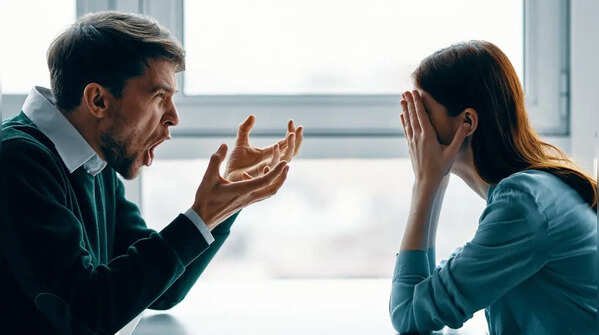
Everything You Do is an Irritation
Remember when your "quirks" were cute? When love disappears, those same quirks become "annoying habits." You might feel like you’re walking on eggshells because your simplest needs—like asking for a hug or a bit of help with the dishes—are met with an eye-roll or a sharp remark. This coldness is often a defense mechanism; they’re frustrated by the obligation of the relationship, and that frustration leaks out as constant, low-level criticism of who you are.

The Accidental "No-Touch" Zone
Physical affection is the body’s way of saying "I’m here with you." When the emotional connection snaps, the physical one usually follows. It’s not just about sex; it’s the lack of a hand on your back as they walk past, the way they pull away when you try to cuddle, or the fact that they always seem to have a "headache" or "work to do" when it’s time to be close. When touch feels like a chore, the body is usually just catching up to what the heart already knows.

The "Silent" Interest Gap
True love is naturally curious. It wants to know how your meeting went, what you’re thinking about, and why you’re suddenly obsessed with that new hobby. If your partner has stopped asking "Why?" or "How?", they’ve basically turned off the receiver. You might spend an entire evening talking to them only to realize they didn’t hear a word you said. It’s a quiet, devastating message: your internal world just isn't their priority anymore.

The "I" vs. "We" Shift
Pay attention to how they talk about the future. Do they say, "I’m thinking of moving cities," or "I want to go to Japan next year"? In their head, they’ve already moved out. They’re planning their life on a solo timeline and "forgetting" to pencil you in. When someone stops using "we" in their long-term vision, it’s because they’ve already mentally checked out and are just waiting for the right moment to make the physical break.
Featured In Relationships

