
- News
- Relationships News
- 7 hard truths we all learn too late in life (But can use right now)
7 hard truths we all learn too late in life (But can use right now)

Things people learn too late in life
Ever find yourself thinking late at night, "Why didn't anyone tell me this sooner?" Well, some of the greatest lessons in life rarely come with a user manual. They're whispered through heartbreaks, missed shots, and quiet reflections. These seven truths—gleaned from psychology, regrets of the dying, and real talk from folks who've been there—hit hardest when we're young and invincible. The good news? Learning them early can help turn pitfalls into power. Here we list some life lessons people often learn late in life:

Life isn't fair—Stop expecting it to be
We grow up hearing "work hard, win big," but reality slaps differently. Talented people flop while the lucky skate by. So, quit whining about unfair bosses or bad breaks. Fairness is a myth—mastery is your move. Regret fades when you accept people and situations as they are, and adapt yourself accordingly.

Everything is temporary—Joy, pain, all of it
That soul-crushing job? The dream promotion? Gone in a flash. Buddha called impermanence anicca—science agrees via entropy and brain scans showing emotions peak fast. Terminal patients' top regret? "I wish I'd enjoyed the moment." A breakup feels eternal at 25; laughable at 35. The life lesson here is to savour the highs without clinging, and accept the lows without despairing.

The biggest risk is taking no risk
Playing safe feels secure—be it a steady job, following the same routine—until you wake up at 60 with unfulfilled dreams. Warren Buffett warns: "Risk comes from not knowing what you're doing." Comfort zones kill curiosity; calculated risks spark growth. So, stop fearing failure. Start small: Pitch that idea, ask for the raise, and travel solo.

The way you treat yourself sets the tone for everyone else
Self-respect is magnetic; self-neglect invites doormats. Boundaries signal value—psychology's self-fulfilling prophecy. If you treat yourself poorly (endless scrolling, junk food, thinking "I'm not enough")?, others will mirror it too. Flip the script by saying no unapologetically, celebrating your wins, or hitting the gym. Love yourself fiercely; watch the world upgrade its treatment.

Family is the anchor—Friends are the waves
Friends light up youth—parties, adventures—but fade with moves, jobs, kids. Family? Your unbreakable tether through storms. Dying regrets often lament: "I prioritized work/friends over family." Longitudinal studies (Harvard Grant Study, 80+ years) prove relationships predict happiness—blood ties top friends for longevity support.
Doesn't mean ditch pals; recalibrate. Call Mom weekly, forgive sibling spats.
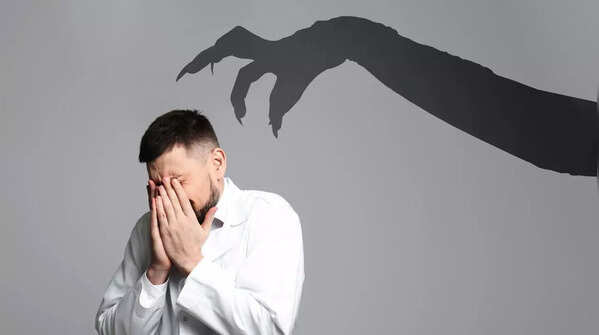
Behind anger lies fear—Unpack it to unlock peace
That road-rage flip-out? Yelling at a spouse? Rarely pure fury—peel back: Fear of loss, failure, vulnerability. Emotional intelligence pioneer Daniel Goleman notes anger as a "secondary emotion," masking hurt or anxiety. Therapy data: 90% of rage traces to fear (abandonment, inadequacy). Pause next blow-up: Breathe, ask "What am I scared of?" Journal it—diffuses bombs. Leaders master this: Mandela turned prison anger into reconciliation. Decode your fire; reveal the frightened kid beneath. Empathy—for self and others—extinguishes flames.

People aren't obsessing over you (Spotlight illusion)
You bomb a presentation? Spill coffee on your shirt? World ends, right? Nope—psychologist Thomas Gilovich's "spotlight effect" proves we overestimate judgment.
Social media amplifies paranoia—"everyone saw my story." However, the truth is: People fixate on their insecurities. Free yourself: Own mistakes publicly, laugh first. Less rumination, more living. You're not the main character in their feed—you're a blip. Exhale; shine anyway.
Featured In Relationships

