
- News
- Relationships News
- 5 timeless love poems by late Harivansh Rai Bachchan that capture the beauty of true love
5 timeless love poems by late Harivansh Rai Bachchan that capture the beauty of true love
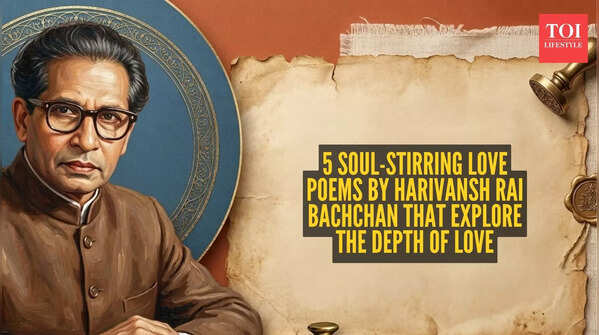
5 Iconic love poems by Harivansh Rai Bachchan that define romance
If you’ve ever sat alone at 2 AM with a heavy heart, you’ve probably realized that Harivansh Rai Bachchan wasn’t just a "poet", he was someone who understood the messy, beautiful, and sometimes exhausting reality of being human. His take on love isn't about cheesy Bollywood tropes; it's about the grit and the grace it takes to keep your heart open.
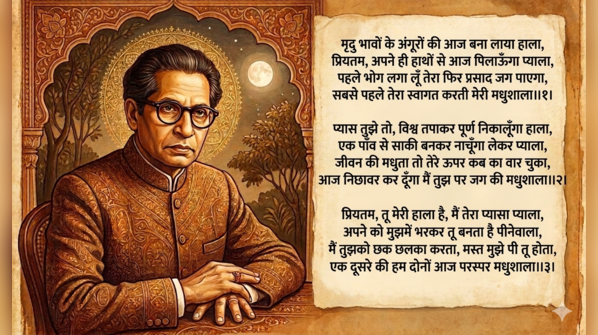
The "Drunk on Life" energy of Madhushala
Everyone knows Madhushala. At first glance, you’d think it’s just about wine and taverns. But honestly? It’s a metaphor for the intensity of living. Bachchan is basically saying that life, and love, is the wine. You can’t just sip it and stay safe; you have to dive in. You have to taste the sweetness, the bitterness, and even the hangover of a heartbreak. It’s a reminder that being "careful" all the time isn't really living.
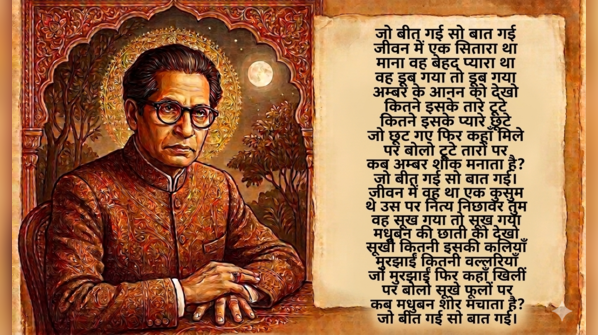
The healing power of Jo Beet Gayi So Baat Gayi
This is the ultimate "moving on" anthem. When he says "Jo beet gayi so baat gayi," he isn't being cold or telling you to "just get over it." He’s acknowledging that things break - stars fall, flowers wither -but the universe doesn't stop to mourn them forever. It’s a gentle, dignified way of saying that even after a massive breakup or a loss that leaves you shattered, life carries on, and it's okay for you to carry on too.
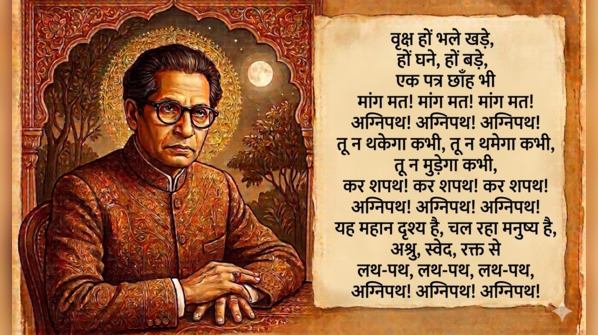
Love as the fuel in Agneepath
Most people see Agneepath as a poem about sheer willpower, but look closer. Why do we keep walking through the fire? Usually, it's because of love - for a person, a dream, or a purpose. That "path of fire" is a lot easier to walk when you have a "why" behind your "how." For Bachchan, love isn't just a soft feeling; it’s the backbone that keeps you standing when everything else wants you to quit.
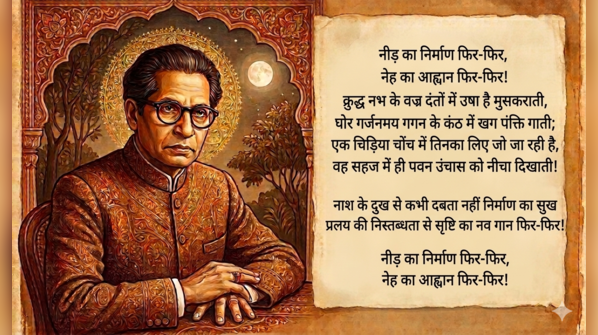
Rebuilding from zero in Need Ka Nirmaan Phir
Bachchan wrote this after losing his first wife, Shyama, and you can feel the weight of that grief in every line. This isn't "happy" love. It’s about the silence after the storm. It’s about that exhausting process of trying to rebuild your life when the person who was your "home" is gone. It’s incredibly raw, but there’s a flicker of hope in there - the idea that even after the darkest night, you can eventually start building something new.
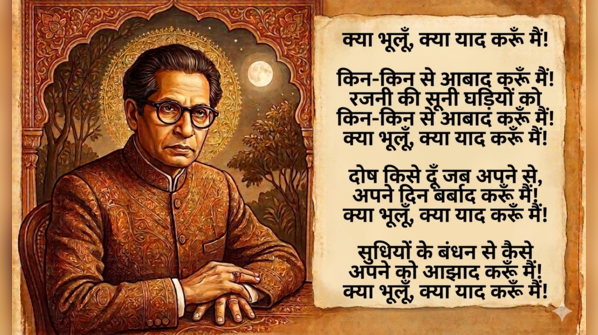
The messy notebook of Kya Bhoolun Kya Yaad Karun
This one feels less like a book and more like overhearing a conversation at a dhaba. He’s literally asking himself, "What should I forget? What should I hold onto?" It’s a beautiful, honest look at how our memories shape us. It captures that confusing middle ground where you don't know if a memory is a gift or a burden.
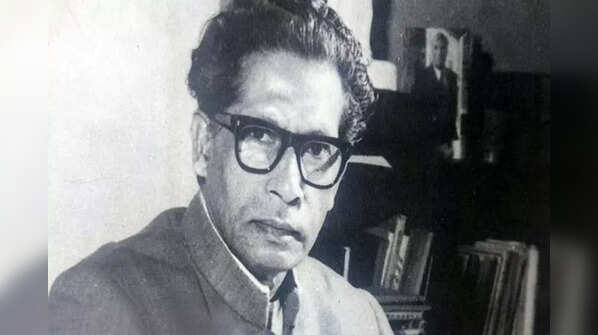
Why he still matters
Bachchan didn’t try to make love look flawless. He showed it exactly as it is: confusing, messy, and sometimes scary. He leaned into the contradictions, that love can be loud and passionate one minute and quiet the next.
When people read him today, they aren't just looking at old literature. They’re seeing their own sleepless nights and their own slow-growing relationships reflected back at them. And that’s why his words stick around long after you close the book. Real love doesn't fade; if anything, it just gets richer with time.
Featured In Relationships

