
Mavuta
UA2 hrs 2 minsReleased: 30 Jan, 2026
Kannada
Action
, Adventure
& Thriller
2.5
Critic's Rating
2.5
Users' Rating
About the Movie
A mahout and his elephant protect a forest from ruthless smugglers who exploit wildlife and natural resources. As threats grow, their bond and courage drive the fight to preserve the forest and its people.
Cast


Mavuta Movie Review: A Promising Premise Limited by an Old-School Framework

The Times of India
Jan 31, 2026, 1:58 PM IST2.5
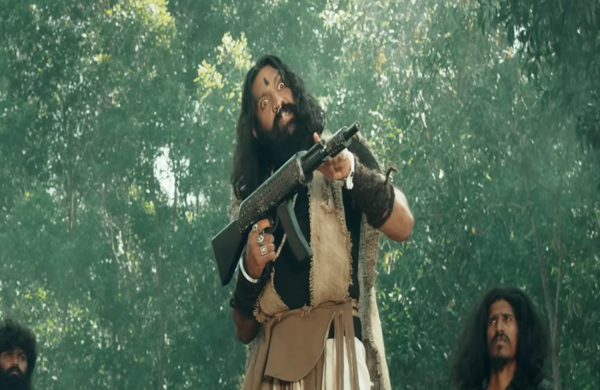
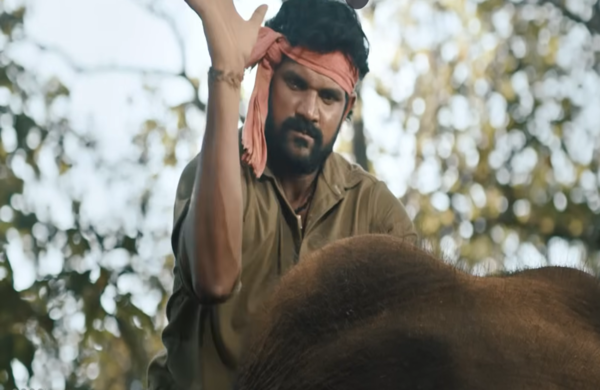
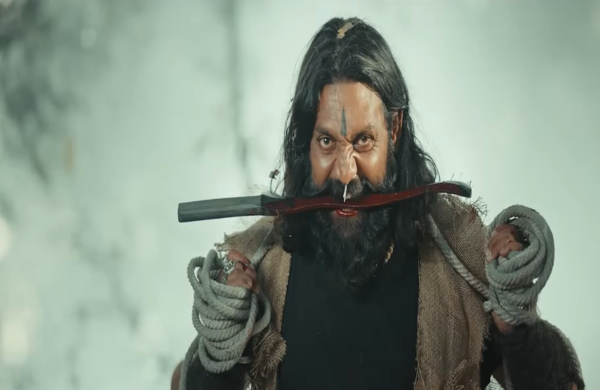
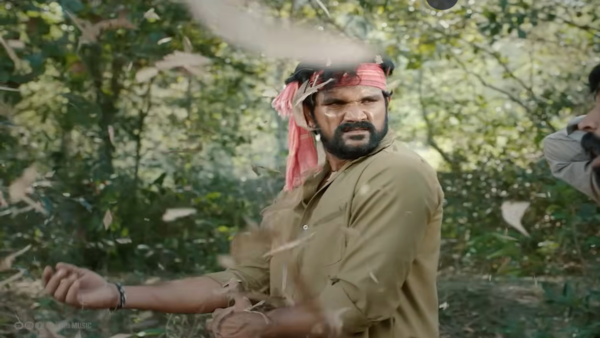
By Susmita Sameera Mavuta opens on an emotionally charged note with a young boy asking his mother for a baby elephant. What initially feels like a child’s innocent wish quickly takes on deeper meaning when he clarifies that he wants a real elephant, so he can grow up to become a mavuta like his father. This simple yet impactful moment sets the tone for a story rooted in tradition, nature, and legacy. The film then transports us into a dense forest where a tribal community lives in harmony with nature. The calm is shattered by the arrival of ruthless timber smugglers, leading to a high-octane sequence where an elephant charges in to protect the forest. Just when the smugglers attempt to capture the elephant for its tusks, the titular character Mavuta makes a striking entry. Along with his elephant, he drives the smugglers away, delivering a mass-style introduction that feels tailor-made for a big, commercial, star-driven film. The elephant is revealed to be Arjuna, the sacred bearer of the Ambari of Chamundeshwari during the Mysuru Dasara, adding cultural weight to the narrative. From here, the central conflict takes shape as the story pits Mavuta Bala (Lakshmipati Balaji) and his elephant Arjuna against the smuggler gang led by the ruthless KK (Kailash Kuttappa), whose illegal activities threaten both wildlife and forest life. Parallelly, Suryaprakash (Thriller Manju) is appointed as the Forest Range Officer, bringing law enforcement into the larger battle to protect the forest. At its core, the premise of a mavuta and his elephant safeguarding nature alongside forest officials is compelling and meaningful. However, as the film progresses, it loses focus. A prolonged triangular love track (Mahaalakshmi Annapoorna and Divya Shree) diverts attention from the main conflict, while the antagonist arc slips into familiar territory. The narrative begins to rely on predictable tropes: emotional manipulation, last-minute betrayals, and well-worn good-versus-evil formulas, ultimately making the latter half feel routine. On the technical front, the film performs reasonably well. While a few CGI animals are noticeably artificial, the overall visual quality remains engaging. The songs blend smoothly into the narrative, and the performances are earnest enough to hold interest. What truly elevates Mavuta is the emotional bond between the Mavuta Bala and elephant Arjuna. Their relationship is portrayed with warmth and sensitivity, becoming the heart of the film and standing out against an otherwise conventional storyline involving smugglers and police. Mavuta is a film with a commendable thought at its foundation. Had it stayed closer to realism and trusted its powerful central relationship instead of retreating into old-school fictional drama, it could have left a stronger impact. Even so, its message and emotional core make it a sincere effort worth acknowledging.
User Reviews
0/1500
Post ReviewTrailer

Mavuta - Official Teaser

Photos
Latest Movie Reviews


How would you rate the movie?


Hot on the Web
R MadhavanHeatwave Protection Foods And DrinksAmit ShahRaaj KumarPeddi First ReviewPM ModiSalman KhanDrishyam 3T.G. Nandish DeathCelina JaitlyBharti SinghAamir KhanSalman KhanNehal ChudasamaDiphtheria OutbreakNiranjana DesaiGlass Shower Screens Cleaning TipsUnique Fruit TreesKaruppu Box Office CollectionKhan SirChandranaag IdentityPopular FoodAC Room Water Bucket TipsMeta LayoffsPanchayat Season 5Anti Lizard TipsHbA1cDhurandhar 2 Box Office CollectionRaja Shivaji Box Office CollectionHoroscope TodayCuba Drone ThreatFatah 3 VS BrahmosUS Powerball LotteryRajnath SinghUAE Nuclear PlantSanjeev AroraNyt ConnectionsUmar Khalid CaseLegal Document PropertySuryastraS 400Captions For Instagram Posts
Trending Topics
Latest MoviesBollywood MoviesHollywood MoviesTamil Movies 2026Telugu Movies 2026Malayalam Movies 2026Kannada MoviesMarathi MoviesBengali Movies 2026Top Rated Movies 2026Best Hindi MoviesBest English MoviesBest Telugu MoviesBest Tamil MoviesBest Malayalam MoviesBest Kannada MoviesBest Bengali MoviesUpcoming Hindi MoviesBest Movies Of All TimeBest Hindi Movies of All TimeLatest English MoviesLatest Malayalam MoviesEnglish TV NewsTamil TV NewsTelugu TV NewsMalayalam TV NewsKannada TV NewsMovie ReviewsBhojpuri Cinema NewsGujarati Cinema News
Popular Categories
Viral NewsK Pop NewsWeb Series NewsAnime NewsUpcoming English MoviesUpcoming Tamil MoviesUpcoming Telugu MoviesUpcoming Malayalam MoviesUpcoming Kannada MoviesFashion TipsTravel NewsEntertainment NewsBollywood NewsTollywood NewsKollywood NewsMollywood NewsFood NewsLatest Hindi MoviesLatest Tamil MoviesParenting TipsHome RemediesWeight LossBeauty TipsParenting TipsHindi VideosHindi Video SongsBhojpuri Music VideosLatest Telugu MoviesBhojpuri Music VideoHindi TV News
Latest News
Hazaribag man drowns while fishing in lake"Behen Darr Gayi!": Fans relive ‘Bhagam Bhag’ era after watching Akshay Kumar's 'Bhooth Bangla' trailerMBOSE HSLC result 2026 to release tomorrow: Check details hereIran war risk: JPMorgan CEO Jamie Dimon warns of oil shocks, sticky inflation and higher interest ratesMake your clutch last longer with these easy driving tips“Three-against-one situation”: El Rubius opens up on being “targeted” in MrBeast’s viral $1M challengeBihar BTSC lab assistant notification released for 1091 posts at btsc.bihar.gov.in; apply hereIPL craze costs techie Rs 1.46 lakh in fake RCB vs CSK ticket scamRaising “robot-proof” kids: Why creativity and curiosity matter more than everInside ‘Satguru Sharan’: Exploring Saif Ali Khan and Kareena Kapoor Khan’s Rs 100 crore Bandra homeHow selling Alaska in 1867 was a costly mistake for Russia'Hera Pheri 3 is coming': Paresh Rawal dismisses delay reports and reveals he will 'start shooting soon'US-Iran War: A daring rescue Hollywood blockbuster is on its way. Till then, pick your favourite from these 10 films on bringing someone home against all oddsKolkata team unveils fan mural at Rash Behari Avenue, celebrating city’s first loveHow US spread a lie to rescue a pilot of a jet shot down in IranNetflix unveils ‘VOID’, an AI model that can change a movie plotAI data centers are causing 'stress' not just to tech companies, but also private insurers"Trans women are.....": Clavicular’s viral moment with trans women sparks fresh conversation on internet culture