
- News
- Real Estate News
- 7 renovation mistakes that can lower your property’s value
7 renovation mistakes that can lower your property’s value

7 renovation mistakes that can lower your property’s value
Home renovations can enhance comfort and beauty, but not all home renovations will increase the value of your home. Some well-meaning choices may even result in a home, that is more difficult to sell or one that sells for a lower price. Being informed about common mistakes will help homeowners avoid costly mistakes and ensure that renovation dollars are spent for long-term gain rather than diminishing market appeal.
Image Credit: Canva

Over‑personalised design choices
While renovations that showcase a homeowner’s personal style, such as bright paint colours or themed rooms, may appeal to the homeowner, they can be a turn-off for potential buyers. A more neutral, timeless design will appeal to more buyers and retain its value better.
Image Credit: Canva
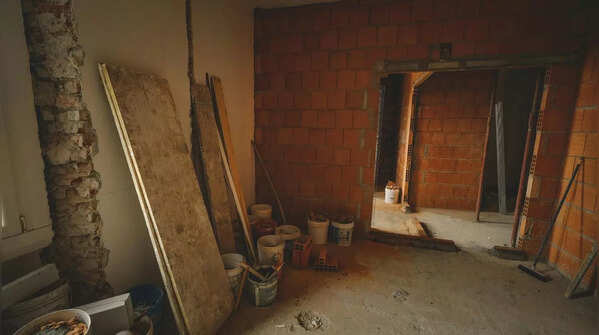
Using low‑quality materials
While using low-quality materials to save money may seem like a good idea, it can actually negatively impact the value of your home. Low-quality flooring, fixtures or materials may deteriorate faster or give buyers the impression that the home was not well-maintained.
Image Credit: Canva
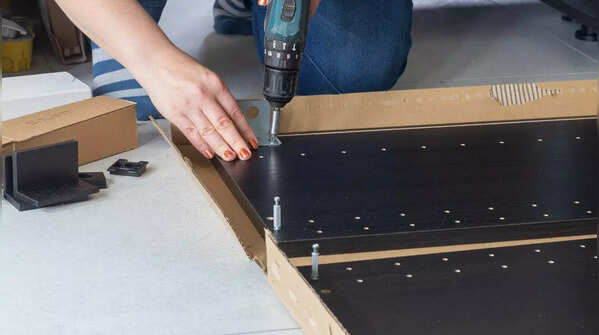
Poor workmanship (DIY disasters)
Attempting complex renovations without proper skills often results in crooked tiles, uneven flooring, or electrical and plumbing problems. Poor‑quality workmanship not only looks unappealing but can signal hidden issues to buyers and inspectors, reducing trust in the property’s overall condition. Hiring professionals for major work is often a better investment.
Image Credit: Canva
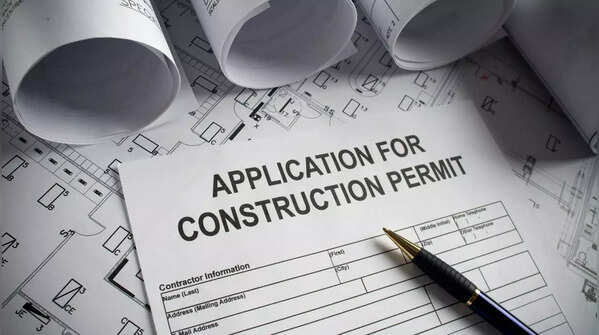
Ignoring permits and regulations
Skipping required permits for structural changes, extensions, or major upgrades can lead to legal complications later. Buyers today often request documentation showing renovations comply with local building codes. Missing approvals can make a home harder to sell, reduce its value or even necessitate costly undoing of the changes.
Image Credit: Canva
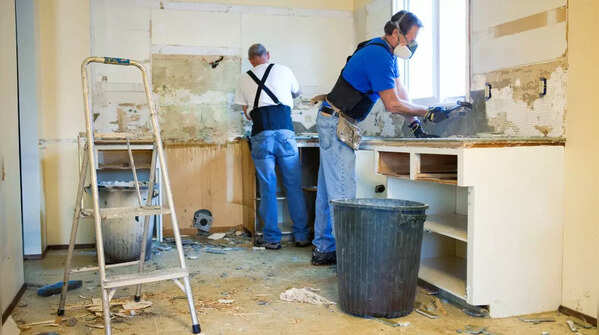
Removing useful features
Eliminating functional or valued elements, like bedrooms, storage spaces, or a garage, can reduce appeal. For example, turning bedrooms into a large bathroom or removing a garage for a living space may benefit current owners but diminish what future buyers see as essential. Many buyers value practicality over niche luxury features.
Image Credit: Canva
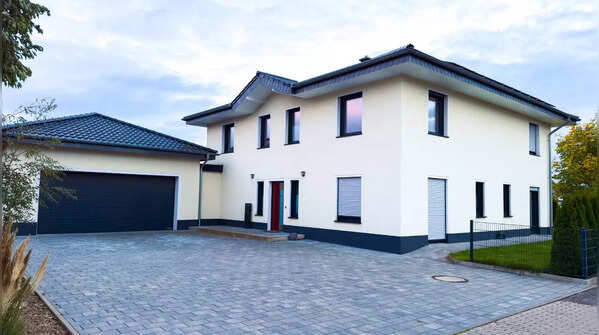
Overbuilding for the area
Installing luxury upgrades that exceed neighbourhood norms, such as ultra‑high‑end finishes in a modest area, may not increase value proportionally. Buyers may be unwilling to pay a premium for features that don’t align with local market expectations, resulting in little to no return on investment.
Image Credit: Canva
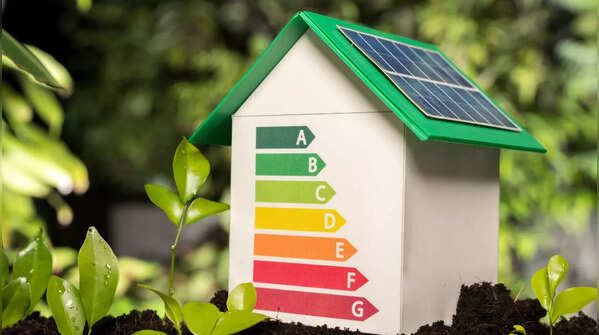
Neglecting energy efficiency and maintenance
While keeping in mind the aesthetic appeal, many people forget that energy-efficient upgrades such as good insulation, double-glazed windows, and efficient heating systems can also be highly beneficial. With the rising demand for energy-efficient homes, you may end up losing potential buyers if you do not consider these factors in your home improvement plan.
Home improvement should be done while keeping in mind the overall appeal, quality, and functionality. By avoiding highly personalised designs, poor quality and work and non-compliance with building codes, you can ensure that the value of your home is not compromised but rather enhanced.
Image Credit: Canva
Featured In Real Estate

