
Senior Cardiologist explains why your daily walk isn’t enough, and the one heart metric you should track instead
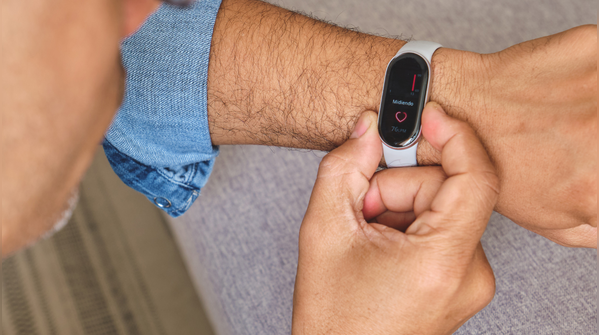
Heart fitness: What your walk isn’t telling you
A morning walk looks like the simplest health habit. Shoes on, steps counted, calories burned. But a recent post by Dr Ravindra L. Kulkarni, a senior cardiologist with 25 years of practice, flips this idea on its head.
He shared a small, everyday example. Two women went for a walk. One walked longer. The other recovered faster. And that, he says, is where the real story of heart health lies.
It’s a reminder: what shows on the outside is not always what matters inside.

The two walkers: Same effort, different story
In his post, Dr Kulkarni describes two patterns:
IRA: Walked briskly for 30 minutes. Heart rate reached 130 and dropped to 120 after one minute.
ORA: Walked for 20 minutes. Same peak heart rate of 130, but it dropped to 95 within a minute.
UK boy feared to have brain tumour was actually poisoned by Vitamin D overdose
At first glance, IRA seems more disciplined. Longer walk, more effort. But ORA’s body calmed down faster.
Why do Indians feel bloated so often? Doctor explains the real cause, and simple diet changes that can fix it
That quick drop in heart rate is not a small detail. It is a signal. And often, a powerful one.
Why faster recovery matters more than longer effort
The heart does not just work during exercise. It also reveals its strength in how it rests after stress.
When the heart rate falls quickly after activity, it shows that the autonomic nervous system is working well. This system controls how the body switches between effort and rest.
A slower recovery can mean the heart is under strain or not as efficient.
This is not just theory. A landmark study published by the National Institutes of Health found that slower heart rate recovery is linked with a higher risk of cardiac events.
In simple terms, a heart that calms down quickly is often a heart that is fitter.
The Indian context: Why this insight hits home
In India, walking is the most common form of exercise. Parks fill up early. Step counts are proudly shared. But very few people check how quickly their heart settles after the walk.
This matters because cardiovascular diseases remain a leading cause of death in the country. According to the Indian Council of Medical Research, heart-related conditions account for a large share of premature deaths.
So the question becomes simple. Is the focus only on doing more, or on getting fitter?
Dr Kulkarni’s example answers it clearly. Fitness is not about pushing harder every day. It is about how efficiently the body handles that push.
What your smartwatch might be missing
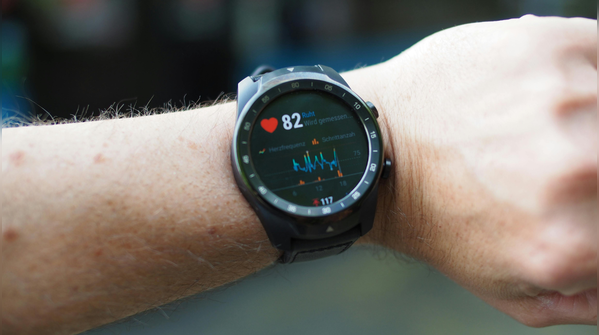
Most fitness trackers today show steps, calories, and peak heart rate. These numbers feel satisfying. But they tell only half the story.
Heart rate recovery often sits in the data, unnoticed. Yet it may be the most meaningful metric. Even a simple check can help. Measure your heart rate right after exercise. Then check it again after one minute.
A drop of 20-30 beats or more is generally considered a healthy sign for many adults. Less than that may need attention, especially if it stays consistent over time.

Beyond walking: Building a stronger, calmer heart
Improving heart recovery is not complicated, but it does need consistency. Regular aerobic exercise helps. So does adding short bursts of higher intensity, like brisk intervals. Strength training plays a role too.
But one often overlooked piece is rest and breathing. Practices like yoga and pranayama can improve how quickly the body shifts back to calm.
That change is not always visible in the number of steps. Sometimes, it is hidden in how quietly the heart returns to normal.
Look beyond the obvious
The next time someone talks about a 10,000-step goal, there’s a better question to ask.
How fast did the heart recover after those steps?
Because as Dr Kulkarni puts it so neatly, movement is visible. Recovery is what truly speaks. And in that return to normal, the real story of heart fitness unfolds.

Disclaimer
This article is for general awareness and should not replace medical advice. Individual heart health varies. For personalised guidance or concerns, consult a qualified healthcare professional.
Featured In etimes

