
- News
- lifestyle
- travel
- destinations
- Not just cheetahs: 5 lesser-known wildlife species thriving in Kuno
Not just cheetahs: 5 lesser-known wildlife species thriving in Kuno
Not just cheetahs: 5 lesser-known wildlife species thriving in Kuno
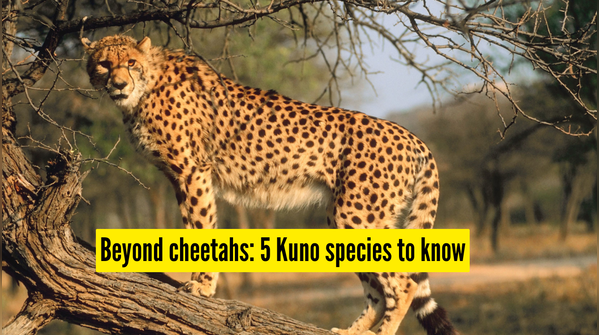
When India’s ambitious cheetah reintroduction project put Kuno National Park on the global map, the spotlight followed the spotted cats. Most news is around cub births, territorial updates, and conservation efforts. But beyond the cheetah headlines lies a forest that was never empty to begin with. Long before the transcontinental arrivals, Kuno was quietly sustaining a dynamic web of predators, scavengers and herbivores that rarely trend online.
Here are five lesser-known wildlife species that continue to thrive inside Kuno, shaping the ecosystem in ways that often go unnoticed.

Indian Leopard
Did you know this area has Bahubali, the boldest leopard that holds the finest areas of Kuno? Overshadowed by cheetahs, the Indian leopard has always been Kuno’s stealthy resident predator. Leopards are adaptable and prefer solitary. Unlike cheetahs that prefer open grasslands for high-speed chases, leopards are the ones relying on ambush tactics.
The presence of leopards also indicates the presence of a strong prey base here, ranging from chital and sambar to langurs. In many ways, they were the ones reigning the territory long before Kuno entered global conservation conversations.

Indian Wolf
Often mistaken for feral dogs at first glance, the Indian wolf is among the subcontinent’s most elusive carnivores. Kuno’s mosaic of grasslands and scrub forests provides suitable habitat for these lean, long-legged hunters.
Operating in small packs, wolves regulate herbivore populations, especially smaller ungulates. Across India, wolf habitats are shrinking due to agriculture and infrastructure expansion. That they persist in Kuno reflects the park’s ecological diversity and relatively intact landscape.

Striped Hyena
If there is one misunderstood resident of Kuno, it is the striped hyena. Frequently labelled merely as a scavenger, this nocturnal carnivore plays a critical sanitation role in the ecosystem.
Hyenas clean up carcasses, preventing the spread of disease and recycling nutrients back into the soil. Their distinctive slanted backs and striped fur are seldom seen during safaris, but camera traps have confirmed their regular presence. In a terrain where there are various predators, scavengers such as hyenas play a crucial role in ensuring that there is a balance in nature.

Chinkara (Indian Gazelle)
Agile and graceful, chinkaras are doing well in Kuno’s open scrub and grassland patches. Smaller compared to other deer species, gazelles are well adapted to arid conditions and require very little water.
It needs to be noted that they form a crucial component of the prey base, not only for cheetahs but also for leopards and wolves. Their abundance suggests that Kuno’s habitat restoration efforts over the years have supported herbivore growth. Without species like the chinkara, the predator-prey dynamics that define the park would falter.
Indian Vultures
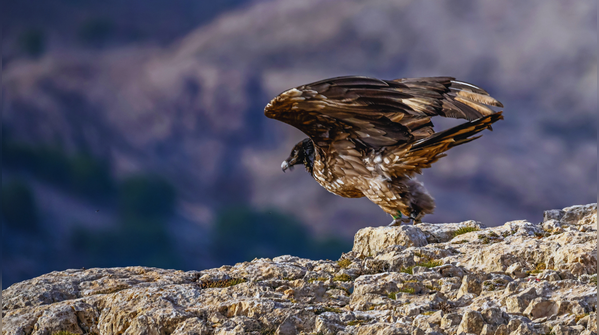
While much attention focuses on land predators, the skies above Kuno tell another story. Vultures, including critically endangered species, have been recorded in the park’s expanse.
Though there were catastrophic declines in the population of vultures in India in the 1990s due to contamination with veterinary drugs, their population is still vulnerable. The protected forest ranges like Kuno are a vital habitat for them. These scavengers have a unique role in the ecosystem as they clear dead bodies quickly. The slow comeback of vultures in central India makes their presence in Kuno even more important.
Featured In lifestyle

