
- News
- lifestyle
- travel
- destinations
- 9 national parks around the world that aren’t about wildlife
9 national parks around the world that aren’t about wildlife
9 national parks around the world that aren’t about wildlife
When most travellers hear the words “national park,” they immediately picture safari jeeps trailing elephants across golden plains or bears fishing in icy rivers. Wildlife tourism has long dominated the narrative. But not all national parks are defined by animals. Some are protected for their geology, others for their surreal landscapes, glacial drama, desert silence or cultural history. In these places, the real spectacle isn’t something that moves, it’s something that towers, erodes, freezes, glows or stretches endlessly into the horizon.
From sandstone pillars that look like floating mountains to deserts older than civilization itself, here are national parks around the world where the scenery, not the safari, takes centre stage.
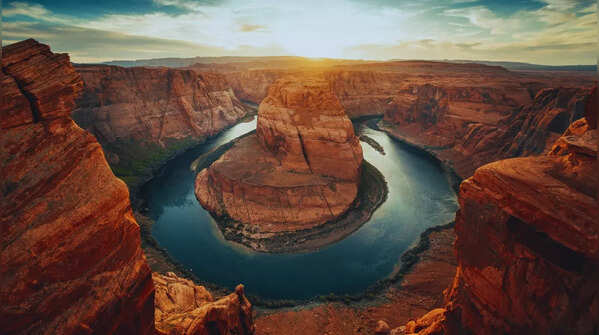
Grand Canyon National Park, USA
Few landscapes on Earth command silence quite like the Grand Canyon. This massive gorge, carved by the Colorado River over millions of years, stretches over 440 kilometers and reaches depths of over 1.6 kilometers in some areas. The rock layers of the canyon itself hold two billion years of geological history, each layer coloured with hues of rust, crimson, and gold.
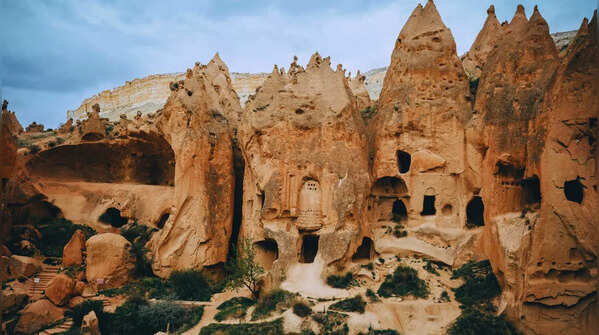
Göreme National Park, Turkey
Göreme National Park, situated in the center of Cappadocia, appears to be a landscape from a fantasy world rather than a natural one. The park’s most striking feature is its “fairy chimneys,” a series of tall, conical rock formations, which were formed by volcanic eruptions and erosion. Early Christians in the area dug churches, monasteries, and dwellings right out of the soft rock, leaving behind their exquisite frescoes, which remain to this day.
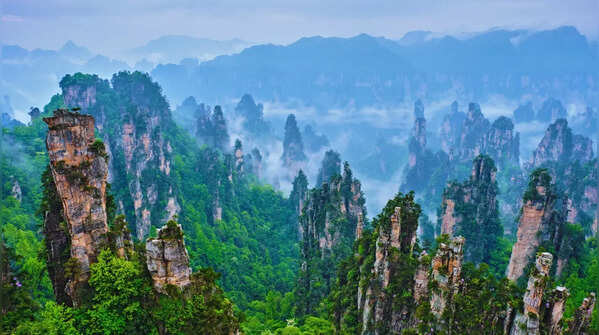
Zhangjiajie National Forest Park, China
Thousands of thin sandstone spires rise straight up from the forest floor, with some reaching heights of over 200 meters into the clouds. It took millions of years for erosion to carve out this landscape, making it seem as if the mountains are defying the laws of gravity. Zhangjiajie National Forest Park was made famous around the world as the inspiration for the "floating" mountains of Pandora in the movie Avatar.
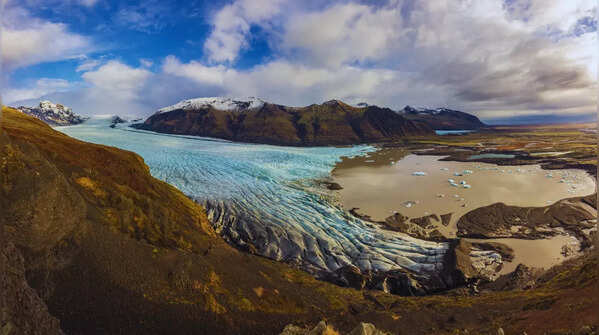
Vatnajökull National Park, Iceland
Vatnajökull National Park, which spans about 14 percent of Iceland's territory, is home to the largest glacier in Europe. But what's most fascinating about this park is that it has active volcanoes hidden beneath its massive ice cap, making it one of the most contrasting natural wonders in the world. Glacial lakes with floating icebergs, blue ice caves, roaring waterfalls, and black volcanic sand are just some of the features of this frozen landscape.
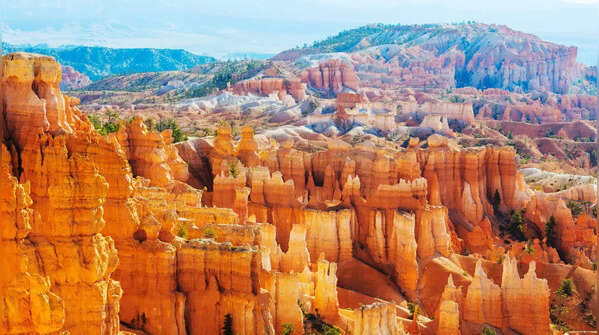
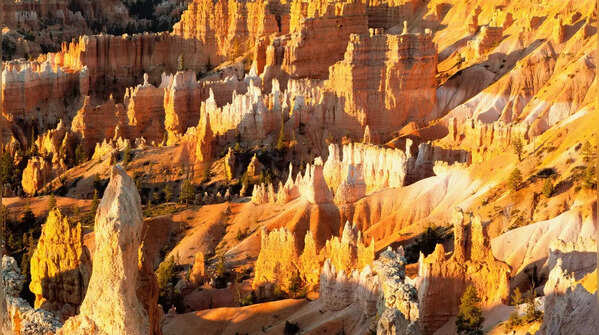
Bryce Canyon National Park, USA
Bryce Canyon is known for its hoodoos, thousands of which are tall, thin rock spires created through frost weathering and erosion. The amphitheater-shaped basin is packed with these orange and pink spires, forming what appears to be a natural cathedral made of stone. Hiking through the hoodoos during sunrise, when they are illuminated by soft golden light, is almost spiritual. Winter snowfall provides an interesting contrast against the red rock. The magic of Bryce Canyon is purely geological.
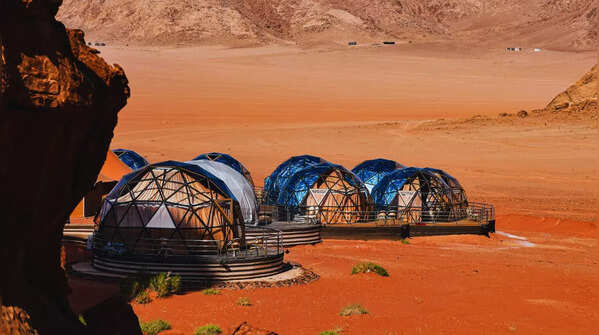
Wadi Rum Protected Area, Jordan
The massive desert environment of red dunes and giant sandstone mountains in Wadi Rum has long fascinated adventurers and movie-makers. It is often referred to as the “Valley of the Moon” because of its vast, empty landscape, which appears to be straight out of a movie. Ancient rock art depicting the lives of early desert dwellers is etched into the sides of rock formations.
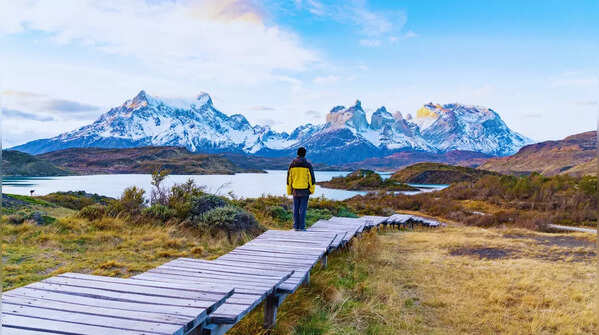
Torres del Paine National Park, Chile
Located deep in the Patagonian wilderness, Torres del Paine is famous for its rugged granite peaks that tower above sapphire-coloured lakes and massive glaciers. The distinctive Torres, three granite peaks, pierce the sky. Adventurers from all over the world tackle the famous W and O treks, which take them across windy grasslands and glacial valleys.
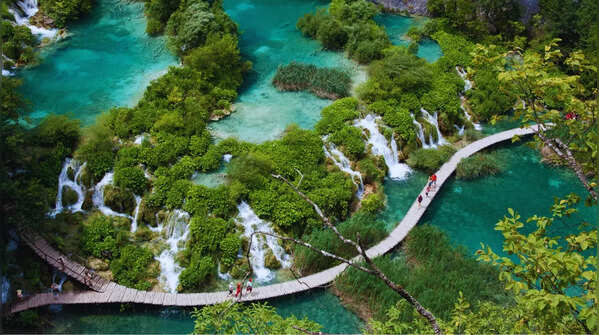
Plitvice Lakes National Park, Croatia
Plitvice Lakes National Park is a maze of 16 cascading lakes that are joined by waterfalls and wooden walkways. The lakes change colour from deep emerald to bright turquoise, depending on the mineral composition and sunlight. Hikers walk along elevated paths that take them close to the waterfalls without damaging the fragile environment.
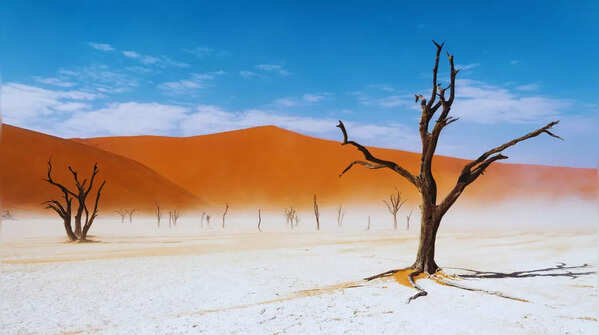
Namib-Naukluft National Park, Namibia
Namib-Naukluft National Park, which protects part of the Namib Desert, is thought to be one of the oldest deserts in the world. The massive red sand dunes of Sossusvlei stand out against a brilliant blue sky, while the white clay pan of Deadvlei, with its ancient, dead trees, is one of the most photographed landscapes in Africa.
Featured In lifestyle

MORE FROM ETIMES
life & style