
- News
- lifestyle
- travel
- destinations
- 10 most democratic countries in the world
10 most democratic countries in the world
10 most democratic countries in the world
The Democracy Index offers a comparative snapshot of how democratic systems function across the world. Compiled annually by the Association for Development and Advancement of the Democracy Award and cited by the Economist Intelligence Unit (EIU), the index goes beyond electoral processes to assess broader social dimensions such as governance quality, economic performance, knowledge systems, health, gender equality, and environmental outcomes. The Democracy Index highlights clear leaders, regional patterns, and the importance of political stability in sustaining liberal democracies. Below are the ten highest-ranked countries, based strictly on the published scores. (Data sourced from Data Pandas org)
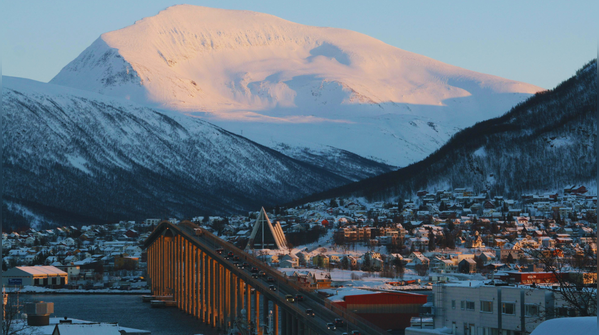
Norway (Democracy Index score: 9.8)
Norway, with a score of 9.87, tops the list. Norway’s functioning government and well-developed social system both contribute to the country’s strong democratic foundations, according to the ranking. The country does consistently well in terms of political participation and more general societal indicators, making it one of the touchstones for liberal democracy around the world.

New Zealand (Democracy Index score: 9.4)
In the second place, is New Zealand with 9.4. This ranking is an indication of the country’s long-term commitment to democratic norms and their continued reinforcement under different governments. Its democratic norms are rooted not just in institutions, but also in strengthening civic faith and responsibility.
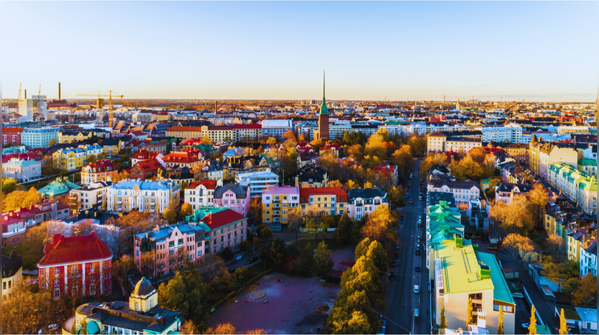
Finland (Democracy Index score: 9.3)
And at No. 3, with 9.3 score, is Finland. Along with other Nordic countries, Finland also display strong democratic institutions that coexist with high educational, welfare and environmental levels. The index highlights the success of its social-democratic model.

Sweden (Democracy Index score: 9.3)
Joining Finland, with an equally notable score of 9.3, Sweden occupies the fourth position. The primary reasons seen for this are stable democracy and orderly society. The case of Sweden further illustrates how decades of institutional trust leads to success of social-democratic models.
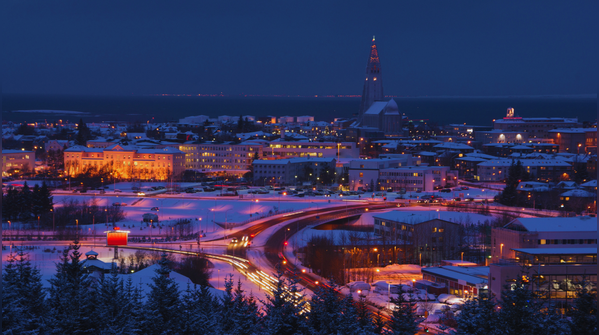
Iceland (Democracy Index score: 9.2)
Iceland comes in fifth with a 9.2 score. It’s interesting to note that the success of Icelandic democracy shows that size is no obstacle to democratic maturity. It serves as the right example of integrated and established democracy.

Denmark (Democracy Index score: 9.1)
Denmark ranks sixth, scoring 9.1. The situation abets Nordic pattern as a whole of good government and social trust. This stability is viewed by the index as an essential factor in preventing democratic regression.

Ireland (Democracy Index score: 9.0)
There is a tie in seventh place between Ireland and Taiwan, both scoring 9. The index presents Ireland as a case of a highly democratic domestic system operating within complex global dynamics, yet maintaining strong internal democratic standards.

Taiwan (Democracy Index score: 9.0)
Taiwan, ranked also at seventh, scores 9 even with political turmoil over its international recognition. The index points to Taiwan as proof that healthy domestic democratic institutions can prosper despite external geopolitical pressures.

Australia (Democracy Index score: 8.9)
And Australia sits at 9th position with a score of 8.9. Its spot is indicative of a solid democratic structure underpinned by well-established institutions and enduring practices of governance.

Canada (Democracy Index score: 8.9)
Canada rounds out the list at number ten, also scoring 8.9. The Democracy Index has Canada sharing company with nations where peace, strong institutions and social stability continue to buttress a well-functioning democracy.
Source: The Economist Intelligence Unit (EIU), Democracy Index 2024; updated on February 26, 2025.
Featured In lifestyle

MORE FROM ETIMES
life & style