
- News
- lifestyle
- home-garden
- 5 stunning flowering plants that can cause Hay Fever
5 stunning flowering plants that can cause Hay Fever
5 stunning flowering plants that can cause Hay Fever
Hay fever is a common allergic condition that affects millions of people around the world, especially during spring and summer when plants release freshly blooming pollen into the air.
People with hay fever often experience cold-like symptoms, like sneezing, itchy eyes, runny noses, headaches, and breathing discomfort after coming into contact with pollen. While trees and grasses are major causes of seasonal allergies, certain flowers and garden plants can also trigger strong allergic reactions because of their high pollen levels.
Many people choose flowers for their beauty, fragrance, or decorative value without realizing that some plants can worsen allergy symptoms.
Disclaimer: This article is for general informational purposes only and should not be considered medical advice. Allergy triggers can vary from person to person, and not everyone may react to the plants mentioned here. If you experience severe hay fever symptoms or suspect a plant allergy, consult a qualified doctor or allergy specialist for proper diagnosis and treatment.
Here are some common flowers and plants often linked with hay fever and pollen allergies.
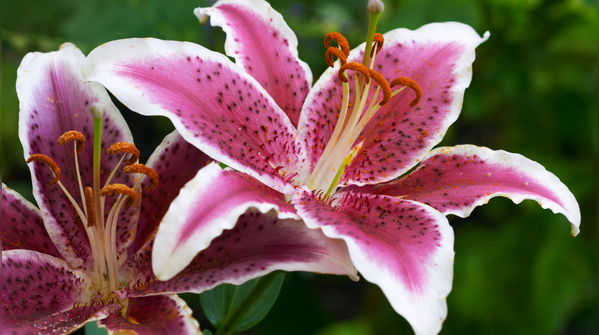
Lily
Lilies are popular ornamental flowers known for their large blooms and strong fragrance, but they can also trigger hay fever symptoms in some people. Many lily varieties produce noticeable amounts of pollen that can easily spread indoors and outdoors. Their pollen may cause sneezing, itchy eyes, and nasal irritation, especially when flowers are kept inside homes. People sensitive to pollen often avoid highly fragrant lilies during allergy season.
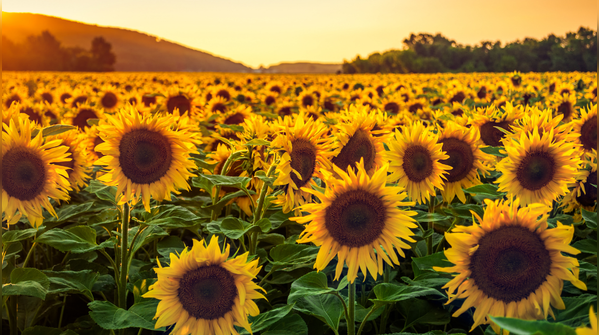
Sunflower
Sunflowers are admired for their bright appearance and tall stems, but they may also cause pollen allergies in sensitive individuals. Their large flower heads contain pollen that can trigger sneezing and other hay fever symptoms, especially during blooming periods. While sunflowers are generally considered less problematic than grasses, people with severe pollen allergies may still react to them.
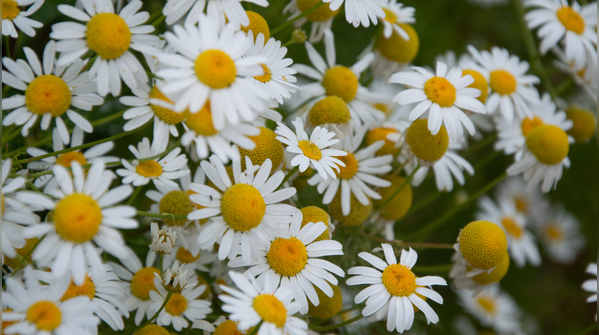
Chamomile
Chamomile is widely known for its herbal tea and medicinal uses, but the plant belongs to the daisy family, which is associated with allergies in some individuals. People sensitive to ragweed or similar plants may also react to chamomile pollen. Symptoms can include sneezing, itchy skin, watery eyes, or throat irritation. Although chamomile is often used in natural remedies, it may worsen allergy symptoms for certain people instead of helping them.
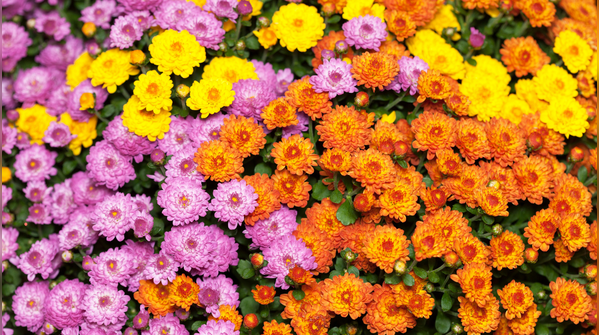
Chrysanthemum
Chrysanthemums are colourful flowering plants commonly used in gardens and decorations, but they can also trigger hay fever and skin allergies. These flowers belong to the Asteraceae family, which includes ragweed and daisies, both linked with pollen allergies. Their pollen may irritate sensitive people and cause sneezing, itchy eyes, or mild breathing discomfort. Some individuals may even develop skin irritation after touching the plant.
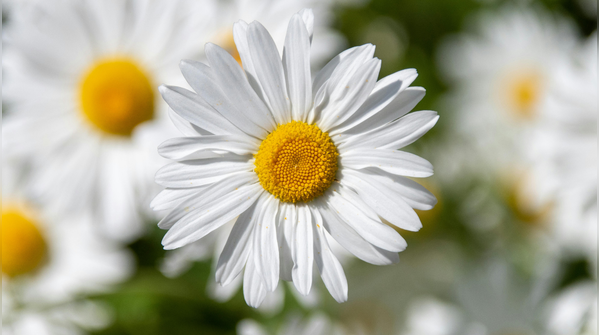
Daisy
Daisies are cheerful and easy-to-grow flowers, but they may cause problems for people with pollen allergies. Like chrysanthemums and chamomile, daisies belong to the Asteraceae family and can release pollen that triggers hay fever symptoms. Some people may experience sneezing, itchy eyes, or skin irritation after close contact with these flowers.
Featured In lifestyle

MORE FROM ETIMES
life & style