
Art quote of the day by Oscar Wilde: “God and other artists are always a little obscure”
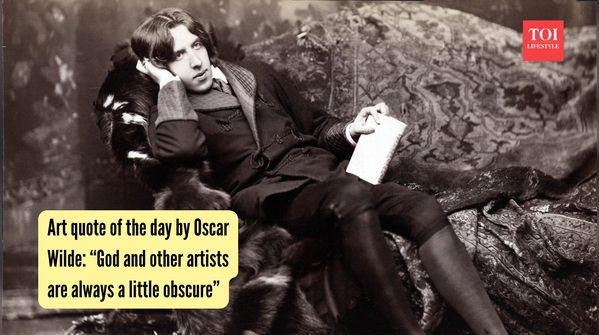
Art quote of the day by Oscar Wilde: “God and other artists are always a little obscure”
“God and other artists are always a little obscure," Oscar Wilde once said. On the surface, this statement seems ironic, even a little ambiguous.
However, the deeper we go, the more we realise that there is a deeper truth that lies beneath the surface. That both the divine and creativity are not to be completely understood or explained.
The quote suggests that the real beauty of art lies in the mysterious, just out of your reach, a little less understood. This is exactly what keeps us curious and artistically alive.
While today, we always chase clarity and understanding things in the ‘black and white’ way, there should always be space for some grey.
Oscar Wilde calls us to slow down and sit with the not‑knowing. It points to the idea that those who create, whether they are poets, painters, musicians, or even spiritual seekers, often work in shadows, half‑shades, and unspoken emotions.
Art quote of the day (4)
“God and other artists are always a little obscure”
- Oscar Wilde
What the quote really means
When Wilde writes, “God and other artists are always a little obscure,” he is not saying that God or art are needlessly confusing. Instead, he is explaining what actually lies in the deeper meaning of the sentences.
He means that the most powerful experiences, whether spiritual or creative, are never fully explained. God is also described as beyond human understanding; there is no clear explanation or instruction manual about it, it's just faith in an upper superpower or being.
Similarly, artists, who are also “creators” in their own way, do not always directly explain everything in their work. They hint, suggest, and leave an open ending and a space for the audience to wonder.
For Wilde, ambiguity was a strength, not a flaw. He saw paradox and mystery as tools that shook people out of routine thinking.
Why this still matters today
Today, social media and the instant availability of information and explanations have led us to draw conclusions about every ambiguity.
Yet Wilde’s quote reminds us that real depth rarely comes from instant clarity. But the real beauty of things like great music, films, literature, and even spiritual experiences depends upon nuance, silence, and what is left unsaid and has an open ending.
Featured In lifestyle

MORE FROM ETIMES
life & style