
Trending
Finding comfort in small things

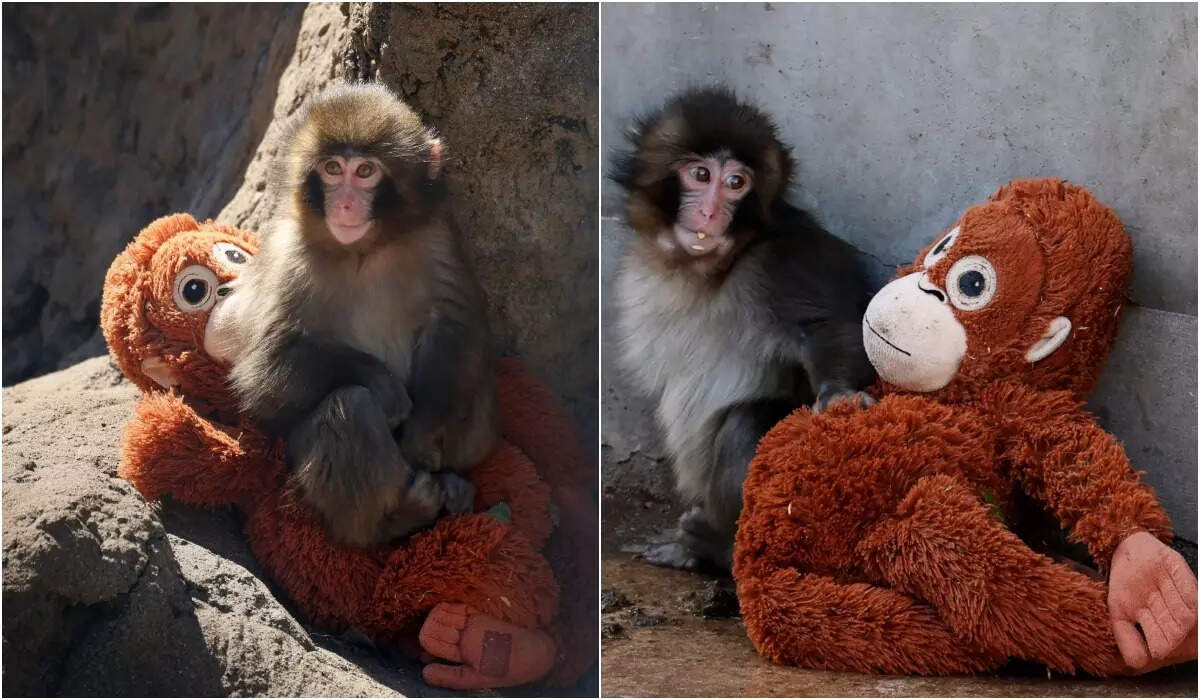
Abandoned Punch once clung to a stuffed orangutan, touched hearts online, and is now slowly finding real companionship
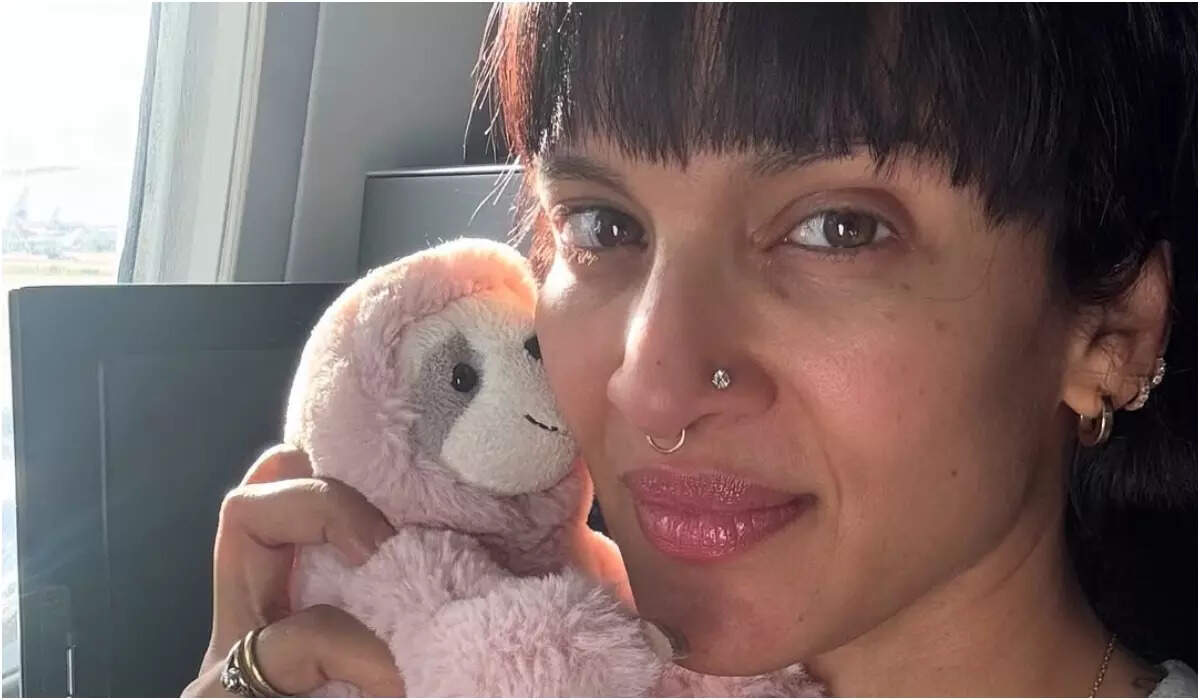
Anoushka Shankar carries a sloth toy named Douglas on tour
Carrying a physical reminder of someone you love can be deeply comforting. It explains why ‘boyfriend hoodies’ became so popular in long-distance relationships — the familiar scent and soft fabric can make someone feel surprisingly close
Ami Patel, a psychotherapist
Sometimes the emotional reassurance we expect from people does not always come back the same way, which can create a quiet sense of emptiness. During that phase of my life, my soft toy slowly became a comforting presence
Utsav Maurya, who uses comfort accessories
End of Article
Follow Us On Social Media
Tired of too many ads?go ad free now
lifestyle videos
Featured In Lifestyle

Tired of too many ads?go ad free now




Hot on the Web
Dhurandhar 2 Box Office CollectionMustafa AhmedRajinikanthAI Cow FarmDhurandhar 2 ReviewDizziness CausesOverthinking ConversationKangana RanautSameer WankhedeSanjay Dutt HouseThe 50 WinnerUstaad Bhagat Singh CollectionRam KapoorJameel JamaliFlight Coconut RulesVande Bharat Sleeper TrainDhurandhar 2 CollectionNo Railway Connectivity StateAhmedabad Monkey ManDeepika PadukoneSanjay DuttMovierulzJaya PradaAadu 3 Box Office CollectionGursewak SinghRakesh RoshanRyan GoslingHoroscope TodayBaby NamesDubai Airports UpdatesToday Gold Rate in ChennaiDelhi Weather TodayDelhi AQI TodayMumbai AQI TodayMaharashtra Public Holidays 2026Apple Wwdc 2026Jensen HuangAndrej KarpathySam AltmanSpotify LayoffsAnthropic New Claude Tool
Trending Topics
Latest MoviesBollywood MoviesHollywood MoviesTamil Movies 2026Telugu Movies 2026Malayalam Movies 2026Kannada MoviesMarathi MoviesBengali Movies 2026Top Rated Movies 2026Best Hindi MoviesBest English MoviesBest Telugu MoviesBest Tamil MoviesBest Malayalam MoviesBest Kannada MoviesBest Bengali MoviesUpcoming Hindi MoviesBest Movies Of All TimeBest Hindi Movies of All TimeLatest English MoviesLatest Malayalam MoviesEnglish TV NewsTamil TV NewsTelugu TV NewsMalayalam TV NewsKannada TV NewsMovie ReviewsBhojpuri Cinema NewsGujarati Cinema News
Popular Categories
Viral NewsK Pop NewsWeb Series NewsAnime NewsUpcoming English MoviesUpcoming Tamil MoviesUpcoming Telugu MoviesUpcoming Malayalam MoviesUpcoming Kannada MoviesFashion TipsTravel NewsEntertainment NewsBollywood NewsTollywood NewsKollywood NewsMollywood NewsFood NewsLatest Hindi MoviesLatest Tamil MoviesParenting TipsHome RemediesWeight LossBeauty TipsParenting TipsHindi VideosHindi Video SongsBhojpuri Music VideosLatest Telugu MoviesBhojpuri Music VideoHindi TV News
Latest News
Madras high court to hear PIL to stall screening of 'Dhurandhar 2' until Tamil Nadu polls‘Sambarala Yet Gattu’: Srikanth transforms into ‘Britishu’ in Sai Dharam Tej starrer; makers release poster on birthdayEmily in Paris Season 6’: Storyline, plot points, release date — everything we know so farOTET 2026 notification released, applications to begin on March 26; check details hereDelhi 'green' budget: MCD gets Rs 1,000 crore to improve roads, Rs 9,000 crore to Jal board; key pointsSuper rich rotis'Adversely affected overall merit': SC slams bias in evaluating women officers for Permanent CommissionA ‘blockbuster’ yellow reunionAffordable turbo petrol SUVs under Rs 10 lakh: Tata Punch, Taisor & moreAfter billions of funding and multi-year deal, Sam Altman 'calls' Microsoft risk for OpenAITN’s new welfare: Study hubs, gig pods, women’s hostelsDelhi high court overturns conviction of Sonu Punjaban, co-accused in prostitution, human trafficking caseBTS promote ARIRANG in New York with Suki Waterhouse; treat ARMY to EPIC 'Swim', '2.0' performance - WATCHShubman Gill to Gujarat Titans pacers: 'No calm, be fierce like Nehra' in IPL 2026Mashhoor Amrohi on transforming into Nawab Shafiq for 'Dhurandhar: The Revenge': 'Some are saying that it’s AI''Wonder Man' renewed for season 2 as Yahya Abdul-Mateen II returns in hit MCU comedy seriesWeaponising Strait of Hormuz is 'economic terrorism': UAE minister warns of global fallout'Biker' trailer launch: Sharwanand calls India’s first motocross movie the ‘best film’ of his career ahead of April 3 release