
- News
- lifestyle
- travel
- destinations
- 5 things you probably didn’t know about the world’s highest national park
5 things you probably didn’t know about the world’s highest national park
5 things you probably didn’t know about the world’s highest national park
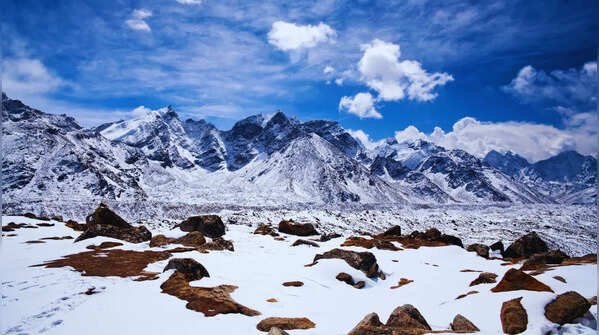
Perched high above the clouds, Sagarmatha National Park is referred to as the world’s highest national park, mainly due to the fact that it is the home of Mount Everest. However, apart from the fact that it is the highest, there is much more to the park than one might expect. For one, it is not just found in the Khumbu region of Nepal, but it is also not just for mountain climbers. Rather, it is a living entity that is defined by extremities, both in terms of height and weather. Here are 5 things you probably did not know about the world’s highest national park.
Home to the highest point on Earth
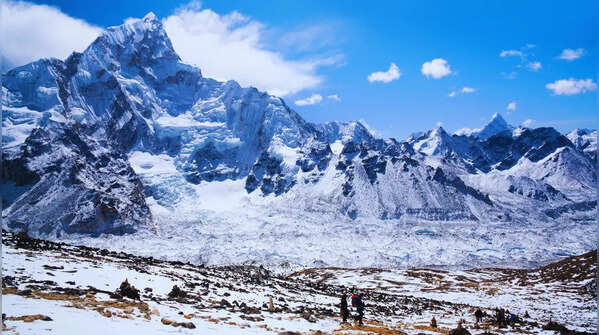
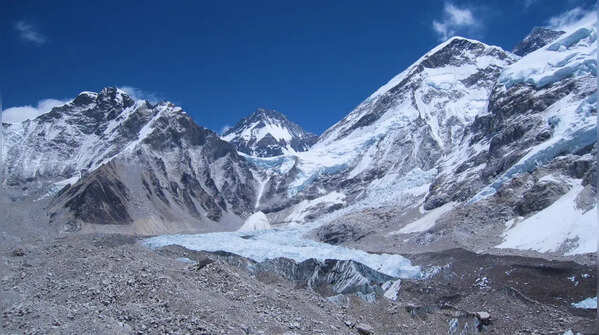
While Mount Everest is undoubtedly one of the most prominent features of this national park, Sagarmatha's true essence is in its extreme height variations. It extends from 2,800 meters to almost 8,849 meters, giving it one of the most extreme height variations in the world. This extreme height variation gives Sagarmatha a variety of ecological zones in a relatively small area, from thick forests of pine and rhododendron to grasslands and eventually to almost bare ice-covered terrain. Mountains such as Lhotse rise alongside Everest, giving it a jagged skyline that fills up the horizon. There are also glaciers such as the Khumbu Glacier, which cut through this terrain, constantly changing and redefining it.
The name reflects deep spiritual and cultural beliefs
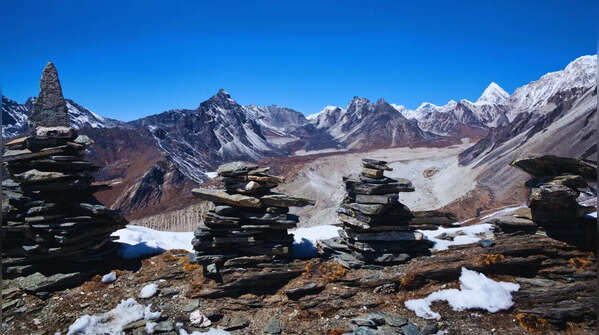
The name “Sagarmatha” refers to “Goddess of the Sky.” This reflects a belief in the mountains, which are not just physical entities but spiritual ones as well. Similarly, in the local dialect, the name given to Mount Everest is Chomolungma, which refers to “Mother Goddess of the World.” This reflects a spiritual connection to the region. For the locals, particularly the Sherpas, the region is not one to be conquered but one to be respected. Rituals are performed even before one begins an expedition. There are monasteries all over the region, which serve as spiritual centers.
It is one of the few national parks where people live permanently
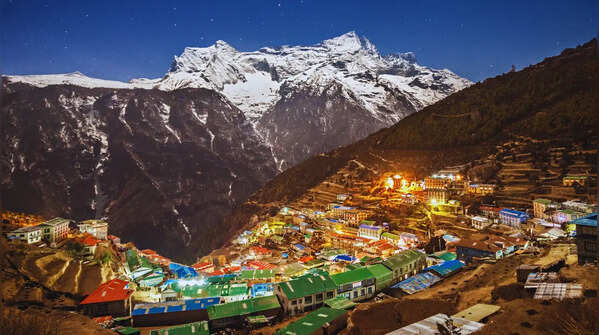
Sagarmatha National Park is one of a few national parks around the world where people live permanently. Even villages such as Namche Bazaar serve as hubs of activity. This reflects a connection to the region, which has been established over time. This region has been particularly suitable to the Sherpas, who have adapted remarkably well to life at such a high altitude.
Its wildlife is rare, elusive, and highly adapted
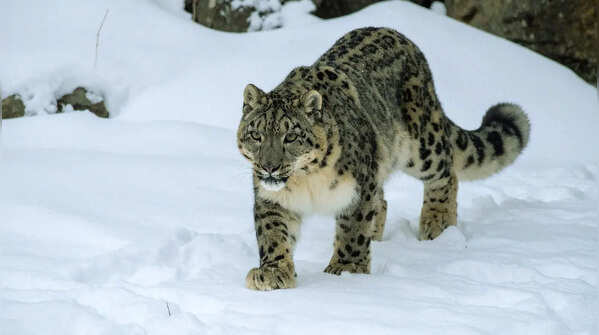
On first glance, one may think that such a harsh environment would not be conducive to any form of wildlife. However, Sagarmatha National Park boasts a variety of wildlife, some of which are elusive but play a vital role in maintaining a healthy environment. Some of the species found within the region include the elusive Snow Leopard and the Red Panda. Birdlife within the region is also quite significant, particularly species such as the Himalayan monal, which add a pop of color to an otherwise barren environment.
It is on the frontline of climate change
Sagarmatha National Park is slowly but surely becoming a barometer of climate change in the region. This is owing to a series of environmental changes, such as the melting of glaciers such as the Khumbu Glacier. This has a significant impact on the region, particularly owing to its effect on water availability in South Asia. Changes in weather patterns, unstable ice formations, and the creation of glacial lakes are all a manifestation of a changing environment.
Featured In lifestyle

