
- News
- Relationships News
- Top 10 happiest countries in the world in 2026
Top 10 happiest countries in the world in 2026
Happiest countries in the world for 2026
The 2026 World Happiness Report is out, and it’s a fascinating look at what happens when a society prioritizes "well-being" over just "wealth." While the usual Nordic heavyweights are still holding their ground, we’ve seen a massive shift this year: Costa Rica has officially crashed the Top 5 party. Happiness in these places isn't about constant smiling or winning the lottery. It’s about "psychological safety"—the quiet, steady confidence that if you fall, your community will catch you, and if you succeed, you’ll actually have the time to enjoy it. Here is the 2026 leaderboard of the places getting it right.

Finland: The Master of Quiet Contentment
For the ninth year running, Finland takes the gold. Happiness here isn't flashy; it’s the "low-stress" life. Finns value "Sisu" (resilience) and a deep connection to the forest. When your healthcare is world-class, your schools are free, and you can trust your neighbor, you don't need to "hustle" until you burn out. It’s a grounded, safe kind of joy.
Iceland: Small Town Vibes on a Global Scale
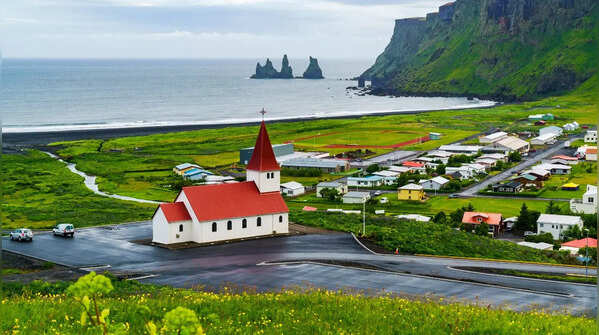
With a tiny population and epic, volcanic landscapes, Icelanders live by a "we’re all in this together" code. Trust in the government is sky-high, and the social safety net is ironclad. It’s a place where you can be a world-famous artist and still run into your prime minister at the local heated pool.

Denmark: The "Hygge" Standard
Denmark’s secret sauce is Hygge—that intentional coziness and connection. But beneath the candlelight is a rock-solid system of equality. High taxes pay for a life where nobody is left behind, and the work-life balance is so respected that staying late at the office is actually seen as a sign of poor planning.
Costa Rica: The "Pura Vida" Breakout
The biggest story of 2026! Costa Rica climbed from 23rd to 4th in just three years. They’ve proven that you don't need a Nordic winter to be happy. By investing in education and the environment instead of a military, they’ve fostered a culture of "Pura Vida" (pure life) where family, sunshine, and a slower pace are the true currencies.
Sweden: Balance and "Lagom"
In Sweden, most people follow the philosophy of "Lagom"— which means, not too much, not too little, just right. Their society built on the concept of fairness. Some of the little perks that makes life different in Sweden include: generous parental leave, the "right to roam" in nature, etc. People in Sweden feel empowered to live a life that reflects their personal values, and not just their job titles.

Norway: Security in the Great Outdoors
Norway turns its natural wealth into social wealth. Happiness here is found in a "Friluftsliv" (open-air life) lifestyle. Whether it’s skiing or hiking, the government ensures that everyone has the time and resources to get outside. When your basic needs are met, you’re free to pursue what actually makes you feel alive.

Netherlands: Practical Contentment
The Dutch have a refreshingly direct way of living. Their happiness is built on freedom and equality. With world-class infrastructure, their life feels manageable. People here work hard but also guard their personal time fiercely-- thus having good work-life balance.

Israel: Resilience and Connection
Surprising to many, Israel was in the top 10 list of the happiest countries in the world. Its happiness is rooted in intense social bonds. In a region that can be high-stress, their society is reliant on family and community. This helps people have a deep sense of belonging. It’s proof that happiness can be felt even in complex and stressful places, when people feel truly connected to one another.

Luxembourg: Stability and Openness
Luxembourg has a unique blend of high living standards and safety. Because it’s so diverse, there’s a natural culture of openness. Happiness here comes from the comfort of a system that works perfectly—where the commute is free (public transport is $0$) and the future feels predictable.
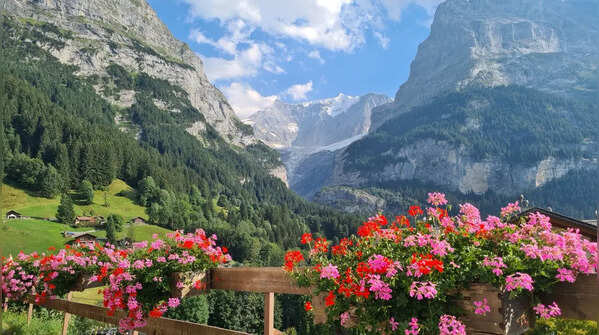
Switzerland: The Calm Professional
Switzerland treats happiness like a well-made watch: precise, reliable, and high-quality. With breathtaking Alpine views and an emphasis on direct democracy, Swiss citizens feel they have a real say in their lives. It’s a quiet, organized, and deeply satisfying way to live.
Featured In Relationships

