
Trending
Sisterhood, stories, and the search for truth, ft. Team Something Like Truth

On International Women's Day, the play 'Something Like Truth' explored the subjective nature of truth through four characters' differing memories. The women-led production, directed by Parna Pethe and written by Shanta Gokhale, delves into empathy and the emotional weight of portraying complex lives. The cast emphasized the universal human need for connection and understanding beyond societal labels.

Parna Pethe, director of the play Something Like Truth (Picture credits: Jignesh Mistry)
We are living through so many unexpected things today. Often, we don’t know what is true and what is false anymore. In a way, Something Like Truth is also an attempt to search for meaning in that chaos.
-Parna Pethe, director
“Live performance creates something that technology cannot replace. “When you sit in a theatre and watch a living person experiencing something in front of you, you can feel your own breathing change. That shared moment creates a sense of community.”
-Kalyanee Mulay, actor
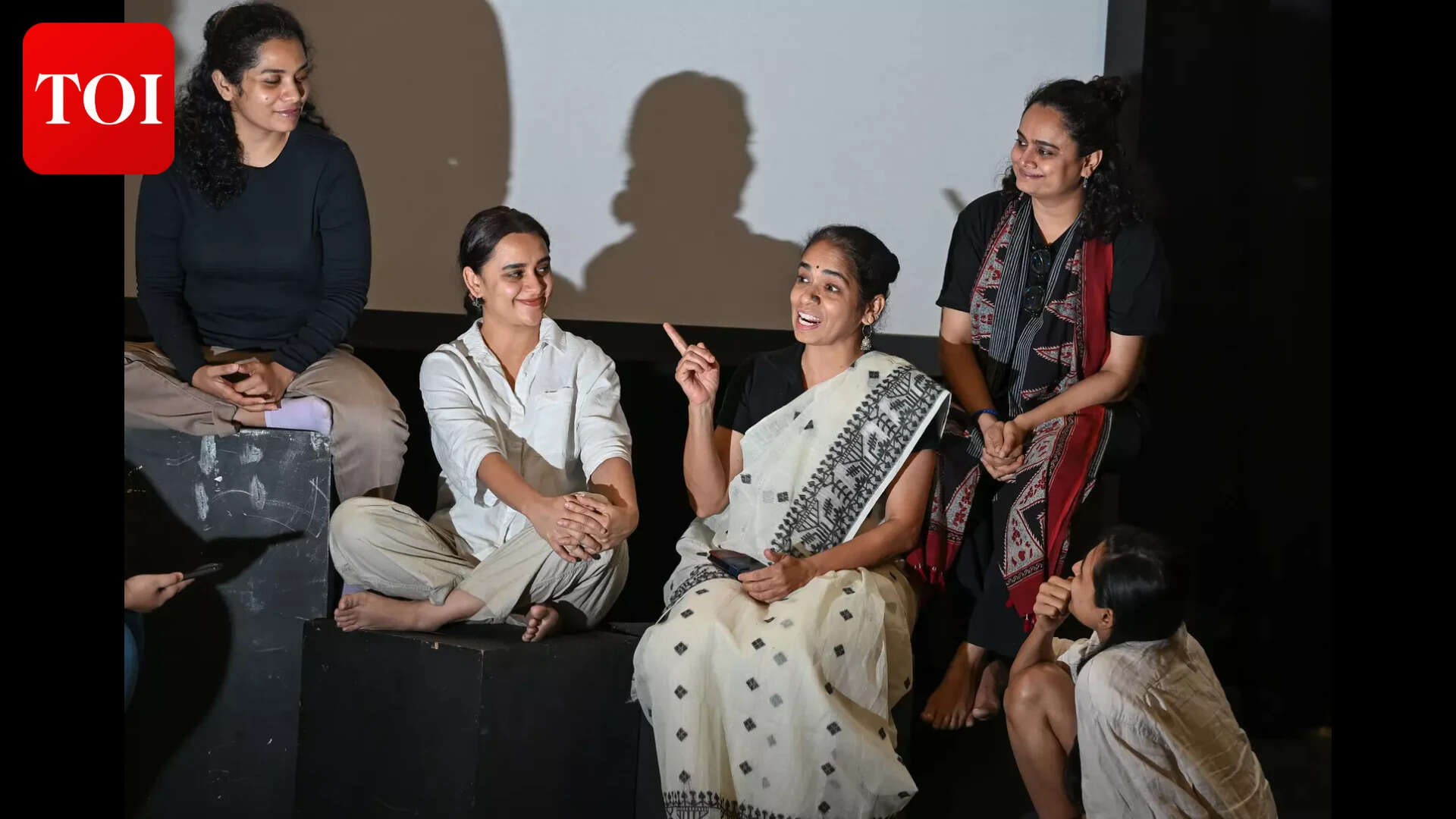
Team Something Like Truth L-R: Sharvari Deshpande, Parna Pethe, Ashwini Giri, Kalyanee Mulay, Dusha (Picture credits: Jignesh Mistry)
Over the last year and a half of working together, there has been a very strong and honest sense of sisterhood within the team. That sense of connection extends beyond rehearsals
-Sharvari Deshpande, actor

About the AuthorDnyaneshwari Katkar
End of Article
Follow Us On Social Media
Health +
Tired of too many ads?go ad free now
lifestyle videos
Featured In Lifestyle

Tired of too many ads?go ad free now



Hot on the Web
Border 2 OttKhushboo SundarMonalisa BhosleDhurandhar The RevengeArchana Puran SinghEtihad AirwaysDubai Airports UpdateAkshay KumarAjith KumarDelhi AirportSreeleela HouseDhurandhar 2Jana NayaganEid Ul Fitr 2026Hansika MotwaniAir IndiaBaby NamesShah Rukh KhanJr NtrShakti MohanKamal HaasanHindu New Year 2026Gaurav KapurIndian BreakfastNeena GuptaQueen VictoriaHoroscope TodayNeanderthal MenWISA ActCooked Chicken Shelf LifeToday Gold Rate in ChennaiDelhi Weather TodayDelhi AQI TodayMumbai AQI TodayMaharashtra Public Holidays 2026Lpg Cylinder ShortageWhite PhosphorusTata SierraSam AltmanNasa Satellite CrashIndian Cobra VS Egyptian Cobra
Trending Topics
Latest MoviesBollywood MoviesHollywood MoviesTamil Movies 2026Telugu Movies 2026Malayalam Movies 2026Kannada MoviesMarathi MoviesBengali Movies 2026Top Rated Movies 2026Best Hindi MoviesBest English MoviesBest Telugu MoviesBest Tamil MoviesBest Malayalam MoviesBest Kannada MoviesBest Bengali MoviesUpcoming Hindi MoviesBest Movies Of All TimeBest Hindi Movies of All TimeLatest English MoviesLatest Malayalam MoviesEnglish TV NewsTamil TV NewsTelugu TV NewsMalayalam TV NewsKannada TV NewsMovie ReviewsBhojpuri Cinema NewsGujarati Cinema News
Popular Categories
Viral NewsK Pop NewsWeb Series NewsAnime NewsUpcoming English MoviesUpcoming Tamil MoviesUpcoming Telugu MoviesUpcoming Malayalam MoviesUpcoming Kannada MoviesFashion TipsTravel NewsEntertainment NewsBollywood NewsTollywood NewsKollywood NewsMollywood NewsFood NewsLatest Hindi MoviesLatest Tamil MoviesParenting TipsHome RemediesWeight LossBeauty TipsParenting TipsHindi VideosHindi Video SongsBhojpuri Music VideosLatest Telugu MoviesBhojpuri Music VideoHindi TV News
Latest News
Asus Republic of Gamers turns 20, launches ROG Super Fan India campaign: All the detailsBEU result for various UG programmes released at beu-bih.ac.in: Direct link to access scorecards hereReliance Digital and Gadgets Now Awards 2025: Bridging innovation with real-world demandRenault Bigster 7-seater SUV spied testing: XUV 7XO, Safari rival detailsTwo time Olympics star shares dreamy Milan Proposal, gets bombarded with heartfelt wishes by Olympics champions on Instagram'Enjoy Enjaami' row: Santhosh Narayanan hits back after Arivu issues fresh clarification on social mediaAfter 10 years, Amazon may make a big change to its biggest sale of the year, Prime Day saleIs the AI prophecy rewriting itself? How artificial intelligence is proliferating side gigs in US instead of killing themHow Justin Verlander’s wife Kate Upton built her $20 million net worth while shaping her own identity in fashion and HollywoodFortnite Chapter 7 Season 2: Battle Pass, skins, and more leaksPriyadarshan to reunite with Mohanlal for his 100th movie, director hints at a music-based storyIran war enters Day 14: As conflict completes two weeks, what we know so far - Tehran explosions, Israel strikes, US aircraft crashAyushmann Khurrana, Sara Ali Khan to shoot a patriotic number for their upcoming spy comedy: ReportShahid Kapoor, Rashmika Mandanna, Kriti Sanon’s 'Cocktail 2' teaser set to release with 'Dhurandhar 2', film hits the screens on THIS date2 Indians killed, 10 injured in Iranian drone attack in Oman, says MEA‘Main Vaapas Aaunga’ teaser out: Diljit Dosanjh, Sharvari star in Imtiaz Ali's epic partition love saga - WATCH VIDEOMaharashtra plans strict law to regulate private preschools; mandatory registration, quality norms proposedTrump’s volte-face: Why US is suddenly clearing a path for Russian oil