
- News
- Health News
- Feeling tired, achy, or weak? Expert says low vitamin D could be the cause, here’s how sunlight, nutrition, and doctor-guided supplements can help
Feeling tired, achy, or weak? Expert says low vitamin D could be the cause, here’s how sunlight, nutrition, and doctor-guided supplements can help

The “sunshine vitamin” paradox
It sounds almost ironic. People live in bright, sun-filled regions, yet millions struggle with low vitamin D levels.
Doctors say this quiet deficiency has become one of the most widespread nutritional problems today. Urban lifestyles, indoor work culture, rising pollution, and changing diets have all played a role. Many people move between home, office, and car without spending meaningful time under the sun.

What do experts say?
Dr Monika Sharma, Senior Consultant – Endocrinology at Aakash Healthcare, explains that the problem is often underestimated, “Vitamin D deficiency has quietly emerged as one of the most common nutritional problems worldwide, affecting millions of people across different age groups. Despite living in sunny regions, a large number of people still suffer from low vitamin D levels due to modern lifestyles, limited sun exposure, and dietary habits.”
The consequences go beyond weak bones. Vitamin D supports immunity, muscles, and even mood. When levels drop for long periods, the body begins to signal distress in subtle ways.

Why vitamin D matters more than people realise
Vitamin D works like a key that helps the body unlock calcium. Without it, calcium from food cannot be absorbed properly.
This process is essential for building strong bones and maintaining muscle strength. Over time, low vitamin D disrupts the body’s calcium balance. Bones slowly weaken, increasing the risk of fractures, pain, and mobility problems.
Health experts also note that vitamin D supports immune function. It helps the body fight infections and regulates inflammation.
Vitamin D is essential not only for bone health but also for maintaining a strong immune system and proper muscle function. Many people underestimate the importance of sunlight exposure and balanced nutrition. When vitamin D levels remain low for a long period, it can contribute to fatigue, bone weakness, and increased vulnerability to infections. Timely diagnosis and proper supplementation can help prevent long-term health complications.
Scientists continue to explore links between vitamin D and conditions such as diabetes, heart disease, and mood disorders.

The surprising rise of vitamin D deficiency
One might assume vitamin D deficiency should be rare in tropical countries. The opposite is happening.
Large population studies show the scale of the issue. According to a study published in the NIH a significant proportion of Indians have insufficient vitamin D levels despite abundant sunlight.
Another government-supported analysis published by the National Institute of Nutrition (NIN) found that vitamin D deficiency affects a majority of urban populations across India.

Several factors explain this paradox
Modern lifestyles keep people indoors for most of the day. Office workers sit in closed spaces. Students spend long hours studying. Even leisure activities often involve screens instead of outdoor time.
Pollution adds another layer to the problem. Thick urban smog can reduce ultraviolet B (UVB) rays reaching the skin, which are necessary for vitamin D production.
Skin tone also plays a role. People with darker skin need longer sunlight exposure to produce the same amount of vitamin D compared with lighter skin.
Subtle warning signs the body may send
Vitamin D deficiency rarely appears suddenly. Instead, the body sends quiet signals.
Persistent tiredness is often the first complaint. Many people assume fatigue comes from work stress or poor sleep, but low vitamin D can also contribute.
Muscle weakness is another common sign. Some people notice difficulty climbing stairs or feel unusual heaviness in their legs.
Doctors also observe frequent infections in people with low levels. Vitamin D plays a role in immune defence, so deficiency may make the body more vulnerable.
Bone pain is another warning sign. It can appear in the lower back, hips, or legs. Over time, severe deficiency may cause bone softening.
Children with extreme deficiency may develop rickets, a disorder that affects bone development. Adults may develop osteomalacia, which causes bones to become fragile and painful.
Mood changes can also occur. Some individuals report low mood or depressive symptoms when vitamin D levels remain low for long periods.

Sunlight: the body’s natural vitamin D factory
Sunlight remains the most effective natural source of vitamin D.
When ultraviolet B rays touch the skin, the body begins producing vitamin D through a complex biochemical process. This is why the nutrient is often called the “sunshine vitamin.”
Doctors recommend safe sun exposure for about 15 to 30 minutes several times a week. Morning sunlight is often preferred because it is milder and easier on the skin.
However, several factors influence how much vitamin D the body produces. These include skin tone, age, time of day, air pollution, and geographical location.
Excessive sunscreen use may also reduce vitamin D production because it blocks UVB rays. Dermatologists suggest balancing sun protection with moderate exposure rather than avoiding sunlight entirely.

Foods that can help support vitamin D levels
Sunlight alone may not always be enough, especially for people with limited outdoor time.
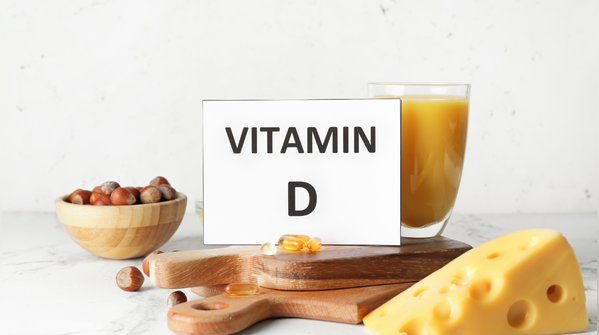
Dietary sources can help fill the gap. Although vitamin D is not naturally present in many foods, a few options contain meaningful amounts.
Fatty fish are among the richest natural sources. Egg yolks also contain small amounts.
Mushrooms exposed to sunlight can provide vitamin D as well. Many countries also fortify everyday foods like milk, cereals, and plant-based beverages with vitamin D.
Nutrition experts say diet alone may not fully correct deficiency, but it plays an important supporting role.
A balanced diet that includes healthy fats can also help the body absorb vitamin D better because it is a fat-soluble vitamin.

When supplements become necessary
For people with severe deficiency, doctors may recommend vitamin D supplements.
This decision usually follows a blood test called 25-hydroxy vitamin D, which measures the body’s vitamin D levels. The test helps doctors determine the severity of deficiency and the appropriate dosage.
Medical supervision is important. Taking high doses without guidance can lead to vitamin D toxicity, which may cause calcium imbalance and kidney complications.
Doctors often combine supplementation with lifestyle changes such as improved diet, sunlight exposure, and regular exercise.
Routine health check-ups can help detect deficiencies early before symptoms worsen.

A reminder from modern medicine
The rise of vitamin D deficiency reflects a broader shift in how people live today. Work happens indoors, movement has decreased, and diets have changed.
Yet the solution remains surprisingly simple: sunlight, balanced nutrition, and timely medical advice.
As awareness grows, doctors hope more people will treat vitamin D not as an afterthought but as a basic pillar of health.
Sometimes the body only needs a little sunlight to restore balance.
Medical experts consulted
This article includes expert inputs shared with TOI Health by:
Dr Monika Sharma, Senior Consultant – Endocrinology at Aakash Healthcare.
Inputs were used to explain the common warning signs of low vitamin D levels and how simple measures such as adequate sunlight exposure, a balanced diet, and doctor-guided supplementation can help restore healthy levels and prevent related health problems.
Featured In Health

