
- News
- lifestyle
- soul-search
- Why visiting the Banaras ghats can change the way you see life and death
Why visiting the Banaras ghats can change the way you see life and death
Why visiting the Banaras ghats can change the way you see life and death
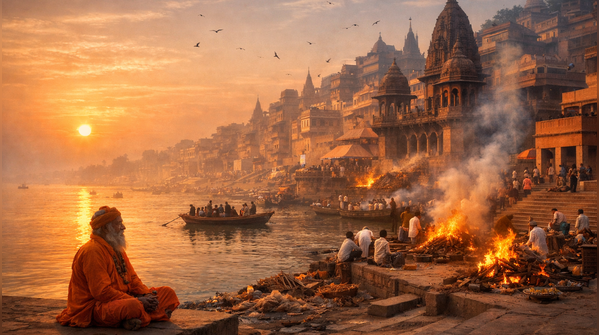
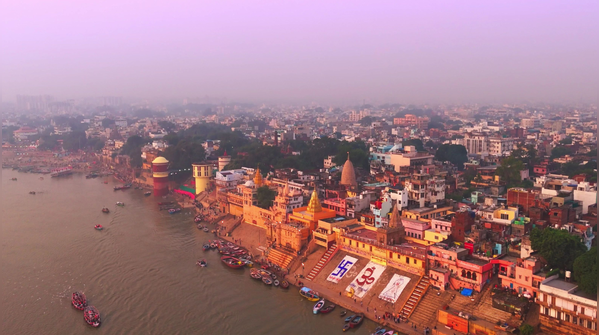
Banaras, or Varanasi, has a way of undoing the noise in your head. The city’s riverfront stretches for about 6.5 kilometres, lined with ghats that are not just steps to the Ganga but stages where devotion, work, grief, routine and celebration all unfold side by side. UNESCO describes Varanasi as one of the world’s oldest continuously living cities, with the ghats at the heart of its cultural and spiritual life. That is why people leave the city feeling they have not merely visited a destination, but witnessed a philosophy in motion. At the ghats, life and mortality sit in the same frame. Pilgrims descend for ritual baths, families gather for prayer, boatmen wait for passengers, sadhus sit in stillness, and vendors call out over the water. The Ganga is revered as sacred in Hindu tradition, and the riverfront of Varanasi has long been tied to bathing, prayer and cremation rituals. That blend of the sacred and the everyday is what makes the city feel emotionally intense, even to people who arrive with no spiritual agenda at all. Scroll down to read more...
A riverfront that feels alive
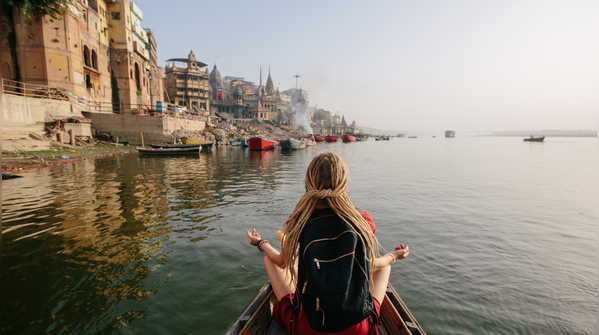
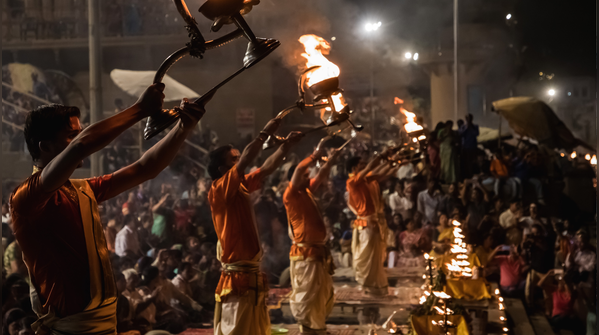
What hits most visitors first is the sheer texture of the place. Narrow lanes spill into open steps. Bells ring somewhere in the background. Incense drifts slowly through the air. The river changes colour with the light, turning pale gold at sunrise and deep copper by dusk. At dawn, the ghats feel almost meditative, priests murmuring prayers, early bathers stepping quietly into the Ganga, boatmen preparing their wooden boats for the day. By evening, the same riverfront turns theatrical as lamps rise, chants echo and crowds gather for the Ganga Aarti at Dashashwamedh Ghat, a ritual that unfolds in rhythmic waves of fire, bells and collective devotion.
Where life and death share the same horizon
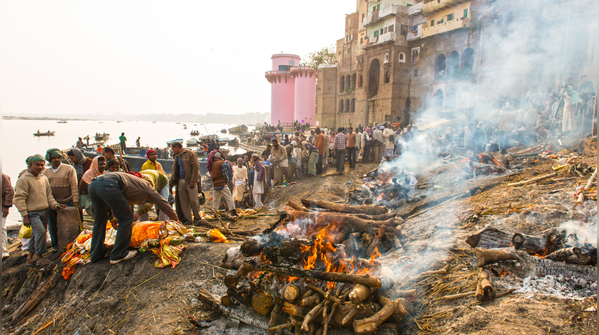
Perhaps the most profound shift happens when visitors realise how naturally Banaras holds both life and death together. At certain ghats, cremation fires burn through the day and night, a reminder that mortality is not hidden away here but acknowledged openly. Just a few steps away, children play, pilgrims pray and boats glide across the river.
For many visitors, this proximity changes perspective. Death feels less like an abstract fear and more like a natural passage in the larger rhythm of existence. Watching rituals unfold along the river often leads to quiet reflection about impermanence, purpose and what truly matters. In a strange way, confronting the reality of life’s end can make the present moment feel more vivid and meaningful.
Standing there, people often realise how fragile and brief life truly is. The constant reminder of endings makes everyday moments feel more precious, conversations with family, time spent with friends, even the simple act of watching the river flow. It quietly shifts priorities. Visitors often leave with the sense that life is not meant to be endlessly postponed or filled only with worry and routine. Instead, it becomes a reminder to value time, express love more openly, and not delay the things that genuinely matter. In the shadow of those ancient ghats, the urgency of living well suddenly becomes very clear.
The quiet wisdom of everyday conversations
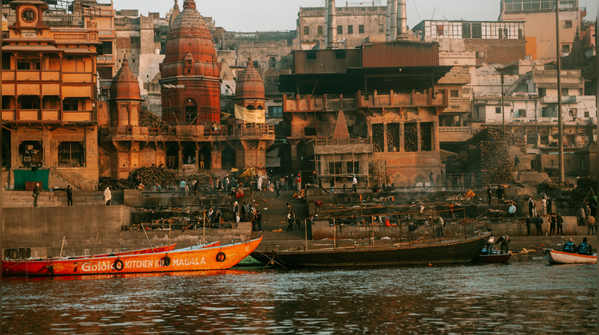
There is also a quieter reason Banaras stays with people: the city seems full of observers. Not just tourists with cameras, but locals who watch life carefully. Boatmen, priests, street vendors, students and elderly residents often speak with a kind of unhurried certainty that feels rare in modern life. You hear practical wisdom in the way they talk about the river, the weather, the rituals, the crowds and the changing city. The insights rarely arrive as lectures; they surface casually in conversation, in a story about the Ganga, in a reflection on time, faith or patience. It is the kind of understanding you rarely encounter anywhere else, shaped by living closely with the rhythms of the place for decades.
How to make the most of your time there
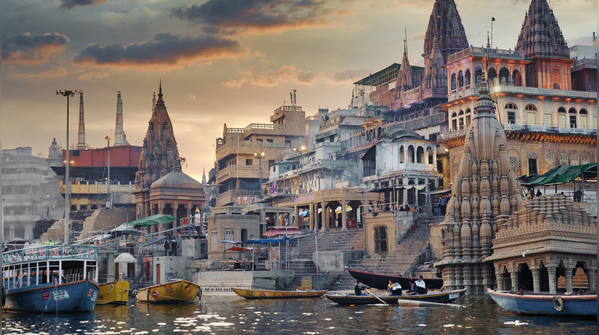
Start early. The best version of Banaras is often the one that arrives before the city fully wakes. A sunrise boat ride gives you the broadest view of the ghats and a calmer, less crowded atmosphere. The official tourism pages describe boat rides as one of the city’s defining experiences, and they are right: from the water, you see the city as a long, breathing riverfront rather than a chaotic tangle of steps and alleys.
Do not rush the walks. The real Banaras often lives between the famous landmarks. Spend time at Assi Ghat for a softer, younger mood and early morning spiritual sessions; move toward Dashashwamedh for the evening ceremony; and approach Manikarnika with quiet respect, since it is a cremation ghat that carries deep religious significance. Even a short walk between ghats reveals how differently each space holds the same city’s soul.
Eat like you belong there
Banaras is not only a spiritual city; it is a deeply edible one. Street food here is as iconic as the temples and the river. Kachori sabzi and choora matar are morning staples, while the city is equally famous for its richly layered Banarasi paan and flavourful snacks. Eat early, eat simply, and let the city guide you. A plate of kachori sabzi in the morning, a lassi break in the heat, a paan after a long walk, and some chaat in the evening can turn the day into a proper Banaras rhythm.
Travel smart, stay present
Carry comfortable shoes, because the ghats and lanes reward walking more than rushing. Keep your valuables light. Dress modestly near religious sites. For the Aarti, arrive early enough to find a clear view, or watch from a boat if you prefer less crowd pressure. Pause sometimes along the steps of the river, where pilgrims bathe, priests chant and boats drift slowly across the Ganga. These small moments often reveal the quiet rhythm of the city more than any rushed itinerary. And when the city slows you down, let it. Banaras is not a place to “cover”; it is a place to absorb.
In the end, Banaras changes people because it quietly confronts you with both devotion and death, reminding you that life is fleeting yet deeply meaningful. Witnessing the city’s rituals and reflections along the river often leaves visitors with a sharper awareness of how precious time and life itself truly is.
Featured In lifestyle

