
- News
- lifestyle
- soul-search
- Why devotees are told not to take prasad home from Mehandipur Balaji Temple
Why devotees are told not to take prasad home from Mehandipur Balaji Temple
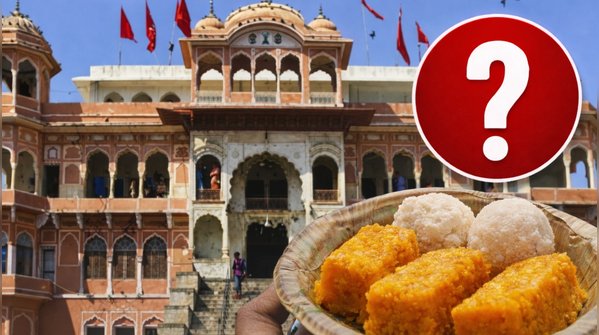
Why devotees are told not to take prasad home from Mehandipur Balaji Temple
In India, prasad, food offered to a deity and then distributed among devotees, is usually taken home as a blessing. But one famous shrine breaks this familiar pattern. At the Mehandipur Balaji Temple in Rajasthan’s Dausa district, devotees are traditionally advised not to take prasad, food, or any offering out of the temple premises. This rule has long intrigued visitors and pilgrims alike. Unlike most temples where prasad is shared with family members, the customs at Mehandipur Balaji follow a very different spiritual logic rooted in the temple’s unique rituals and centuries-old beliefs. Scroll down to read more.
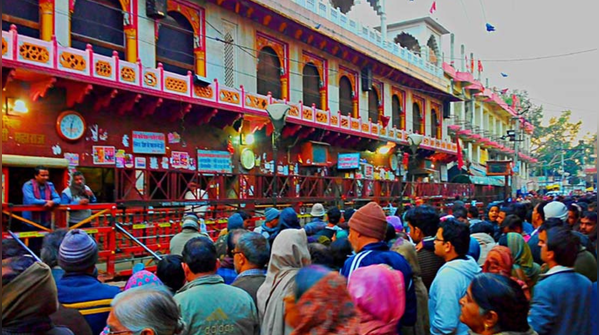
A temple associated with spiritual healing
The temple is dedicated to Hanuman, worshipped here in his child form known as Balaji. Over the years, the shrine has become widely known for rituals believed to relieve devotees from negative energies, spirit possession, or unexplained suffering. Because of this reputation, the temple atmosphere is very different from that of a typical pilgrimage site. Alongside routine worship, special rituals are performed for people believed to be under the influence of spirits or harmful energies. Observers often report unusual scenes, including devotees chanting loudly or undergoing ritual prayers intended to remove spiritual disturbances. These unique practices are the main reason why strict rules govern what devotees can and cannot do after offering prayers.

The belief about prasad and negative energy
According to local tradition, offerings made in the temple, such as laddoos, rice, or other food items, are part of specific ritual processes meant to symbolically transfer or neutralise negative energies. Devotees usually offer prasad to multiple deities inside the temple complex. For example, laddoos may be offered to Balaji, rice to the deity Pretraj Sarkar, and urad dal to Bhairav Baba, who are also worshipped at the site as part of the ritual system. Once these offerings are made, devotees are advised to leave them within the temple area rather than carry them away.
The belief is that if prasad is taken home, it could symbolically carry with it the negative energies that the rituals were meant to remove. For this reason, devotees are told to either consume the prasad immediately within the temple premises or leave it there as part of the offering.
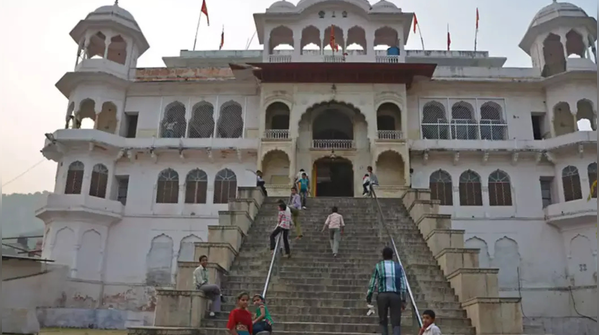
Ritual rules followed by visitors
The instruction not to carry prasad home is part of a wider set of rules followed by many pilgrims visiting Mehandipur Balaji. Traditionally, devotees are advised to follow certain guidelines during their visit. These include avoiding certain foods such as onion, garlic, alcohol, or non-vegetarian meals for a few days before the pilgrimage. Visitors are also advised not to turn back while leaving the temple and to avoid carrying any food or object from the temple premises.
The belief behind these rules is that the temple is spiritually intense due to the rituals performed there. By leaving offerings behind and exiting the temple without looking back, devotees symbolically detach themselves from the spiritual disturbances that they came to overcome.
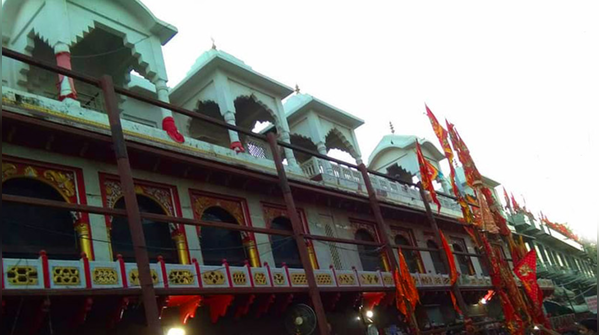
Tradition, belief, and evolving views
While the belief remains strong among many pilgrims, some recent reports have suggested that temple authorities and devotees sometimes interpret the rule differently today. In some cases, people have said they were allowed to take certain forms of prasad distributed officially by the temple trust.
However, the traditional guidance, deeply rooted in local faith, still advises visitors not to carry offerings outside the temple. For many devotees, following these rules is seen as a sign of respect for the spiritual system associated with the shrine.
Many pilgrims also say that the temple’s customs are meant to maintain the sanctity of the rituals performed there. Because the shrine is closely linked with spiritual cleansing practices, devotees believe that certain offerings should remain within the temple premises as part of the ritual cycle.
Ultimately, the practice reflects the unique spiritual identity of Mehandipur Balaji Temple. Unlike most temples that focus only on worship and blessings, this shrine is associated with ritual healing and the removal of negative forces. Because of that context, customs surrounding prasad developed differently from the rest of the country. What might appear unusual to outsiders is understood by devotees as part of a centuries-old spiritual discipline.
Featured In lifestyle

MORE FROM ETIMES
life & style