
Trending
Who is the Missile Woman of India? From curiosity to the Agni programme: The inspiring story of Tessy Thomas

Growing up near rockets and sea winds

A path shaped by science and determination
Rising through India’s missile programme
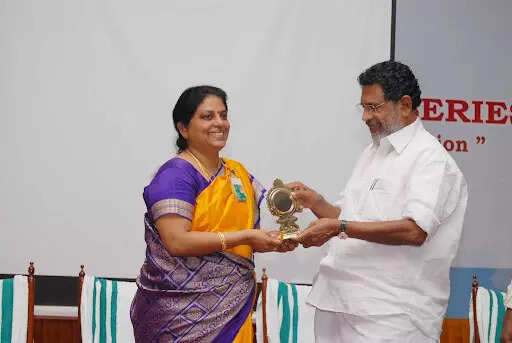
Balancing science and family
Breaking barriers for women in science
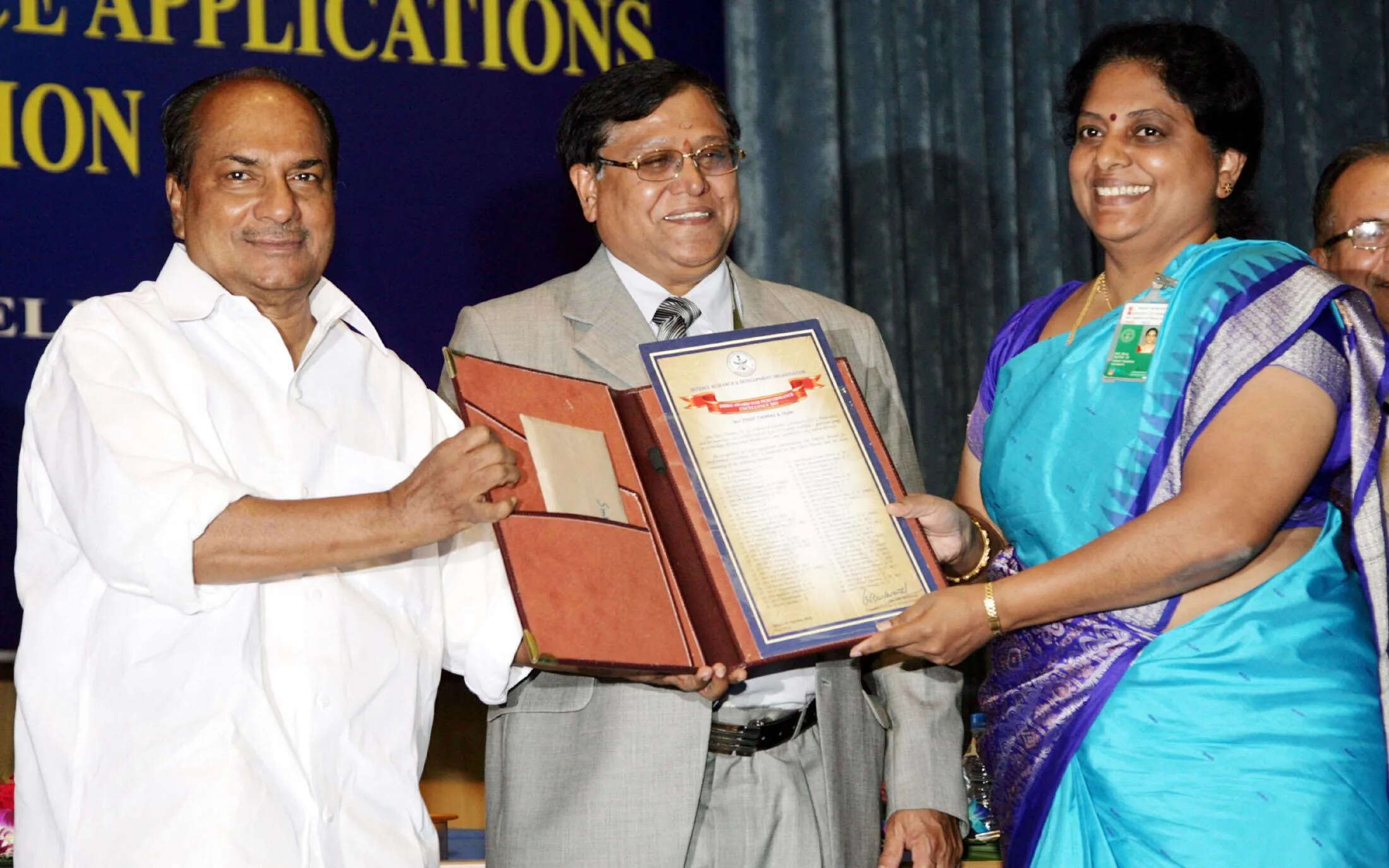
A story of curiosity turning into national achievement

About the AuthorTOI Lifestyle Desk
End of Article
Follow Us On Social Media
Health +
Tired of too many ads?go ad free now
lifestyle videos
Featured In Lifestyle

Tired of too many ads?go ad free now



Hot on the Web
Khushboo SundarMonalisa BhosleDhurandhar The RevengeArchana Puran SinghEtihad AirwaysDubai Airports UpdateAkshay KumarAjith KumarDelhi AirportBreast CancerDhurandhar 2Jana NayaganSorab BediAnurag Dobhal WifeAir IndiaBaby NamesShakti MohanShah Rukh KhanJr NtrBhooth Bangla TeaserHari Murali Death NewsGaurav KapurIndian BreakfastNeena GuptaQueen VictoriaAnurag KashyapHoroscope TodayNeanderthal MenWISA ActCooked Chicken Shelf LifeToday Gold Rate in ChennaiDelhi Weather TodayDelhi AQI TodayMumbai AQI TodayMaharashtra Public Holidays 2026Lpg Cylinder ShortageWhite PhosphorusTata SierraSam AltmanNasa Satellite CrashIndian Cobra VS Egyptian Cobra
Trending Topics
Latest MoviesBollywood MoviesHollywood MoviesTamil Movies 2026Telugu Movies 2026Malayalam Movies 2026Kannada MoviesMarathi MoviesBengali Movies 2026Top Rated Movies 2026Best Hindi MoviesBest English MoviesBest Telugu MoviesBest Tamil MoviesBest Malayalam MoviesBest Kannada MoviesBest Bengali MoviesUpcoming Hindi MoviesBest Movies Of All TimeBest Hindi Movies of All TimeLatest English MoviesLatest Malayalam MoviesEnglish TV NewsTamil TV NewsTelugu TV NewsMalayalam TV NewsKannada TV NewsMovie ReviewsBhojpuri Cinema NewsGujarati Cinema News
Popular Categories
Viral NewsK Pop NewsWeb Series NewsAnime NewsUpcoming English MoviesUpcoming Tamil MoviesUpcoming Telugu MoviesUpcoming Malayalam MoviesUpcoming Kannada MoviesFashion TipsTravel NewsEntertainment NewsBollywood NewsTollywood NewsKollywood NewsMollywood NewsFood NewsLatest Hindi MoviesLatest Tamil MoviesParenting TipsHome RemediesWeight LossBeauty TipsParenting TipsHindi VideosHindi Video SongsBhojpuri Music VideosLatest Telugu MoviesBhojpuri Music VideoHindi TV News
Latest News
Average US mortgage rate climbs to 6.11% as Middle East tensions unsettle bond marketsSNL fame actor Maya Rudolph to portray Mary Todd Lincoln in her Broadway debut for play 'Oh Mary'India’s 50-over question: After T20 World Cup heroics, can Sanju Samson and Ishan Kishan break into India’s ODI plans?‘Yeh Rishta Kya Kehlata Hai’ March 12 written update: Aryan comes back from the US with his girlfriendSpecialised tribunal for bldg disputes: HCTop stocks to buy today: Stock recommendations for March 13, 2026 - check listTom Brady’s love life takes another twist as NFL legend exits Bezos party with Scooter Braun’s exWho are the 'Bombay Rockers'? Meet the iconic duo behind 'Aari Aari' remake from 'Dhurandhar: The Revenge''For their own life and safety': Donald Trump raises concerns over Iran team at FIFA World Cup"No kissing baby anywhere...": Eminem's pregnant daughter Alaina Scott shares 'boundaries' she will set with family after welcoming babyWho was behind the US synagogue attack? DHS names Lebanon-born Ayman Mohamad GhazaliUS KC-135 Stratotanker crashes in Iraq: Watch midair refuelling in action, how the process worksHansika Motwani shares cryptic ‘Chardi Kala always’ post after split from Sohael KhaturiyaAllu Sirish shares first thoughts on married life after wedding with Nayanika Reddy; recalls advice from Vijay DeverakondaFrom child labour to child rights leader: The Om Prakash Gurjar story‘Kyunki Saas Bhi Kabhi Bahu Thi 2’ March 12 written update: Ritik and Munni’s mehendi event starts with a bangSunjay Kapur estate row: Sister Mandhira Kapur Smith files reply to Priya Sachdev’s defamation suitKamal Haasan and Rajinikanth’s 'KH x RK' may release in 2027; Dussehra or Diwali window eyed - Reports