
- News
- lifestyle
- parenting
- teens-adolescents
- Small signs, big signals: Identifying mental health concerns in children
Trending
Small signs, big signals: Identifying mental health concerns in children
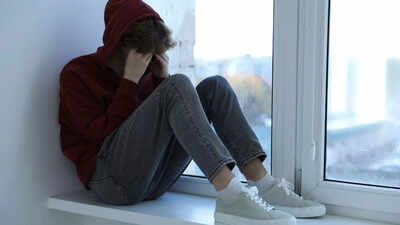
Child and adolescent mental health is shaped by family stress, poverty, trauma, genetics, and biological factors. Early signs include persistent sadness, withdrawal, and extreme behaviour. Many disorders begin in childhood, affecting learning and relationships. Early recognition, supportive parenting, and timely intervention are essential for healthy emotional, psychological, and social development.
Common factor includes:
Genes & family history
Their learning is negatively impacted because of poor concentration, distractibility, inability to retain information, poor peer relationships and aggressive behaviour .50% of the Mental health problems are established by age 14 and 75% by age 24. 10% of the children and young people ( aged 5 - 16 years) have clinically diagnosable mental problems . Yet 70% of children and adolescents who experience Mental health problems have not had appropriate interventions at a sufficiently early age.
Warning signs of Mental illness in children is
- Withdrawing from or avoiding social interaction
- Hurting oneself or talking about hurting oneself.
- Talking about death or suicide.
- Outbursts of extreme irritability
- Out of control behaviour that can be harmful.
Ten C's of supportive parenting
Understanding some childhood disorders are:

About the AuthorSugami Ramesh
End of Article
Follow Us On Social Media
Health +
Tired of too many ads?go ad free now
lifestyle videos
Featured In Parenting
Tired of too many ads?go ad free now



Hot on the Web
Women's Day WishesVijayShah Rukh KhanPriyanka ChopraBadshahLab Grown GoldJaved AkhtarThe Kerala Story 2Tongue Health ProblemsMagnesium DeficiencyMasterchef India WinnerRavi GhaiRajinikanth Family TreeKunal KhemuAllu Sirish & Nayanika Reddy WeddingChiranjeeviAllu ArjunGovindaYami GautamAmitabh BachchanRERA 2.0Maheika SharmaThe Great Indian Kapil Show 4Anurag DobhalDeeksha SethYoung Sherlock ReviewHoroscope TodayThe Bluff Movie ReviewBorder 2 Movie ReviewTu Yaa Main Movie ReviewToday Gold Rate in ChennaiDelhi Weather TodayDelhi AQI TodayMumbai AQI TodayMaharashtra Public Holidays 2026Maruti Brezza Facelift SpiedLab Grown DiamondsMark ZuckerbergSam AltmanSocial Media BanMaruti Suzuki e-Vitara
Trending Topics
Latest MoviesBollywood MoviesHollywood MoviesTamil Movies 2026Telugu Movies 2026Malayalam Movies 2026Kannada MoviesMarathi MoviesBengali Movies 2026Top Rated Movies 2026Best Hindi MoviesBest English MoviesBest Telugu MoviesBest Tamil MoviesBest Malayalam MoviesBest Kannada MoviesBest Bengali MoviesUpcoming Hindi MoviesBest Movies Of All TimeBest Hindi Movies of All TimeLatest English MoviesLatest Malayalam MoviesEnglish TV NewsTamil TV NewsTelugu TV NewsMalayalam TV NewsKannada TV NewsMovie ReviewsBhojpuri Cinema NewsGujarati Cinema News
Popular Categories
Viral NewsK Pop NewsWeb Series NewsAnime NewsUpcoming English MoviesUpcoming Tamil MoviesUpcoming Telugu MoviesUpcoming Malayalam MoviesUpcoming Kannada MoviesFashion TipsTravel NewsEntertainment NewsBollywood NewsTollywood NewsKollywood NewsMollywood NewsFood NewsLatest Hindi MoviesLatest Tamil MoviesParenting TipsHome RemediesWeight LossBeauty TipsParenting TipsHindi VideosHindi Video SongsBhojpuri Music VideosLatest Telugu MoviesBhojpuri Music VideoHindi TV News
Latest News
Harvard layoffs extend to alumni affairs office as budget squeeze growsQuote of the day by James Earl Jones: ‘Isolation can work two ways; it can make you hostile and mean; it can also….’"Will make Tehri important place for water, adventure sports": CM Dhami attends Tehri Lake FestivalFour govt officials injured while preventing child marriageTirchy - Erode passenger, a few other trains to be partially cancelled on March 9USATF asks World Athletics to review US Half Marathon chaos after Jess McClain, Hurley and Kurgat misdirectedNo shortage of funds for development works, no place for laxity: Delhi CMDigital fraud rules: RBI proposes faster complaint resolution, wider protection for banking customersState power tariffs remain same as regulator retains ratesJustin Herbert’s PDA on Madison Beer’s birthday post melted the entire fandomNilgiri Mountain Railway to operate summer special trains'We voted for you, now do your job': Nepal’s Gen Z warn new leadersCanada launches programme to give 33,000 foreign workers permanent residence. Here’s what immigrants should knowDonald Trump suggests Cuba will fall 'soon', says 'will put Rubio over there'Meet the black rat that conquered the world: The tiny stowaway that spread plague, famine, and chaos across continents and changed human historyLamichhane: TV star who built RSP that caught Nepal’s imagination in just 4 yrsNCB busts Nepal-to-Sri Lanka drug network worth Rs 10 crore; 5 arrested, 77.6 kg Hashish oil seizedResearch company claims spyware posing as Israel's Red Alert Android app targeting users