Beyond the Flag hoisting: Talking to children about rights and duties
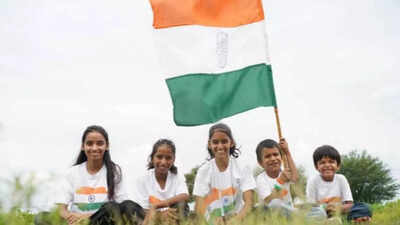
Get the latest lifestyle updates on Times of India, along with Republic Day Wishes, Messages, Quotes and speech!

About the AuthorTOI Lifestyle Desk
End of Article
Follow Us On Social Media
Tired of too many ads?go ad free now
lifestyle videos
Featured In Parenting

Tired of too many ads?go ad free now
MORE FROM ETIMES
life & styleHot on the Web
Republic Day WishesAmitabh BachchanAbhijit MajumdarAbhijit Majumdar Death CauseRepublic Day MessagesJana NayaganRepublic Day WishesJaaved JaaferiBorder 2 CollectionFake Sweet PotatoBorder 2 ReviewBorder 2 Movie ReviewDhurandhar OTTRalph Waldo EmersonStephen HawkingBaby NamesTom CruiseBaba Vanga Prediction 2026Palaash MuchhalRimi SenSenecaThe 50 ContestantsDhurandhar OTTRabbi ShergillThe Raja Saab Box Office CollectionDhurandhar Movie CollectionAsia Longest RiverKumar SanuDhurandhar Movie ReviewAnand MahindraWilliam ShakespeareRiver That Flows BackwardsWorld Largest Beaver DamSnake Plant BenefitsQuote Of The Day By Bill GatesLongest Venomous King CobraMoon LakeLara TrumpJensen HuangGoogle Photo AI MemeDavos 2026
Trending Topics
Latest MoviesBollywood MoviesHollywood MoviesTamil Movies 2026Telugu Movies 2026Malayalam Movies 2026Kannada MoviesMarathi MoviesBengali Movies 2026Top Rated Movies 2026Best Hindi MoviesBest English MoviesBest Telugu MoviesBest Tamil MoviesBest Malayalam MoviesBest Kannada MoviesBest Bengali MoviesUpcoming Hindi MoviesBest Movies Of All TimeBest Hindi Movies of All TimeLatest English MoviesLatest Malayalam MoviesEnglish TV NewsTamil TV NewsTelugu TV NewsMalayalam TV NewsKannada TV NewsMovie ReviewsBhojpuri Cinema NewsGujarati Cinema News
Popular Categories
Viral NewsK Pop NewsWeb Series NewsAnime NewsUpcoming English MoviesUpcoming Tamil MoviesUpcoming Telugu MoviesUpcoming Malayalam MoviesUpcoming Kannada MoviesFashion TipsTravel NewsEntertainment NewsBollywood NewsTollywood NewsKollywood NewsMollywood NewsFood NewsLatest Hindi MoviesLatest Tamil MoviesParenting TipsHome RemediesWeight LossBeauty TipsParenting TipsHindi VideosHindi Video SongsBhojpuri Music VideosLatest Telugu MoviesBhojpuri Music VideoHindi TV News
Latest News
HP debuts HyperX Omen 15 gaming laptops this Republic Day, now available on FlipkartRepublic Day songs: 5 tracks by AR Rahman, Lata Mangeshkar, and more that capture India’s spirit'Isne Hindustan ki game change kar di hai': Why India’s T20 World Cup title defence needs Abhishek Sharma as much as Jasprit Bumrah, Hardik PandyaVande Mataram completes 150 years: A journey of pride, protest, and patriotismBizman run over, crushed under SUV for 25 minutes during fight in Lucknow complex; 2 heldSajid Khan returns to direction with horror film ‘Hundred’, launches Govinda’s son Yashvardhan Ahuja opposite ‘Laapataa Ladies’ star Nitanshi Goel- ReportsDid you know Vikrant Massey once broke down and cried in front of 100 people?Smooth as a bicycle ride, first Pune Grand Tour wins rave reviews‘Dhurandhar’ actor Nadeem Khan held for raping domestic help on promise of marriage in MumbaiSharman Joshi on 'Rang De Basanti' turning 20: Hindi cinema will remember foreverToo hot to handle? New Zealand players inspect Abhishek Sharma's bat after brutal knock – WATCH'Border 2' beats Jaat to become Sunny Deol's 2nd biggest hitHrithik Roshan addresses the use of crutches; says, 'Each body part comes with its own ON/OFF button''Border 2' director Anurag Singh reveals the reason behind Jackie Shroff and Tabu's absence from the filmRepublic Day 2026: PM Modi dons red-yellow Bandhej safa, a nod to Rajasthan traditionKerala State Film Awards 2024: Mammootty wins Best Actor for Bramayugam; Sharada honored with J.C. Daniel AwardMammootty says films like ‘Feminichi Fathima’ will be made only in Malayalam: ‘Only Malayalis can conceive and appreciate such films’Vikings reached America 1,000 years before Christopher Columbus; scientists confirm