
- News
- lifestyle
- parenting
- parenting-stories
- 7 things emotionally safe homes do differently: Is your home among them?
7 things emotionally safe homes do differently: Is your home among them?

7 things emotionally safe homes do differently: Is your home among them?
Emotionally safe homes are not defined by expensive furniture, perfect routines or the kind of polished calm people display for guests. They are built in quieter ways, through tone, consistency, repair and the small daily choices that tell a child, partner or parent: you are safe here. In such homes, people do not have to brace themselves before speaking. Mistakes are not treated like crimes. Feelings are not mocked, dismissed or weaponised. Instead, the atmosphere makes room for honesty, rest and trust to grow slowly over time. These homes may not always be quiet, but they feel steady. Here are seven things emotionally safe homes do differently
They speak without humiliation
In emotionally safe homes, people can disagree without being cut down. Words are not used as weapons, and correction does not come wrapped in shame. A child who spills water or an adult who forgets something is not met with sarcasm, contempt or public embarrassment. Instead, the mistake is addressed directly, but with dignity intact.
This matters because humiliation changes the emotional climate of a home. It teaches people to hide, lie or over-explain. Safe homes do the opposite. They make it easier to tell the truth, even when the truth is inconvenient.
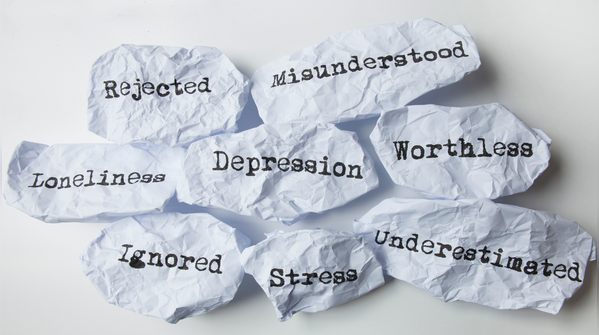
They take feelings seriously
Not every feeling needs to be agreed with, but it does need to be heard. Emotionally safe homes do not rush to say “you are overreacting” or “that is nothing.” They recognize that what feels small to one person can feel huge to another.
When a child is frightened, disappointed or angry, the response is not ridicule but recognition. When an adult says they are overwhelmed, that feeling is not dismissed as weakness. This kind of emotional seriousness helps people trust their inner world instead of constantly doubting it.
They repair after conflict
All homes have conflict. The difference is what happens after. In unsafe homes, hurt feelings are ignored, power struggles linger and silence becomes punishment. In emotionally safe homes, repair matters.
That repair may be a simple apology, a calmer conversation later or an honest acknowledgment that something went wrong. Children learn that love does not disappear after disagreement. Adults learn that relationships can survive tension without turning cold or cruel. Repair is what turns conflict into trust rather than fear.

They do not make love feel conditional
One of the deepest forms of emotional safety is knowing that affection is not withdrawn every time someone fails, disagrees or falls short. In safe homes, love is not treated like a reward for perfect behavior. It does not vanish when grades slip, tempers flare or expectations are missed.
This does not mean there are no boundaries. It means boundaries are not used as threats. The message beneath discipline is not “you are only lovable when you behave,” but “you are still loved, and we still expect better.” That distinction shapes confidence for years.

They let people be imperfect
Emotionally safe homes do not demand that everyone be cheerful, productive or easy to manage all the time. There is room for bad moods, mistakes, quiet days and emotional messiness. Nobody is forced into a performance of being fine.
That matters because perfection is not calming; it is exhausting. People in safe homes learn that they do not have to earn their place by never needing anything. They can be tired, awkward, uncertain or vulnerable and still belong. That kind of acceptance is deeply regulating, especially for children.
They listen before they lecture
Many homes are full of advice, but not enough listening. Emotionally safe homes reverse that order. Before correcting, they ask. Before assuming, they pause. Before launching into a lecture, they try to understand what is actually going on.
In these homes, emotions are not treated like inconveniences to silence as quickly as possible. A child’s fear, frustration, or sadness is not instantly dismissed with “stop overreacting” or “you’re fine.” Instead, there is room for honesty without punishment. Over time, that creates trust. People begin to feel emotionally safer telling the truth, even when the truth is messy.
This does not mean every request is granted or every behavior is excused. It means people feel heard before they are handled. That simple shift can lower defensiveness and increase cooperation. When people feel listened to, they are more likely to listen back.

They make room for calm, not just control
Emotionally safe homes are not built on fear. They are not constantly ruled by shouting, sudden moods or the need to control every detail. There may be structure, but there is also warmth. There may be rules, but there is not a constant emotional storm.
Calm is not the absence of boundaries. It is the presence of predictability, respect and steadiness. Children especially thrive in homes where adults regulate themselves first instead of making everyone else absorb their stress. A calm home teaches the nervous system that life is not always an emergency.

They show love in ordinary ways
In the end, emotional safety is often built in ordinary moments: a soft response instead of a sharp one, a check-in after a difficult day, a hand on the shoulder, a patient explanation, a meal shared without tension. These may seem small, but they add up.
What makes a home emotionally safe is not grand declarations. It is the daily evidence that people can be themselves without being shamed, silenced or scared. And over time, that kind of home does more than comfort people. It helps them heal.
Featured In lifestyle

MORE FROM ETIMES
life & style