
- News
- lifestyle
- home-garden
- Why desert snakes move sideways and leave mysterious tracks in the sand
Why desert snakes move sideways and leave mysterious tracks in the sand
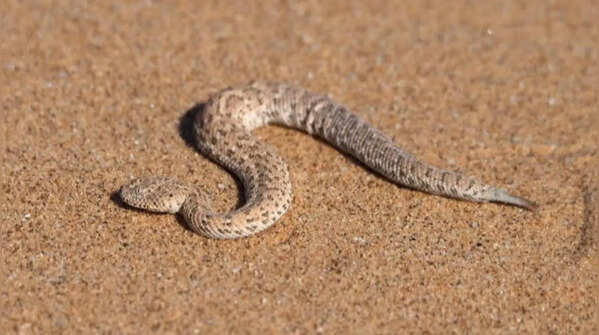
Why desert snakes move sideways and leave mysterious tracks in the sand
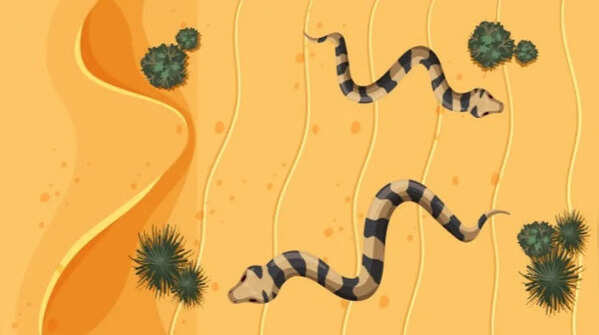
Deserts can be some of the harshest environments due to high temperatures, loose sand, and a lack of shade. Yet despite all these conditions, several snake species have successfully adapted to living in such an area using unique techniques. One of the most interesting animal movements peculiar to desert snakes is the so-called "sidewinding." Rather than moving in the typical snake-like slithering manner, this unique method leaves mysterious J-shaped tracks on desert dunes. Specialists claim this movement style allows snakes to move faster and stay out of direct contact with burning sand. Here are six fascinating facts about why desert snakes move sideways and the science behind their strange tracks.
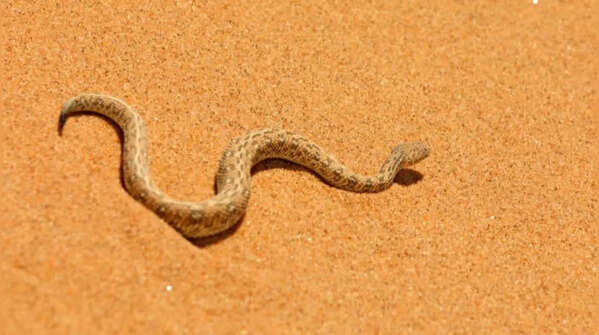
Sidewinder rattlesnake – the snake famous for moving sideways
The sidewinder rattlesnake belongs to some of the snakes famous for moving sideways on sand dunes. As opposed to other types of snakes, this desert species developed a unique type of movement suited to loose ground conditions. In contrast to ordinary slithering, a sidewinding snake throws various sections of its body sideways and moves diagonally through loose sand.
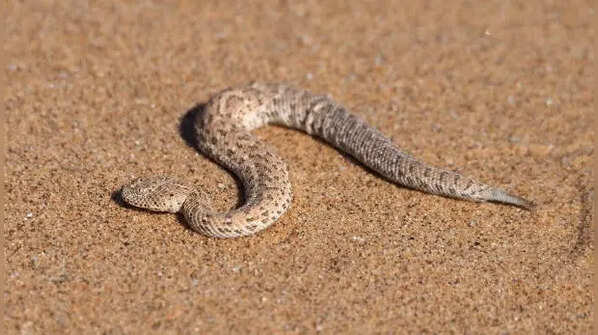
Sidewinding helps minimize contact with hot desert sand
As is known, sand temperature in deserts can be extremely high, becoming even dangerous for reptile species. To avoid direct contact with the burning surface, a sidewinding snake uses the technique of throwing most parts of its body sideways, thereby staying mostly airborne while moving. In such a way, snakes manage to conserve energy and move farther in scorching conditions.
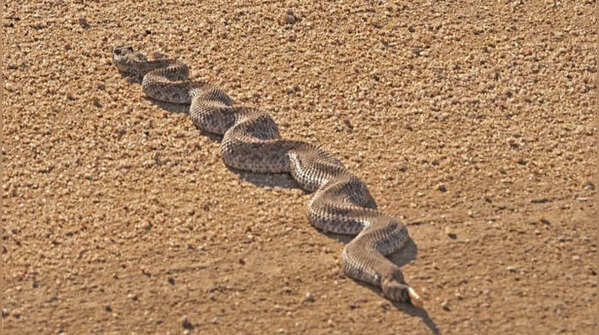
Loose sand complicates ordinary slithering
In contrast to stable soils or rock ground, loose sand does not remain still and may shift under pressure. Thus, when moving with regular body loops, the snake can move backward instead of moving forward. Sidewinding helps to cope with this issue thanks to a different load distribution across the body and improved traction with sandy substrate.
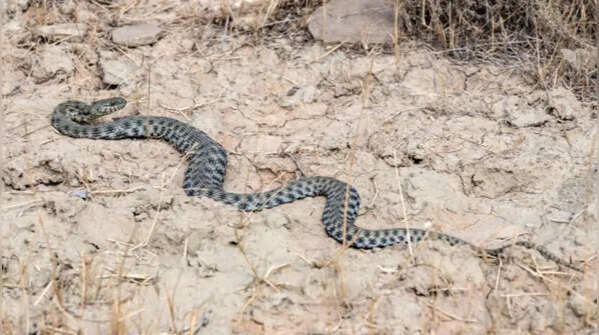
Sidewinding results in mysterious-looking animal tracks
Tracks left by animals are always interesting for wildlife experts and nature lovers. In the case with a sidewinding snake, these tracks appear unusual because they consist of separate loops left on the sand when a snake throws sections of its body sideways. These J-shaped tracks differ significantly from ordinary snake trails left in usual slithering.
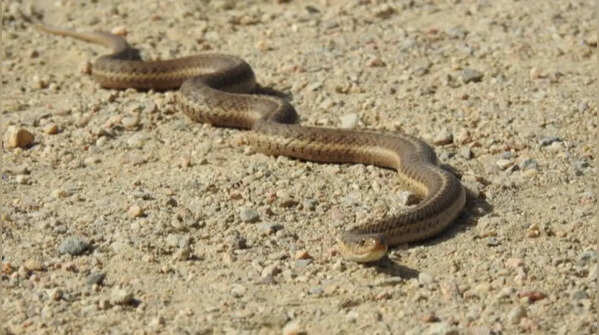
Sidewinding results in mysterious-looking animal tracks
Tracks left by animals are always interesting for wildlife experts and nature lovers. In the case with a sidewinding snake, these tracks appear unusual because they consist of separate loops left on the sand when a snake throws sections of its body sideways. These J-shaped tracks differ significantly from ordinary snake trails left in usual slithering.
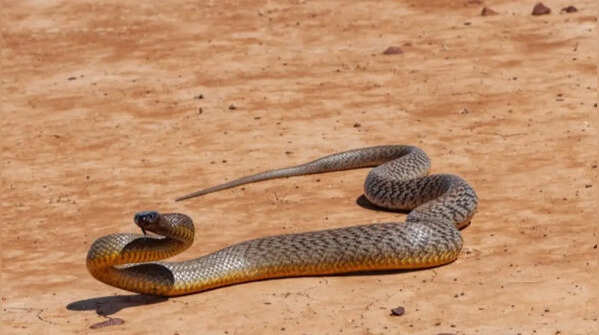
Sidewinding is good for rapid predator evasion
Desert environments offer rather limited options for hiding places, so animals need to be able to run swiftly if necessary. Due to this technique, sidewinding snakes can move relatively quickly in open terrain while keeping a balance. Besides, scientists report that sidewinding snakes can also turn sharply without changing the mode of movement.
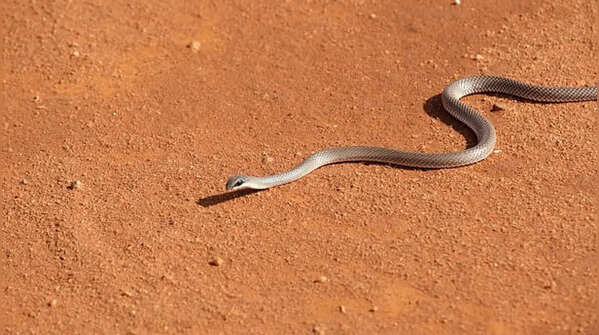
Not all snakes can move this way
Although sidewinding seems interesting, only certain snake species have developed the ability to use this technique. Most snakes have adapted to life in forest areas or grasslands and use slithering as an appropriate mode of movement in such an environment. Sidewinding represents an adaptation of snakes living in sandy areas.
Disclaimer:
This article is for general informational and wildlife awareness purposes only. Snake behavior and movement patterns may vary depending on species, habitat, temperature, and environmental conditions. While sidewinding is commonly associated with certain desert snake species, not all snakes display this behavior. Readers are strongly advised not to approach, handle, or disturb wild snakes in natural habitats. For snake-related concerns or wildlife emergencies, contact local forest departments, wildlife rescue organisations, or trained professionals for safe assistance.
Featured In lifestyle

MORE FROM ETIMES
life & style