
- News
- lifestyle
- home-garden
- What to do if you encounter a bear in the wild: The most common mistakes people make during a bear encounter
What to do if you encounter a bear in the wild: The most common mistakes people make during a bear encounter
What to do if you encounter a bear in the wild: The most common mistakes people make during a bear encounter
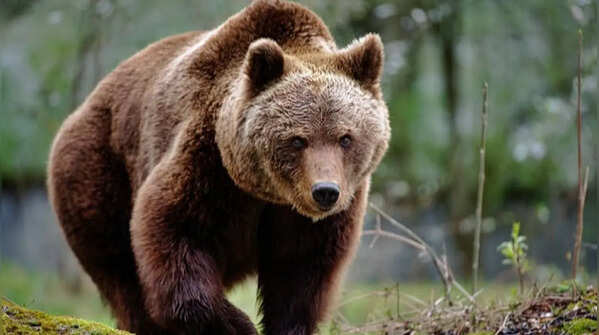
Meeting with a bear in the wilderness might be one of the scariest things ever for hikers, campers, and travellers who explore the forests or mountains. Usually, bears don't want to attack humans, but it's still quite likely that a meeting with a bear might turn into something threatening due to people's uncontrolled reaction to the situation. To avoid the worst outcomes, wildlife specialists say it would be helpful to know how to avoid making several mistakes during an encounter with a bear. Let's take a look at six common mistakes people commit and find out what is the best thing to do instead.
Turning and running away might trigger the chase
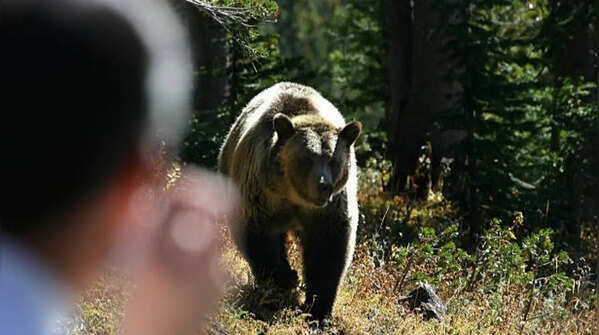
The first and one of the most common things that people do in such situations is simply run away as fast as possible. But keep in mind that bears can be really fast. They may easily start chasing you if they sense any movement around them. Even if the bear didn't seem angry at the very beginning, your running will only worsen the situation. It's recommended to stay as calm as possible and slowly back up.
Yelling, screaming, waving, and throwing things at once
In most cases, people's instinctive reactions in front of a bear are yelling, screaming, waving or even throwing things at them. Such behavior could be appropriate when people are far enough from a bear and should just scare it away. However, doing this in case you are close to each other can lead to the worst outcome since the bear can interpret this behavior as a threat.
Getting close to the bear to take a picture or video
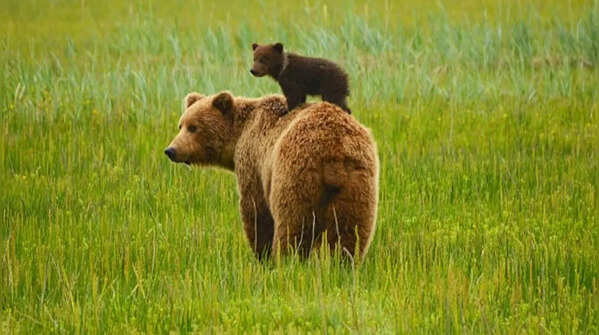
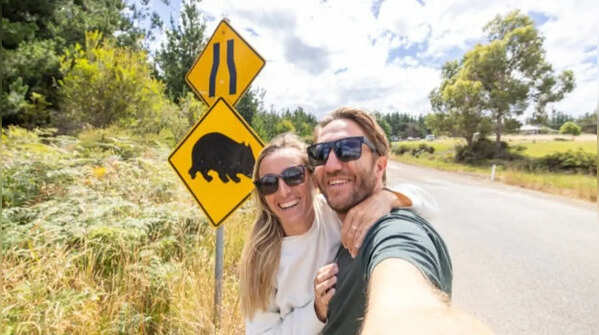
Modern wildlife tourism has created many fans among those who like to take pictures and videos of wild animals. However, such an approach can be extremely dangerous since, although they seem calm from a distance, they are wild predators in the end. Going closer to the bear for the purpose of taking a selfie, photograph, or video is one of the worst things people can do.
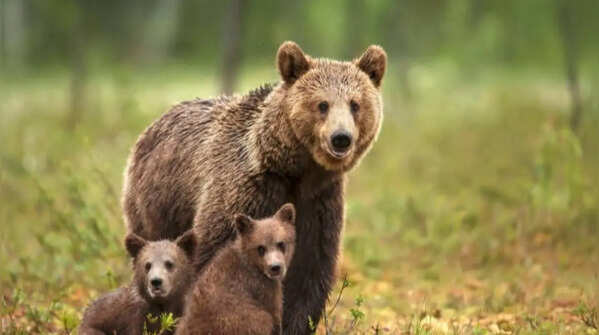
Coming too close to the mother bear and her cubs
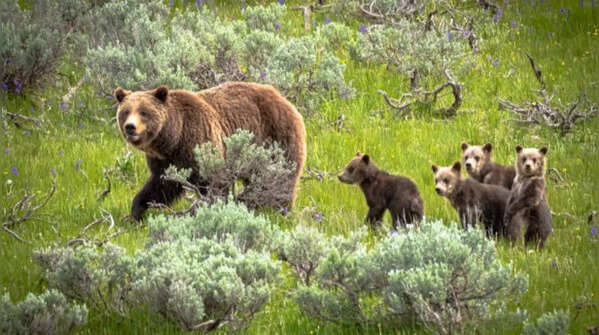
Mother bears protect their cubs by instinct no matter what. That's why getting between a bear and her baby might provoke an attack almost instantly. In case you see the presence of baby bears, it's much safer to quietly retreat from the place and try not to make any movements that might scare them.
Keeping food exposed in a campsite
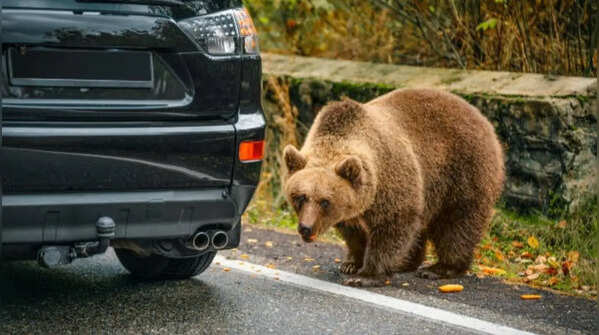
Improper storage of food in campsites is one of the biggest factors that lead to encounters with bears. It attracts them for miles around since the bears use their smell to search for food. Usually, such a meeting occurs when they aren't hungry for meat at all. They just look for an easy way to get something tasty.
Paying no attention to warning signs from a bear
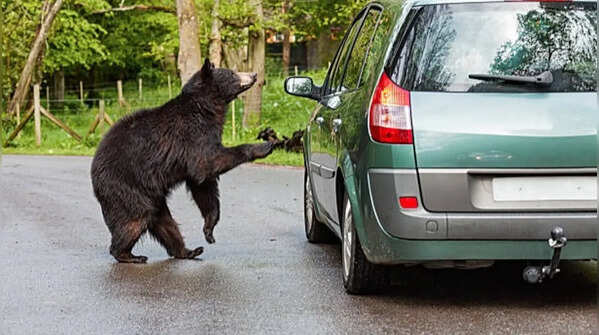
In order to protect themselves, bears try to show some warning behavior that may vary from huffing and growling to jaw popping, paw swipe, and bluff charge. Ignoring these signs and trying to come closer anyway is one of the worst things you can do during an encounter with a bear.
Disclaimer:
This article is for general informational and wildlife awareness purposes only. Bear behaviour can vary depending on species, habitat, season, and the specific situation during an encounter. The safety tips mentioned here are based on commonly recommended wildlife guidelines but may not apply to every scenario. Readers are strongly advised to follow instructions issued by local wildlife authorities, forest departments, and trained professionals when visiting bear habitats or wilderness areas. Never approach, feed, or attempt to interact with wild bears.
Featured In lifestyle

MORE FROM ETIMES
life & style