
- News
- lifestyle
- home-garden
- Best hanging plants for small apartments
Best hanging plants for small apartments
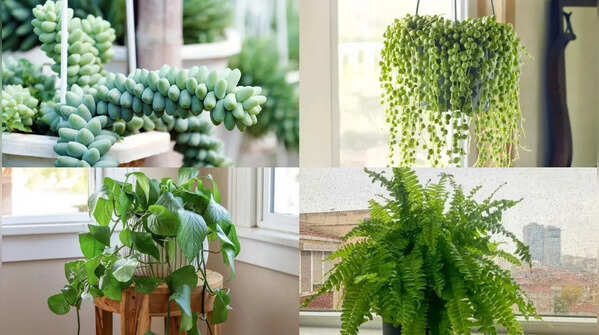
Best hanging plants for small apartments
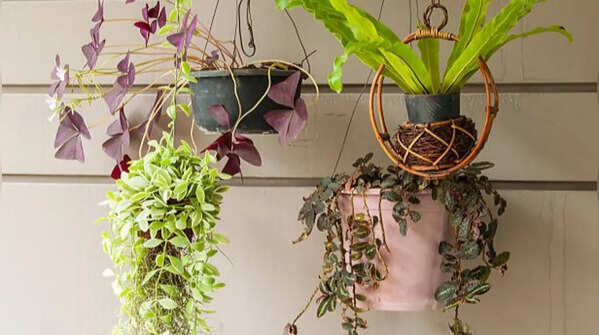
It might be difficult to believe, but there is no need to give up having plants just because you are living in a compact home. Indeed, some plants do a wonderful job by hanging around your apartment and adding life to its interior design. Plants like those can decorate any corner in a house, balcony, or shelf and make it look more cozy and attractive. Some types of plants can grow easily at home, providing plenty of greenery even in rooms with poor natural illumination. In the following slides, we will talk about seven great hanging plants that will be the best match for a small apartment.
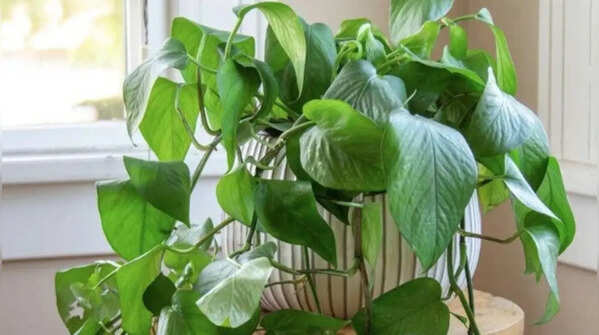
Pothos – an effortless hanging plant for beginners
Pothos is among the best hanging plants for apartments, as they grow incredibly easily and are easy to take care of. Trailing vines with green leaves help decorate any empty corner and bring a natural touch to rooms inside an apartment. Pothos can be easily adjusted to apartment conditions; therefore, they do not require much care.
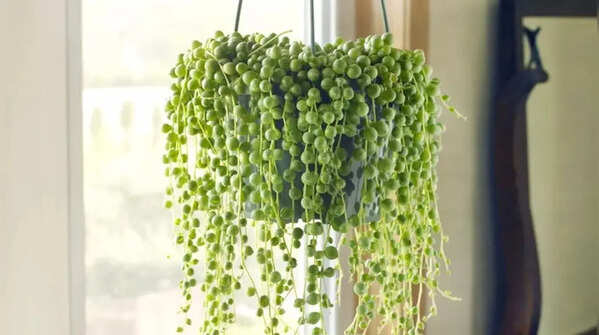
String of pearls – the beauty of green beads
A string of pearls can become a decoration for any small space due to its unique appearance. Tiny, round leaves cascading from hanging pots create the look of green beads decorating your place of living. It is best to have such plants in places where there is abundant sunlight. However, their trailing nature makes them the central element in small apartments.
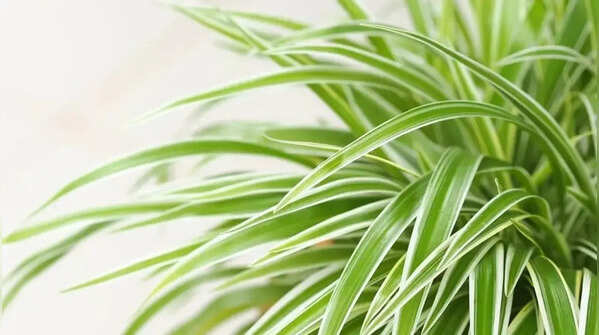
Spider plant – a plant suitable for compact areas
Spider plants are ideal for apartments because of their lightweight leaves. Moreover, spider plants can grow beautifully in the interiors of any apartment due to the production of small offshoots, which make them look better hanging. Their easy growth and low-maintenance make spider plants one of the best hanging plants.
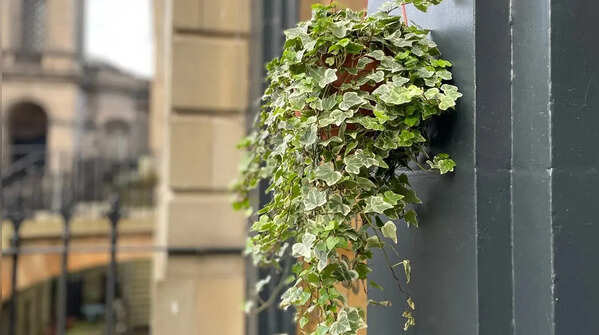
English ivy – a classic choice for hanging gardens
English ivy can be a good choice as it can decorate any corner of your apartment with hanging vines. Such vines make an elegant impression when they naturally hang down shelves and balconies or near windows. Ivy also helps soften any sharp edges and give the impression of a natural landscape within a limited space.
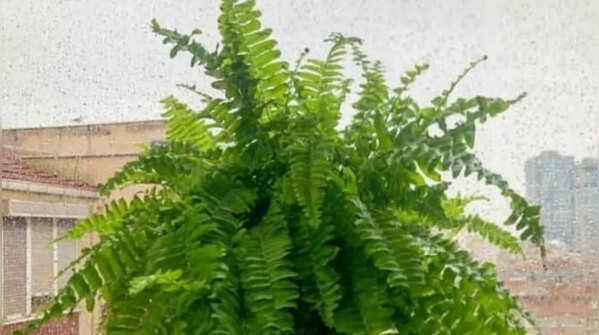
Boston fern – an indoor plant for a fresh look
Boston ferns are known for their lush, soft leaves. Moreover, Boston ferns are very good at hanging down in pots since they occupy less space. Due to the large number of leaves, ferns can decorate the interior with natural elements. The best way to grow ferns is with sufficient humidity and indirect sunlight.
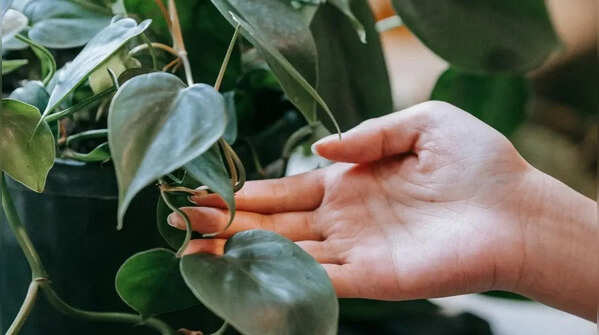
Heartleaf philodendron – elegant and low-maintenance plants
Philodendrons with beautiful, heart-shaped, glossy leaves create a natural appearance and elegant atmosphere in apartments. Philodendrons are perfect for hanging pots and grow well under home conditions. Their soft green foliage creates a comfortable environment that does not require much care.
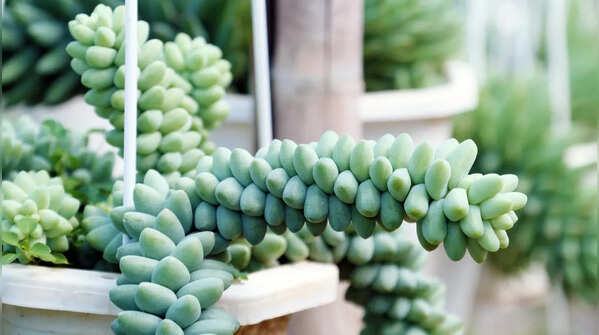
Burro's tail – succulents for sunny places
Burr's tail is a special kind of succulent with thick hanging stems with lots of fleshy leaves. Such a peculiar plant makes an interesting decoration in the apartments of the modern world. Burr's tails love bright sunlight and, therefore, should be kept close to windows.
Disclaimer:
This article is for general informational and lifestyle purposes only. Plant growth, maintenance needs, and indoor suitability may vary depending on apartment conditions such as sunlight, ventilation, humidity, temperature, and available space. Some plants mentioned may also be mildly toxic to pets or children if ingested. Readers are advised to research individual plant care requirements and consult gardening experts or local nurseries before purchasing indoor plants for their homes.
Featured In lifestyle

