
- News
- lifestyle
- home-garden
- Are skinks venomous? How to stop them from entering your home
Are skinks venomous? How to stop them from entering your home
Are skinks venomous? How to stop them from entering your home
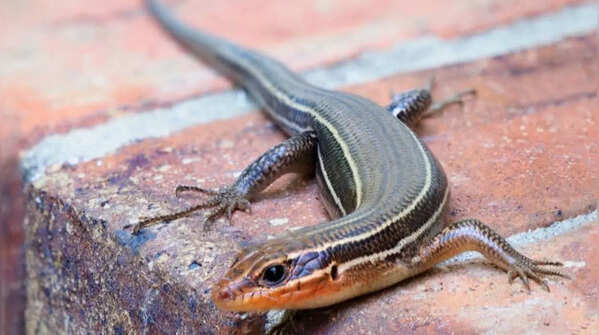
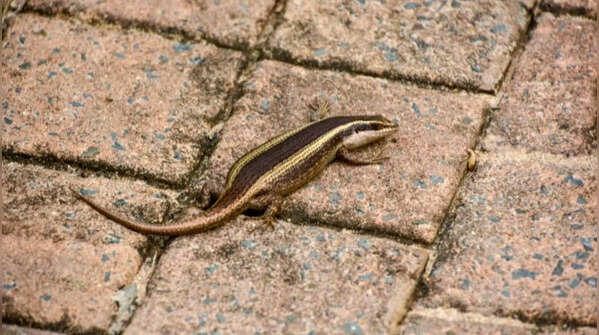
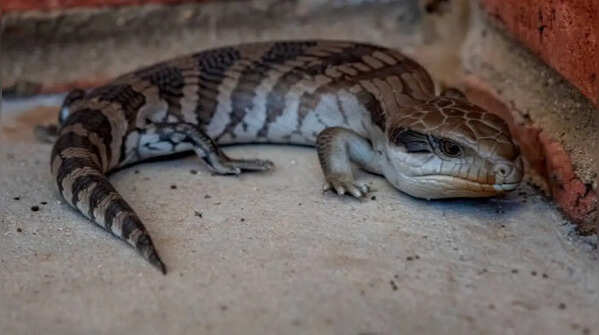
Skinks are small reptiles that resemble snakes in appearance and behavior. Skinks are mostly found in gardens, behind walls, or sometimes even inside houses. The sudden emergence of these reptiles causes concern among humans about their possible danger. In truth, most of the skinks are not poisonous and generally stay away from people. Their main motive to get inside the house includes food, water, or cooler spaces. Knowing why skinks emerge inside homes and the means of preventing them, is essential to dealing with them. The following are five crucial points related to skinks to understand how to prevent them naturally.
Are skinks dangerous to humans?
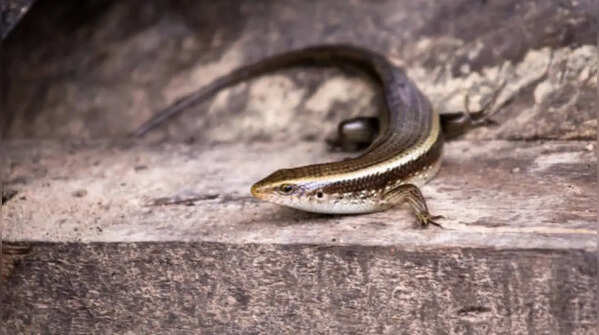
Generally speaking, most of the skinks are harmless to people since they are not venomous at all. In contrast to some snakes, they do not have any toxins that can cause harm to humans. Usually, skinks try to escape from humans instead of fighting. However, if skinks feel threatened, they can bite, but such a bite is harmless to people. For this reason, in some places, skinks are even beneficial, as they eat insects and pests at people's gardens.
What makes skinks invade houses?
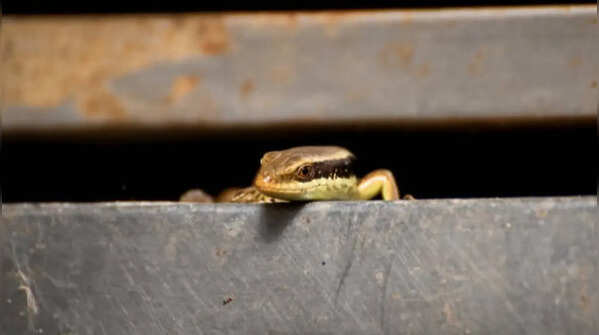
The presence of skinks in homes results more from necessity rather than aggression. Skinks search for warm, moist, insect-rich, and shady places. It is clear that kitchens, bathrooms, garages, and other similar locations may attract skinks to the house. Furthermore, cracks that are near entrances and exits are also suitable for skinks to come into a house. At times, skinks may look for shelter during extreme weather changes, either hot weather or rainfall.
Minimizing insect activities to discourage skinks
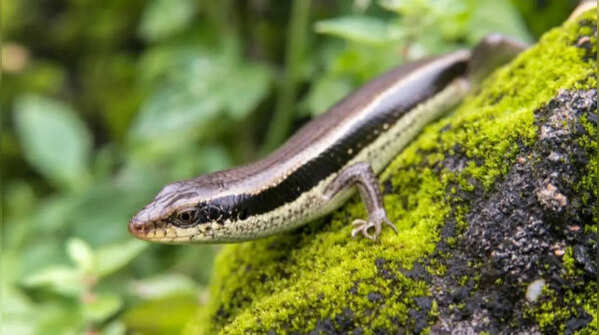
One of the key measures to minimize the presence of skinks includes reducing insect activity around the house. As it has been mentioned above, skinks prey on various kinds of insects like ants, cockroaches, spiders, and termites. It becomes clear that leaving crumbs, moist spaces, and uncleaned garbage attracts both insects and skinks. For this reason, making the house neat prevents skinks from coming closer.
Sealing entry points around the house
Various cracks that can be found near doors and windows, as well as those in pipes and walls, make it easier for skinks to penetrate inside the house. The installation of door sweeps and meshing screens can help to reduce these risks. Even small cracks should be carefully examined to exclude any risk of entry by skinks inside the house.
Preventing clutter and hiding spaces around
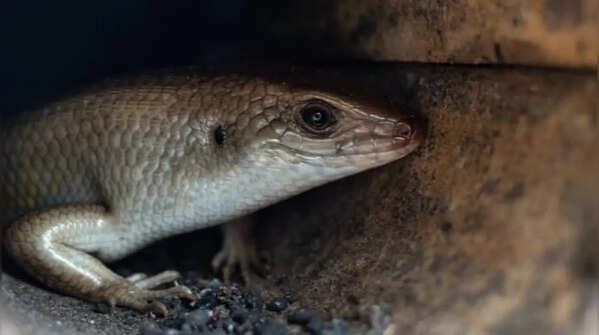
As skinks are shy animals, they need some places where they can hide in order to protect themselves. This means that piles of cardboard boxes, furniture, and stacked wood give opportunities for skinks to hide. Thus, making the environment neat and tidy will make it difficult for skinks to find suitable spaces for hiding both outdoors and indoors.
Disclaimer:
This article is for general informational purposes only. The information shared here about skinks, their behaviour, and home prevention methods is based on commonly observed reptile habits and household pest-control practices. Most skinks are harmless and non-venomous, but species and behaviour may vary depending on region and environment. Readers are advised not to handle wild reptiles directly and to consult wildlife experts or professional pest-control services for persistent concerns or species identification.
Featured In lifestyle

MORE FROM ETIMES
life & style